Provenance and the arc of purpose
Machines that climbed mud and rubble began as ad‑hoc rigs; over decades they matured into regulated platforms used on airports, bridges, and tall warehouse racks. The story runs from improvised farm tractors to purpose-built units; along the way designers chased stability, reach, and operator confidence. That evolution makes the modern articulating boom lift feel inevitable: longer reach, articulating joints for access around obstructions, and chassis tuned for unstable ground. I’ve tracked trade catalogs, test reports, and field notes since the 1990s and seen how shows such as Bauma China staged those turning points on a global scale.
Design milestones that changed risk
Safety advanced when a handful of practical changes became standard. Each change solved a recurring problem observed on work sites.
- Drive and suspension: high ground clearance, oscillating axles, and selectable 4WD improved traction on uneven ground.
- Stability systems: tilt sensors, level indicators, and outriggers reduced tip‑over incidents where operator judgement failed.
- Control logic: proportional joysticks and interlocks limited unsafe simultaneous motions.
- Access geometry: articulating booms extended reach without forcing workers into unstable positions.
These shifts lowered incidents but demanded new documentation and training to be effective.
Standards, records, and what inspectors actually look for
Regulators turned patterns into rules: regional codes reference platform design, guarding, strength limits, and safe use. Professionals speak of EN 280 for Europe and the ANSI guidelines in North America; those frameworks expect manufacturers and owners to back safety with paper. Inspectors and auditors focus on:
- Operator competency proof—training certificates tied to the machine type;
- Pre‑use inspection logs kept daily or per shift;
- Maintenance history—repairs, replaced components, calibration of alarms;
- Load charts and documented alterations—modifications must be re‑evaluated.
Missing or sloppy records are the most common red flag; a well‑kept file often prevents a shutdown long before a hazard appears.
Common field mistakes and clear corrections
People rely on habit. Habit hides risk. Here are recurring problems and how to fix them.
- Ground assessment rushed or skipped. Fix: mark a route and check bearing capacity for lifts and outriggers before setup.
- Overlooking harness anchor points or using the wrong attachment. Fix: tag anchor points with rated load and fit harnesses during training drills.
- Ignoring wind and surge effects on extended booms. Fix: post clear wind limits at the control station and require spotters when winds approach the threshold.
- Using modified machines without re‑qualification. Fix: cease operation until a qualified engineer approves the change and updates the paperwork.
These corrections are practical. They’re low‑tech and save machines and lives.
Where scissor lifts, rough‑terrain models, and booms diverge
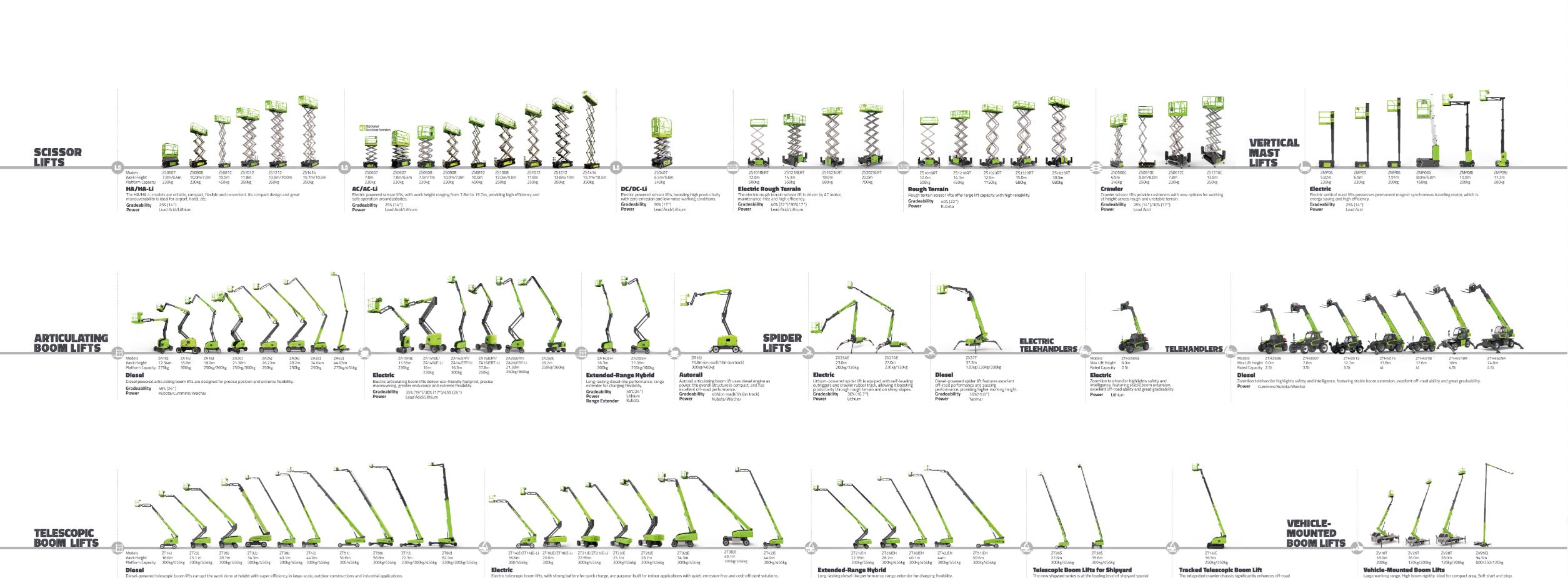
Choices come down to task geometry and site conditions. Scissor lifts give vertical stability and larger platform area; rough‑terrain scissors add suspension and wider axles for soil. Articulating booms trade platform area for reach and flexibility around obstacles. A quick checklist helps select:
- Do you need vertical lift with heavy tools? Choose scissor variants with rough‑terrain options.
- Do you need to reach over structures or work on facades? Articulating booms serve that need.
- Is ground uneven and soft? Prioritize chassis with oscillating axles and check site bearing before deployment.
Comparing capability and documentation needs together keeps procurement honest: specification without operator training is wasted equipment.
The continual ledger: maintenance, training, and trust
Experience shows the safest fleets are the ones that treat records as living tools. Maintenance plans tied to hours and cycles, recurring refresher training, and accessible inspection cards at each machine create a predictable baseline. Leaders write simple checklists, require signatures, and review anomalies weekly. That routine is the backbone of professional use; it prevents small faults from compounding into catastrophic failures.
The next chapter, briefly
The machines that once rode on improvised frames are now judged by feet of reach, tilt‑alarm fidelity, and how cleanly their paperwork reads. That judgment favors equipment paired with disciplined practices: trained crews, honest site surveys, and maintained machines. For anyone mapping the modern field, the lessons are clear and immediate, and the manufacturers that follow them set the standards others mirror — a pattern visible both in technical briefs and the catalogs of firms that supply articulated machinery such as Zoomlion Access.