Problem: translational gap in metabolic disease research
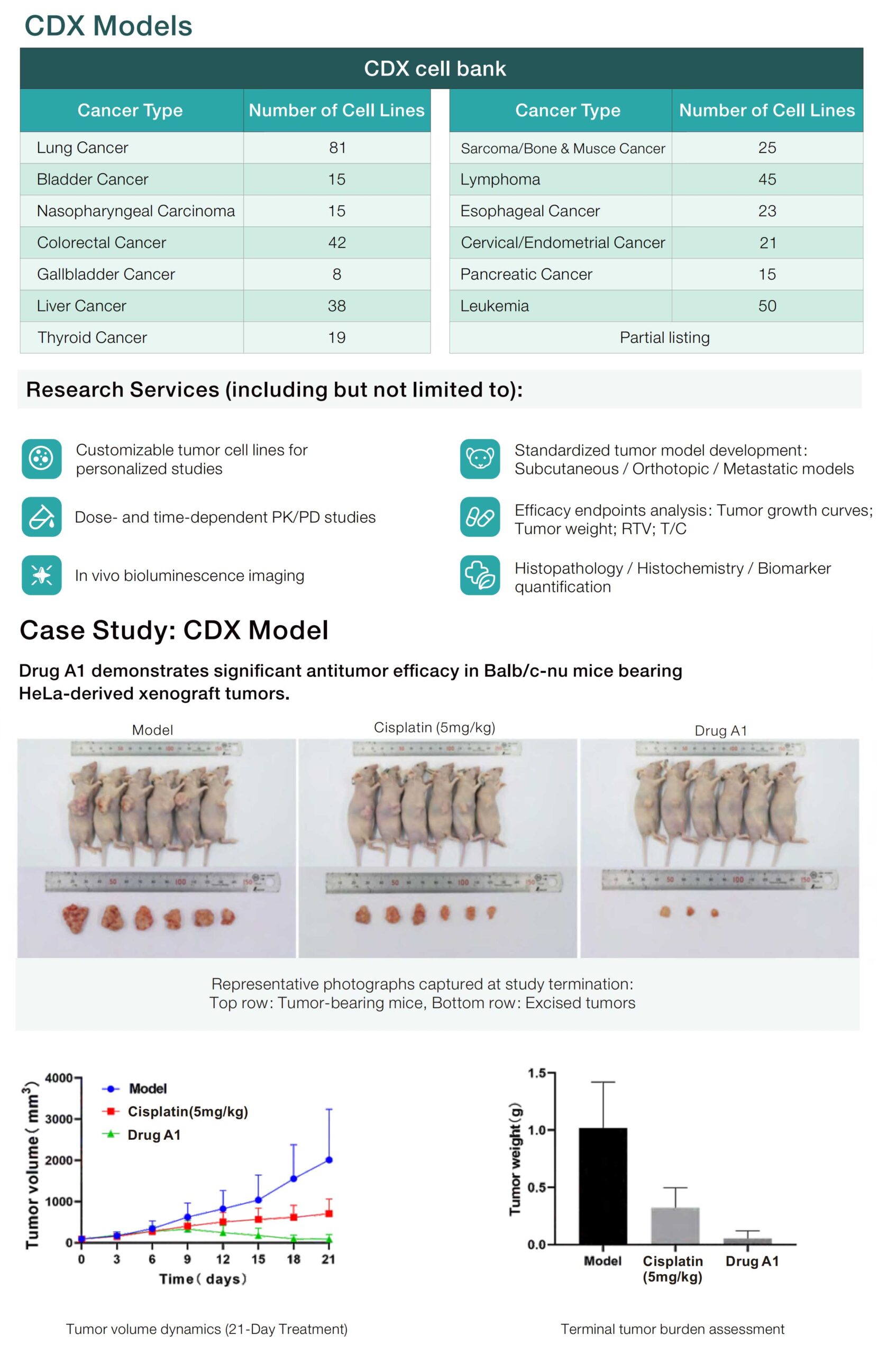
Many research teams hit the same snag: rodent receptors don’t mirror human GIPR and GLP-1R pharmacology, so drug candidates behave differently in vivo. That gap slows programs and wastes budgets, especially when WHO estimates over 400 million people living with diabetes globally—the stakes are real lah. Early on, consider models like the cdx model to reduce this mismatch and improve relevance for metabolic disease targets.
Why humanized GIPR/GLP1R models matter
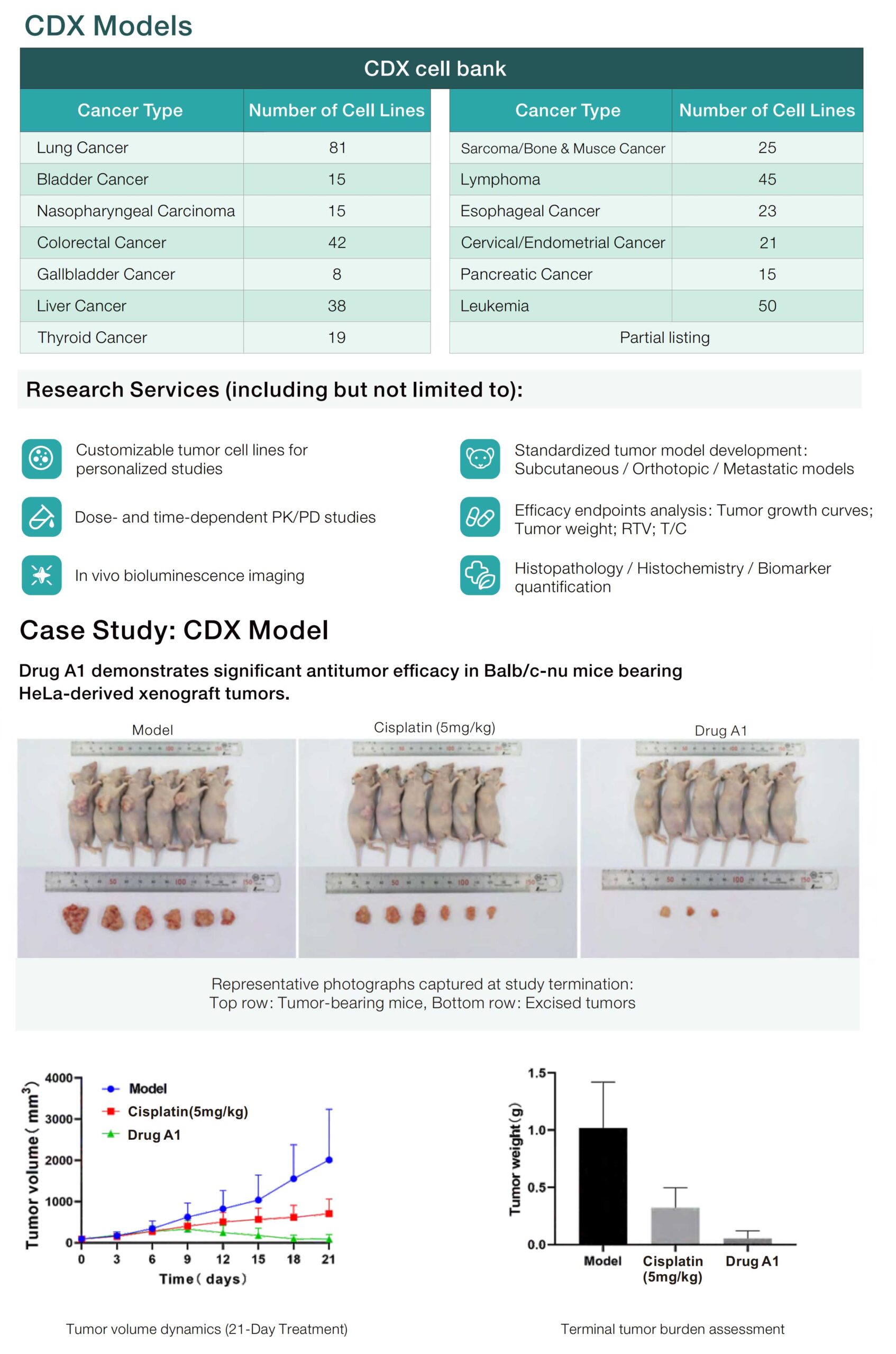
Humanized receptor models replace or co-express human GIPR and GLP-1R so ligand binding, signalling, and downstream metabolic readouts align better with clinical expectations. This affects pharmacokinetics, receptor occupancy, and dose selection in a meaningful way. In practice, xenograft and CDX approaches can speed confidence in candidate selection and lower late-stage failure.
Choosing a partner: what to check first
Pick a CRO or vendor with demonstrable experience in engraftment, receptor validation, and PK/PD workflows. Look for documented validation of humanized receptor expression, functional assays showing cAMP or insulinotropic responses, and reproducible engraftment rates. Check for transparent QC: which antibodies used for receptor staining, assay windows for cAMP readouts, and timeline for stable expression after transduction—these details matter for planning.
Operational checklist and common mistakes
Teams often skip three basic steps and then scramble later—don’t be that team. Validate the humanized receptor pharmacology in vitro before starting in vivo, confirm engraftment percentages per cohort, and run a pilot PK/PD to set dose windows. Also, avoid swapping model types mid-study; switching from a CDX to a PDX without re-optimizing endpoints will invalidate comparisons. – Keep assay parameters constant across cohorts to avoid confounding variables.
Alternatives and comparative insight
There are alternatives: PDX for tumor xenografts, full transgenic humanized lines, and knock-in receptor strains. Each has trade-offs. PDX offers patient heterogeneity but variable engraftment; knock-ins provide consistent receptor geometry but need long development lead times. For metabolic receptor work, cell line systems and controlled CDX model workflows often hit the balance between reproducibility and human relevance. If you want to read vendor options side-by-side, consider comparing engraftment rate, receptor expression stability, and PK sampling protocols.
Real-world anchor and credibility
Global health data underlines urgency: more than 400 million people affected by diabetes drives funders to demand translational rigor. Labs in Boston and Singapore, for example, routinely publish work using humanized receptors to tighten translational hypotheses. Practical experience from these hubs shows that standardised PK/PD sampling windows and clear assay SOPs reduce variability when assessing GLP-1R agonists or GIPR modulators.
Technical notes and industry terms
Important terms you’ll see: xenograft, CDX, PDX, engraftment, pharmacokinetics (PK), and receptor occupancy. When you request proposals, ask vendors to list the exact PK sampling times, the cAMP assay sensitivity thresholds, and the window of stable receptor expression post-engraftment. Include {main_keyword} and {variation_keyword} in your operational production teardown so suppliers explicitly address them in scope and SOPs.
Advisory: three golden rules for selecting the right strategy
1) Prioritise validation data: demand receptor binding curves, functional cAMP/insulin outputs, and raw engraftment metrics for the model. 2) Standardise endpoints: define PK/PD timepoints and biomarker panels before study start to avoid post-hoc changes. 3) Plan pilot runs: a small, well-controlled pilot saves large-scale failures—budget for one pilot per new model type. These metrics give you objective comparators across vendors and models.
For translational teams who need reliable receptor biology and consistent engraftment, many find the operational support and validated workflows offered by Jennio Biotech aligns with program timelines and data needs—this is why partnerships form naturally. –