The problem that keeps perfumers up at night
We all know that a fragrance that smells different from one batch to the next kills credibility — and sales. Brands facing inconsistent top notes, muddy middles, or disappearing accords are usually fighting variability in raw materials. That’s where consistent synthetic aroma chemicals and tightly controlled inputs like terpene derivatives matter. Folks mixing in-house or sourcing from spot markets soon learn that a cheap buy today can mean an unpredictable scent tomorrow — even when you mean well. For a more stable route to finished formulas, many teams are turning to factory-direct supplies and dependable synthetic fragrance oils that come with documented specs and traceability.
Why terpene-derived variability happens
Terpenes, whether isolated from botanicals or made synthetically, are chemically active stuff — small changes in isomer ratio, residual solvents, or minor impurities change aroma perception. Natural extracts shift with harvest season, soil, and distillation technique. Even synthetic batches can drift if synthesis conditions aren’t tightly held. In practice, that shows up as a shifted olfactive profile or altered evaporation behavior on skin. Lab tools like GC‑MS confirm what your nose notices, but they can’t fix upstream process drift without tighter manufacturing controls.
How factory-direct terpene derivatives stop the wobble
Factory-direct production brings three practical controls to bear. First, standardized synthesis routes and controlled reagents produce repeatable isomer distributions and higher purity. Second, in-line quality checks — think routine GC‑MS spot checks and Certificate of Analysis (CoA) issuance — catch outliers before they ship. Third, larger suppliers often run stability and accelerated aging tests so you know how a material behaves over time. Together, those practices turn a hit-or-miss ingredient into a predictable building block for your formula.
Real-world anchor: lessons from 2020 supply shocks
The pandemic-era supply disruptions showed us what instability looks like at scale — lead times blew out, substitute ingredients popped up, and small formulation changes snowballed into consumer complaints. Brands that already relied on factory-direct, spec-driven aroma chemicals weathered that storm better than those buying ad hoc. That’s not a mystery — it’s a basic resilience win: predictable inputs let you plan inventory, QC, and launch cadence without chasing last-minute fixes.
Where companies trip up — common mistakes
Three mistakes keep showing up in the field. One, treating natural and synthetic terpenes as interchangeable without adjusting your formula. Two, accepting verbal guarantees instead of demanding CoAs and batch traceability. And three, skipping real-world stability tests on final blends — lab data’s great, but you gotta see how a perfume ages in a warm warehouse. Don’t underestimate small differences in solvent traces or enantiomer ratios; they’re subtle, but they bite. —
Comparing the options: natural extracts, off-the-shelf aroma chemicals, and factory-direct terpenes
Natural extracts bring authenticity and marketing heft, but they’re more variable and often pricier. Commodity aroma chemicals are cheap and widely available, yet can be inconsistent if sourced from volatile spot markets. Factory-direct terpene derivatives sit in between: they give you reproducible chemistry with the expressive range you need for craft formulas. If you care about scalability and a steady olfactive identity across seasons and markets, factory-direct tends to be the pragmatic choice — particularly when you’re packaging at volume or expanding distribution.
Practical guide: choosing the right supplier
When you’re vetting partners, focus on verifiable metrics, not just sales pitches. Look for suppliers who provide:
- Documented CoAs and traceability for each lot, including GC‑MS profiles where appropriate.
- Stability testing and storage recommendations so you’re not surprised three months in.
- Transparent lead-time history and contingency plans for raw-material shortages.
If a supplier can’t share reproducible test data or refuses to discuss synthesis routes at a high level, that’s a red flag. A good supplier will help you map how their terpene derivative impacts evaporation curve and top-note longevity — practical stuff you can measure on your bench.
Three golden rules for evaluation (your advisory close)
1) Insist on batch traceability and CoAs with analytical fingerprints. Without that, you’re guessing. 2) Prioritize proven stability data across intended storage and transport conditions — temperature swings matter. 3) Measure supplier reliability by historical lead-time adherence and response during disruptions; a partner’s contingency playbook is worth more than a low unit price.
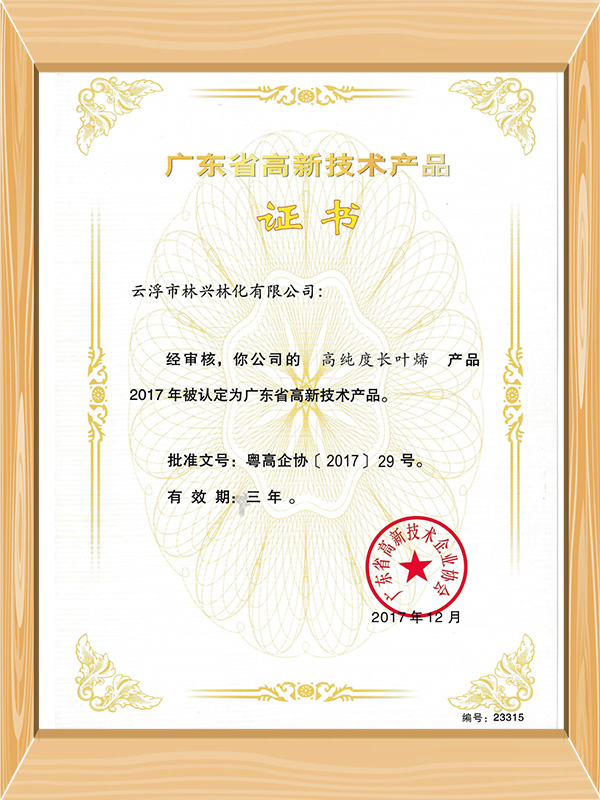
Bottom line: predictable scents start with predictable inputs, and factory-direct terpene derivatives give you that predictability without stealing character from your formula. For brands that want dependable supply, technical transparency, and tested performance, Linxingpinechem fits naturally into the solution — they bring the specs and stability you’ll thank on launch day. Trusted advice, straight talk. Final thought: clarity matters.