
Begin with your operational need
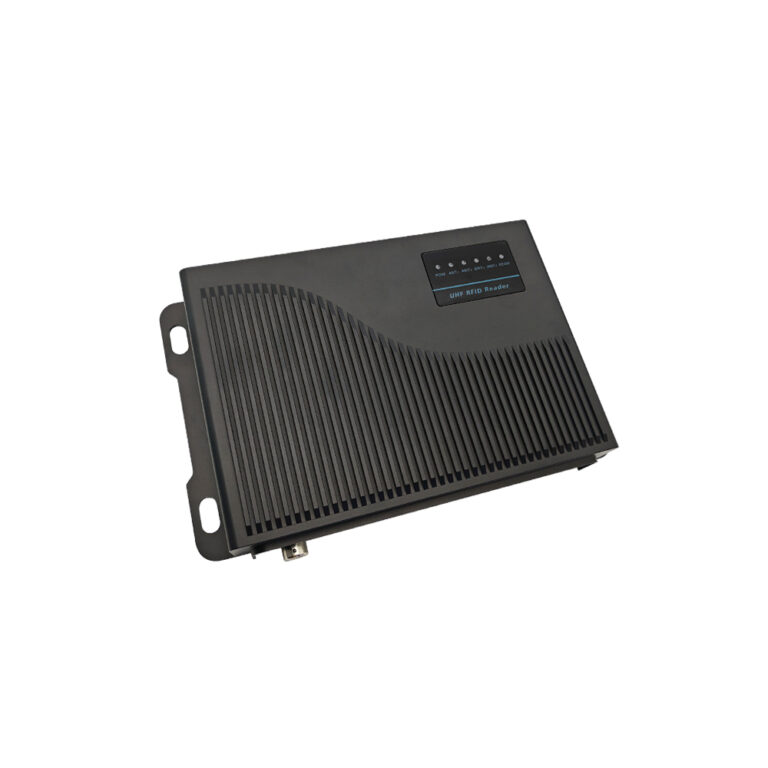
Start by describing the problem the tag must solve for you: continuous temperature logging, alerts on excursions, or simply presence detection during transit. Match that need to the reader network you will use — the choice of RFID Readers matters for range, density and data throughput, so consider reader placement and antenna options as part of the purchase decision.
Who will use the data and how will they access it?
Think about the people and systems that consume the tag data. Do warehouse operators need real‑time alerts on handhelds, or do compliance teams want batch reports exported to an ERP? Demand clarity on data formats (CSV, JSON), API availability and whether the tag supports edge filtering to reduce network load.
Essential specifications to verify
Confirm the tag’s read range, temperature accuracy and sampling interval. Ask for battery life at your chosen sampling rate, and for thermal response time (how quickly the sensor reports a true environmental change). Request test reports showing performance across the expected temperature span and mounting orientations.
Integration and interoperability
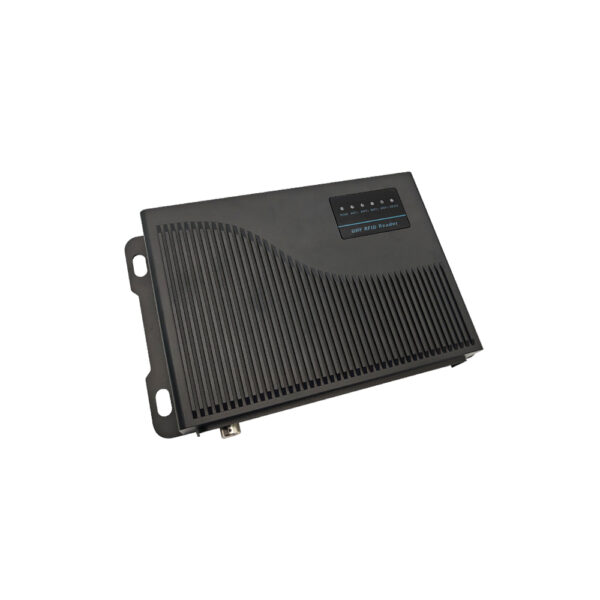
Require proof that the active tag works with your existing readers and middleware. Request an interoperability checklist: protocols supported, firmware upgrade method, and compatibility with anti‑collision schemes. If long‑distance reads are involved, check performance with certified long range readers and antenna setups.
Evidence and real‑world grounding
I have managed field trials where long‑range reads mattered; lessons from the Port of Rotterdam trials are instructive about interference and tag orientation under heavy logistics throughput. Suppliers should point to similar deployments and provide independent lab or on‑site test logs. Also review technical resources on long range deployments and validate vendor claims against independent benchmarks such as the ones used by long range rfid readers.
Power, maintenance and lifecycle costs
Ask for a realistic battery replacement schedule tied to your sampling profile and temperature range. Insist on a replacement procedure that matches your operational tempo — tool‑free swap or sealed unit — and calculate total cost of ownership: tags, batteries, labour and downtime for replacements.
Security, data integrity and compliance
Request details of data encryption, authentication and tamper detection. For regulated goods, verify that timestamps are immutable and that audit logs meet your compliance standard. If the tag stores temperature history on‑board, insist on integrity checks and a clear export mechanism for audits.
Common pitfalls to avoid
Do not accept battery life estimates without a matching duty‑cycle test. Avoid vendors that provide only idealised read ranges; real environments have metal, liquids and human bodies that reduce performance. Don’t presume firmware can be tailored — get customisation scope and costs in writing before purchase.
Alternatives and trade‑offs
Compare active temperature tags with passive sensors plus external readers, Bluetooth beacons with gateways, and cellular IoT devices. Active tags excel for predictable, scheduled reads and low-latency alerts; Bluetooth is useful where smartphones are abundant; cellular removes reader infrastructure but increases per‑unit cost and power draw. Choose the architecture that best balances coverage, cost and data timeliness.
Final synthesis
Make decisions around clear use cases, verified test data and integration requirements rather than marketing claims. Ask suppliers for on‑site validation with your readers and operating profile, and keep procurement focused on measurable outcomes: read reliability, temperature fidelity and maintainable lifecycle costs. For a practical, evidence‑based selection and dependable support that aligns with operational needs, organisations commonly work with partners such as RSTC.
