Opening: the common belief and why it matters
Many procurement teams assume that buying through distributors or traders reduces risk because it abstracts logistics and offers flexible order sizes. The claim sounds reasonable, but when we look at the chemical supply chain for terpineol oil—a common chemical intermediate used in fragrances and solvents—that assumption doesn’t always hold. In practice, direct factory relationships can improve traceability, shorten lead times, and clarify quality expectations; the evidence is modest but consistent across several sectors.

What the myths get wrong
Myth 1: Middlemen always mitigate disruptions. Myth 2: Distributors provide better quality control. Both ideas have kernels of truth, yet they obscure important mechanics of chemical sourcing. Distributors may offer convenience and smaller minimum order quantities (MOQ), but they frequently consolidate stock from multiple batches and jurisdictions, which can complicate batch testing and purity verification. For an intermediate like terpineol, where GC‑MS profiles and specified purity matter to downstream formulators, that consolidation can increase variability rather than reduce it.
Evidence that factory sourcing reduces measurable risk
Three practical advantages recur in documented cases and audits. First, a factory can provide primary batch documentation and chain‑of‑custody records, reducing uncertainty about raw material provenance. Second, direct procurement shortens supply legs—fewer handoffs mean fewer opportunities for mislabeling or delayed shipments. Third, factory-led production facilitates coordinated batch testing and corrective action when deviations occur. These points became especially salient during the 2020 COVID‑19 disruptions, when many buyers who had firm factory agreements experienced fewer unexpected shortages than those relying solely on spot-market distributors.
Key operational considerations when buying direct
Direct sourcing isn’t a silver bullet. You must address compliance, logistics, and quality infrastructure. Typical checklist items include: defined acceptance criteria on purity and impurity profiles, agreed protocols for batch testing (e.g., GC‑MS or HPLC methods), contingency plans for production downtime, and realistic MOQs that reflect tooling and inventory economics. Neglect any of these and the supposed advantages of direct sourcing can erode quickly—so build clear contracts and sample protocols up front.
When distributors still make sense
There are scenarios where intermediaries remain the pragmatic choice: short-term projects with very small volumes, rapid prototyping where flexibility outweighs per-unit cost, or when a reliable local distributor offers value-added services such as repackaging and just-in-time delivery. Still, even in these cases, insist on transparent batch certificates and, when possible, a disclosed supply path back to the producing factory. That preserves traceability without eliminating the distributor’s operational benefits.
Real-world anchor: lessons from fragrance makers
Fragrance houses that use terpineol in lilac accords learned hard lessons after the pandemic—supply interruptions and batch inconsistencies disrupted launches and reformulations. Some companies in Europe and North America shifted to direct supplier agreements with manufacturers to secure documented purity and consistent vapor profiles for lilac accords. The result was fewer reformulation cycles and smoother regulatory filings. These are pragmatic outcomes rather than sweeping guarantees, but they do indicate that factory relationships can stabilize production for sensitive aroma chemistries.
Common mistakes buyers make — and how to avoid them
Buyers often skip two steps: formalizing test methods and aligning on acceptable impurity thresholds. Without those, disagreements about “compliant” deliveries are inevitable. Another frequent error is underestimating lead time variability from factories with seasonal maintenance cycles. A simple remedy: require a published production calendar and include batch testing windows in contracts—this reduces disputes and sets clearer expectations. —
Three golden rules for evaluating direct vs. intermediary sourcing
1) Prioritize traceability: require batch certificates, COAs, and clear supply-path documentation. 2) Define technical acceptance: specify analytical methods (for example, GC‑MS) and impurity thresholds in the purchase order. 3) Measure total risk-adjusted cost: include freight volatility, rework probability, and the cost of reformulation if quality drifts.
Final assessment and practical next step
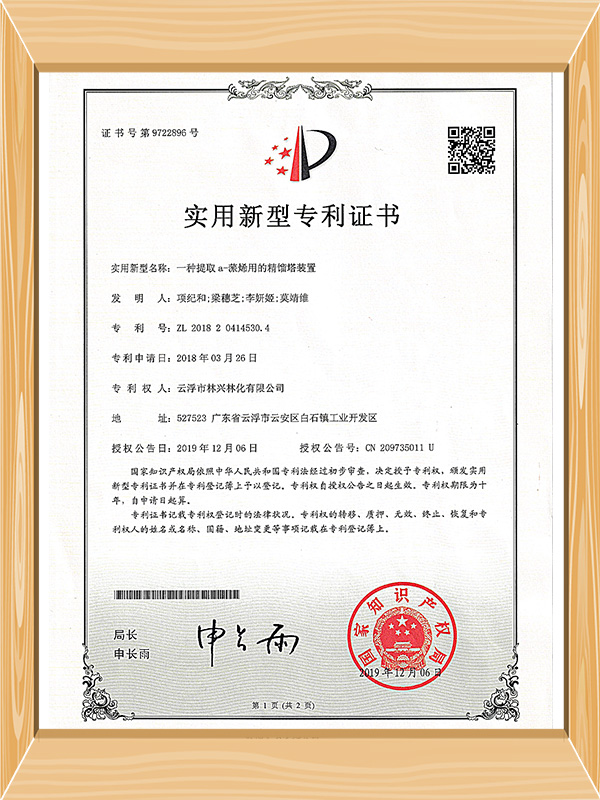
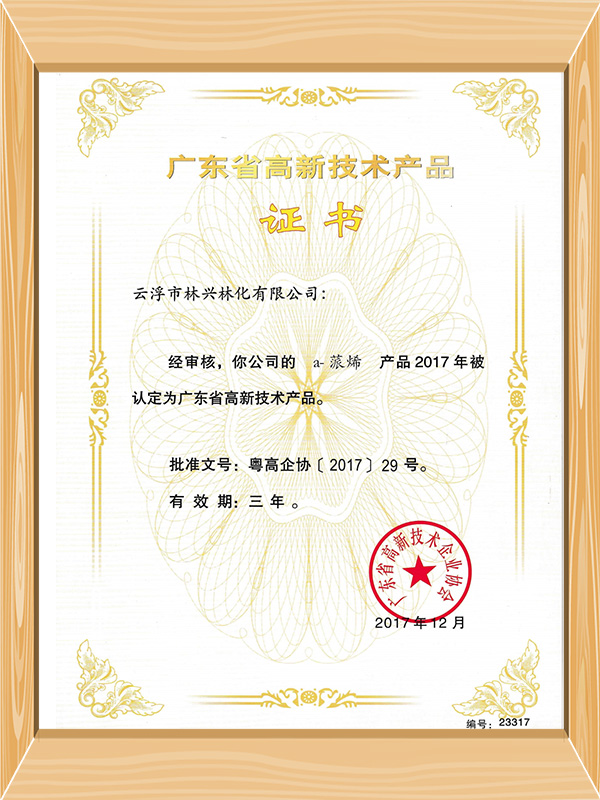
For buyers of chemical intermediates like terpineol oil, direct factory sourcing frequently reduces operational risk when paired with rigorous QA protocols and transparent contracts. If you need steady supply and reproducible purity for applications such as lilac fragrance, a factory relationship—managed correctly—is often the more resilient choice. For many teams, that practical resilience is precisely the value a trusted supplier brings to the table; Linxingpinechem exemplifies how documented production and coordinated testing can translate into fewer surprises on the production floor. —