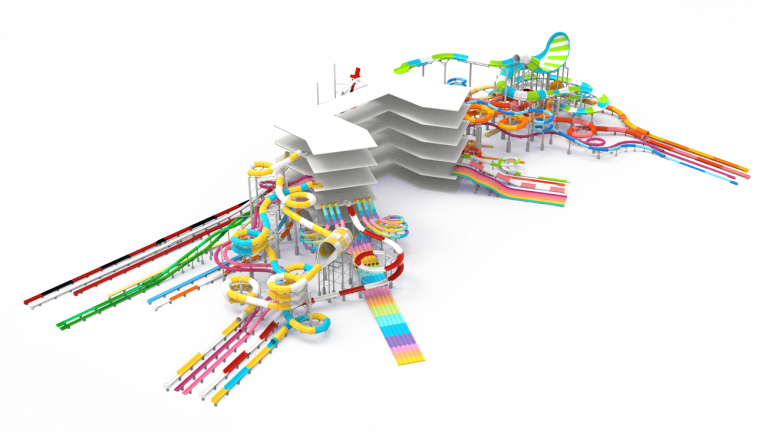
The core problem and a seasoned view
I’ve watched more than one good project falter after handover because operators underestimated post‑installation downtime and maintenance needs. The immediate trouble is the same whether you’ve fitted a looping tower or a family-friendly rainbow water slide: alignment errors, poor drainage, or incompatible pumps stall operations fast. Over the years I learned to tie design choices to maintenance realities for every type of rider and every set of types of water slides in a park’s roster, and that practical link saves time and money.
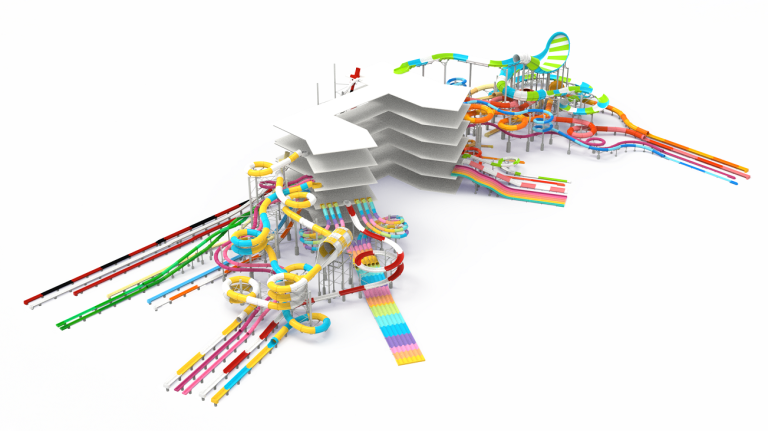
Why installations go idle: common mechanical and operational causes
Most downtime traces to a handful of issues: gelcoat delamination from improper curing, clogged drainage manifolds that cause water pooling, and loose flange bolts in joints. A neglected water recirculation pump will take a ride system offline faster than signage wear. These are not exotic failures; they’re predictable if you run a checklist and treat them as part of the installation plan.
Design choices that cut maintenance at the source
Buy materials that simplify routine care. Opt for UV‑stable gelcoat formulations, reinforced structural support around high‑load bends, and modular slide sections with quick‑release couplings. Modules let teams replace a single damaged segment instead of dismantling an entire run. Anti‑slip surfacing applied to walkways and launch platforms reduces incidental damage from foot traffic and helps preserve seals and fasteners.
Installation practices that prevent later headaches
Insist on torque‑spec records for every bolt and use corrosion‑resistant hardware in coastal parks. Set up temporary commissioning schedules that mirror peak seasonal loading; that forces early identification of alignment drift or pump cavitation. Leave a handover log with serial numbers and maintenance intervals for each pump and sensor—this single document alone cuts diagnostic time substantially at season start.
Operations and small habits that lengthen uptime
Train staff to perform a 15‑minute round each morning: check the drainage manifold, clear leaf traps, confirm chemical dosing, and listen for odd bearings in return lines. Minor routine items are cheap insurance. Maintain a simple spares kit: common flange gaskets, a spare impeller for the recirculation pump, and patch resin for touchups. It’s astonishing how often a single gasket gets a park back online before a vendor arrives.
Common mistakes operators keep making — and how to avoid them
They omit load testing, skip season‑end preservations, or treat all slides the same regardless of traffic. A high‑throughput racer needs different maintenance than a slow family slide; molding tolerances and wear patterns vary. I once saw a municipal retrofit where crews treated every run identically — staffing and spare parts were wrong for peak days. The result was needless closures for adjustments — an avoidable expense.
Quick alternatives and retrofit tactics
When replacement isn’t feasible, targeted retrofits work well: add external access panels to long enclosures, install inspection ports at low points in the flow, or fit a secondary bypass for filtration during repairs. These are lower‑cost than full replacement and can be staged outside peak season. In parks near major attractions like Six Flags Hurricane Harbor, even short closures have disproportionate revenue impact, so staged fixes win.
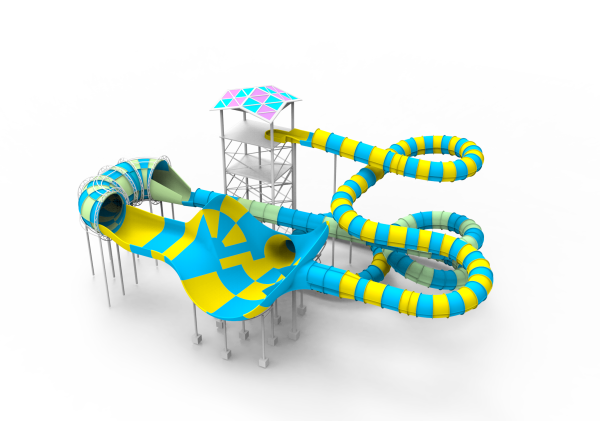
Three golden rules to evaluate readiness and ongoing cost
1) Mean Time to Restore (MTTR): record how long routine fixes take and aim to halve that with spares and staff training. 2) Parts Availability Index: track percentage of failures resolved with on‑site spares; keep it above 80% for high‑use runs. 3) Seasonal Resilience Score: combine preventive maintenance completion rate, inspection pass rate, and documented commissioning tests into a single monthly metric—use it to greenlight opening days.
These rules give clear, measurable targets anyone can use during procurement and handover — and they point directly at better choices for materials, spare strategy, and staffing. I’ve seen the difference in municipal parks and commercial operations: small investments up front cut costly closures later, and that’s where Dalang consistently adds value — Dalang. —