The problem on the shop floor
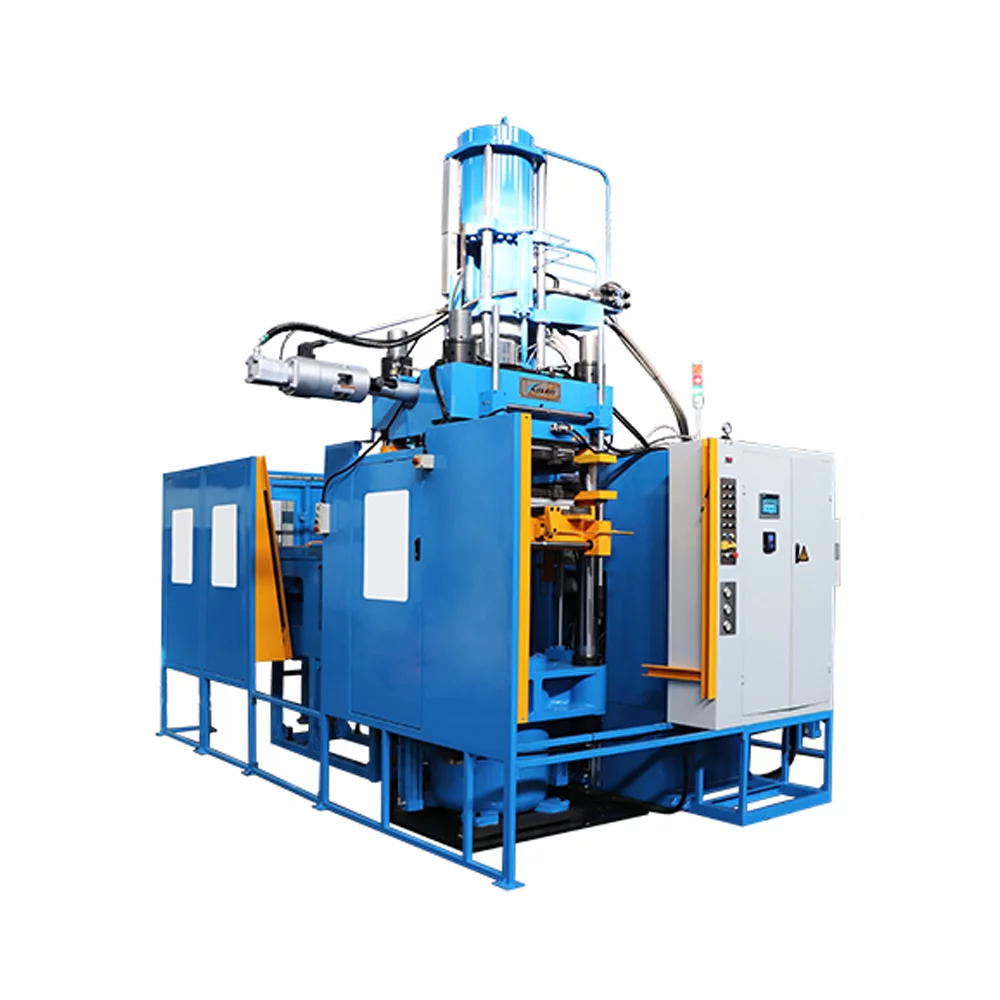
Shop managers know this scene: parts coming off the press with thin burrs, inconsistent weight, and a pile of scraps growing by the shift — a slow leak in margins triggered by mold flash and overuse of compound. That’s why teams are looking at a vertical rubber injection molding machine as more than a replacement press; it’s a tool for process stability. Older hydraulic presses often struggle with repeatable shot size and cavity balance, so scrap and rework quietly eat profit.
Why active cavity pressure control matters
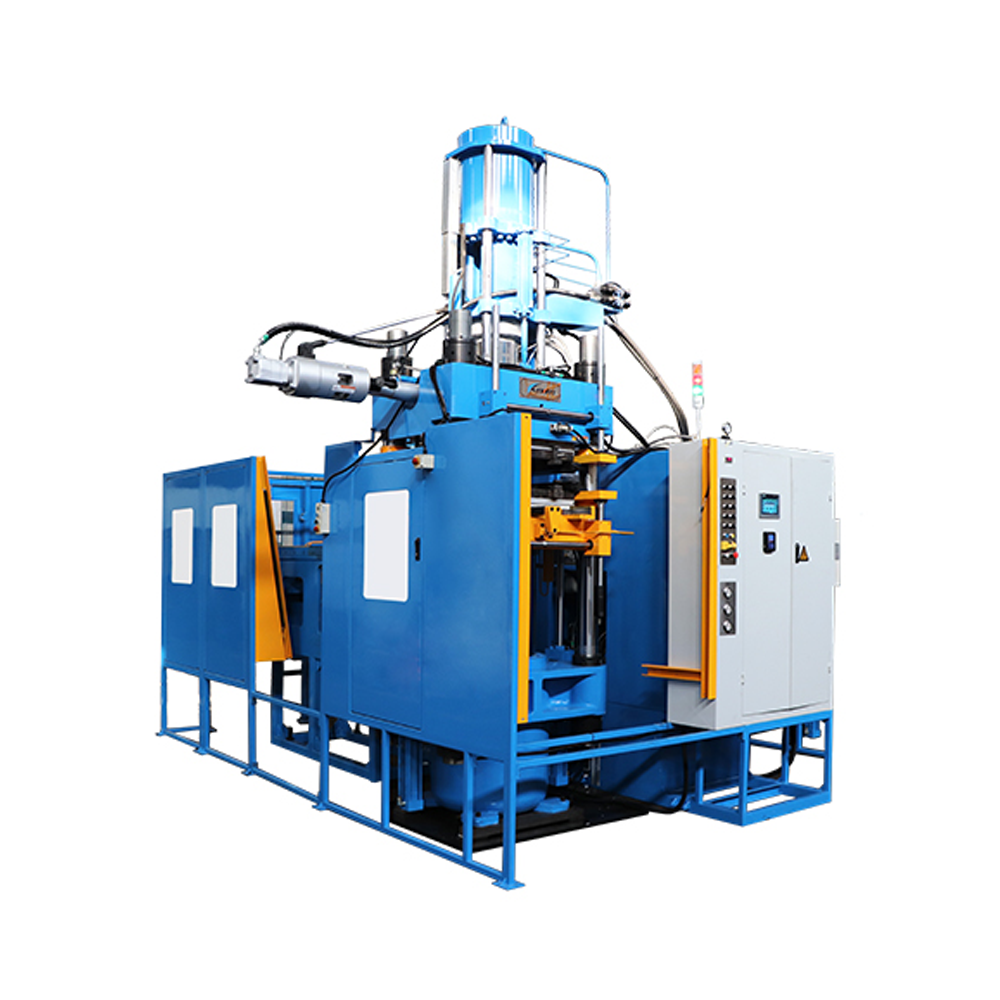
Active cavity pressure control gives you a direct read on what’s actually happening inside the mold during cure. Instead of guessing pack time or relying solely on clamp force, the system reacts to measured pressure in the cavity to end a shot precisely when target pressure—and, therefore, final part density—is reached. That reduces mold flash, stabilizes shot-to-shot variability, and shortens cycle time swings. Industry terms to note: cavity pressure control, clamp unit, and shot size.
Real-world anchors: who’s seeing gains
Automotive seal suppliers around Detroit and component shops in Shenzhen reported fewer rejects after adding cavity sensors and closed-loop control. It’s a common finding across rubber molding: when you control cavity pressure you control final part consistency. Scrap rates that were once several percent of output drop, and material usage becomes predictable. These results aren’t theory — they reflect what production teams actually measure on the line.
What to check when evaluating machines
When a production manager starts comparing options, the checklist should be short and practical. Look for a hydraulic system with stable, proportional control so you don’t get pressure overshoot. Confirm the machine’s ability to log cavity pressure curves and correlate them with part weight. Check clamping speed and platen rigidity — they affect flash directly. Also verify cycle time performance under realistic molds, not just empty-platen specs.
Alternatives and trade-offs
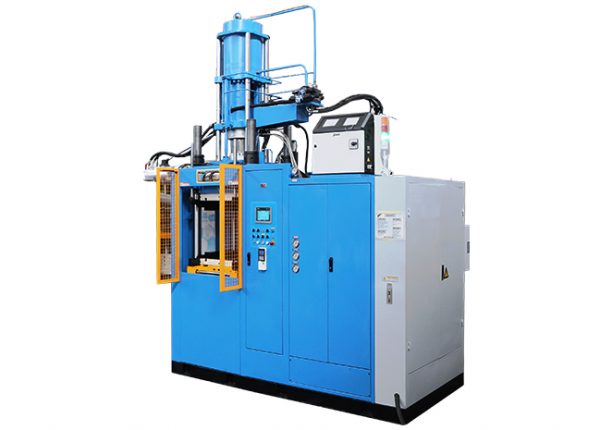
Electric presses offer speed and lower energy draw, and they make sense for smaller parts or where precision servo motion is critical. But for many medium-to-large rubber parts, a hydraulic automatic rubber moulder with robust cavity pressure control brings better force capacity and damping for heavy compression. If your molds need high clamp tonnage or you run thermally demanding compounds, hydraulics often win — though they can consume more power and require routine hydraulic maintenance.
Common mistakes teams make
First: adding cavity sensors without a plan. Sensors give data, but you need procedures to act on alarms and trends. Second: assuming one pressure profile fits all parts; each geometry needs its own control profile. Third: neglecting mold maintenance — a worn cavity still flashes, no matter the controller. Also, inconsistent material batches sabotage even the best control systems, so material control and temperature conditioning matter.
How HWAYI fits into the picture
Machines that integrate a strong hydraulic platform with proven cavity pressure control simplify this transition. A well-balanced system reduces operator guesswork, shortens startup trials, and lowers material waste by ensuring parts hit target weight and seal geometry every cycle. For many shops, that translates directly into fewer rejects and steadier throughput — measurable gains for production teams.
Three golden rules for buying and running the right system
1) Demand cavity traceability: require recorded pressure curves per shot and a simple interface to compare runs. 2) Size the hydraulic capacity to your heaviest mold and worst-case shot size; margin beats an underspecified unit. 3) Lock in a maintenance plan for both the hydraulic circuit and the mold — sensors, fittings, and cooling can slip over time. These metrics keep output predictable and make ROI trackable.
Final thought: choose a machine that treats cavity pressure as a production variable, not an afterthought — that’s where you stop firefighting and start cutting flash. For many shops, the practical answer has been to move to a proven hydraulic platform with integrated control — a solution you can test and measure on the floor. rubber vertical injection machine does exactly that, aligning equipment capability with shop-level goals — and it’s why teams trust the platform. HWAYI. –