Why buying wholesale TVs looks easy but usually isn’t
You think ordering bulk screens from a tv manufacturer will save you money and time. It can—if you avoid the sneaky traps: vague specs, incompatible firmware, and surprise customs duties. The real problem is not price per unit; it’s the tiny mismatches that turn a pallet of “ready-to-sell” TVs into a logistical headache. Stop treating wholesaling like shopping on impulse. Treat it like a tiny project with a checklist and a plan.
Checklist that keeps freight forwarders and customers calm
Confirm model numbers and internal SKUs against a physical sample; demand photos of the actual serial-numbered units; require a pre-shipment inspection report; lock in exact shipping terms (Incoterms) and a clear warranty window; get firmware and app lists in writing; set payment milestones tied to deliverables. Skip any single point and you’re buying surprises, not televisions.
Technical checks that separate winners from regressions
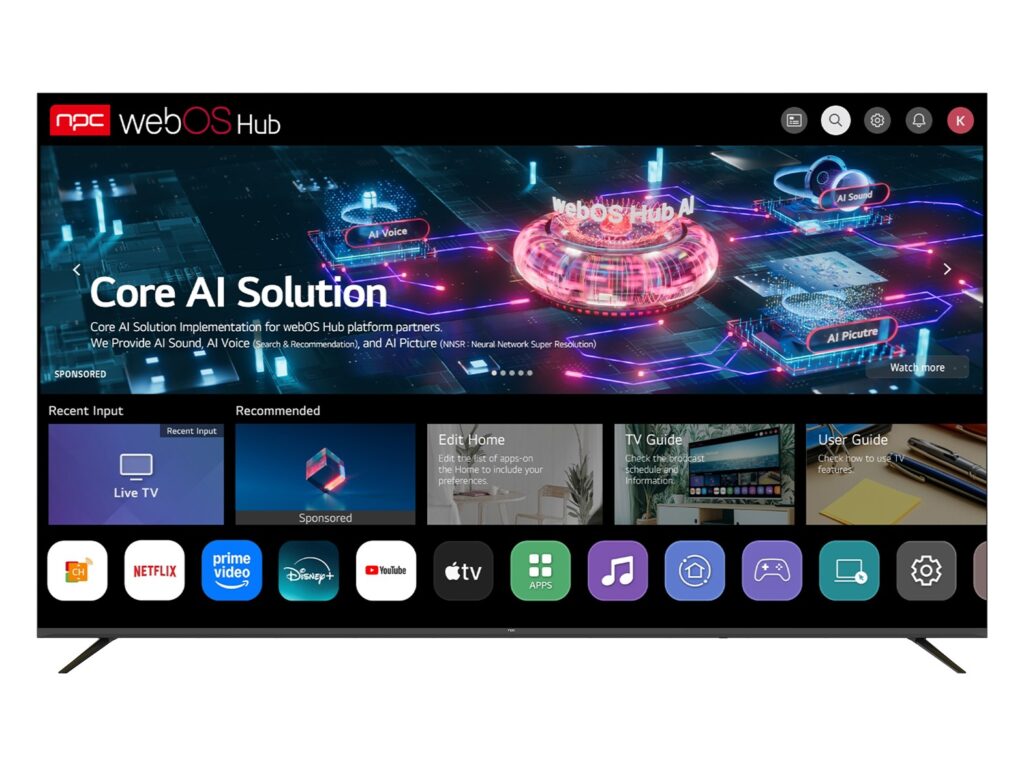
Don’t debate marketing terms. Look for panel type (IPS vs VA), confirmed peak brightness for HDR, native refresh rate, and real input-lag numbers if you cater to gamers. Ask for confirmed codecs and DRM support for streaming partners. Trust but verify firmware behavior: compatibility with a given smart tv os matters because an OS update can break app sign-ins. I’ve tested product samples and examined firmware on the CES in Las Vegas showfloor—firsthand exposure to how different vendors deploy updates sharpens what to ask on your purchase order and what to put into the contract.
Common pitfalls that eat margins and goodwill
Accepting ambiguous specs, skipping serial-numbered samples, ignoring packing strength, and waving away local compliance (power, DVB/ATSC, DVB-T2, or regional tuners) create returns. Expect variations in color calibration across batches; demand a delta tolerance. Neglecting customs paperwork and HS codes turns a delivery into a weeks-long saga. Always specify acceptable defect rates and remediation steps in writing.
Practical brand and sourcing comparisons
Big OEMs: predictable quality, stricter MOQs. ODMs and white-label makers: flexible models and pricing but stronger need for sample checks. Regional brands: faster lead times, often tailored firmware, but watch software update cadence. If you’re evaluating alternatives, prioritize predictable firmware policies and service-level agreements over a few dollars per unit.
Negotiation moves that keep relationships and margins healthy
Start with a small pilot order tied to an acceptance test. Ask for extended payment terms tied to delivery milestones. Request an escrow or letter of credit for first-time suppliers. Insist on an independent pre-shipment inspection and include rework allowance in case of batch variance. Be firm on packaging specs; freight damage is a silent profit killer.
Wrap-up: what actually solves the problem
Stop buying on price alone. Buy on confirmed specs, documented firmware behavior, and clear inspection gates. Do that and you stop firefighting returns, angry customers, and surprise costs. If you want predictability across specs, shipments, and aftersales, working with a partner that enforces those checks—like npc—makes the whole process behave like a business instead of an experiment.