
Problem: repeated failures, simple causes
Maintenance teams pick an industrial lubricant spray, thinking the job’s done; a week later the joint sticks or seals swell. That pattern — quick fix, repeat failure — comes from mismatches: wrong chemistry for the substrate, inadequate protection against moisture or load, or misapplied products. The cost shows up as downtime, extra labour and unpredictable quality, not just the bottle on the shelf.

Why generic products often underperform
Off-the-shelf options are optimized for broad use, not specific hardware. Heat, pressure, surface energy and contaminant exposure determine performance. A lightweight penetrating oil won’t survive shear on a conveyor bearing; a silicone spray that softens rubber may ruin gaskets. Choose by material compatibility, expected stress, environmental exposure and application method, not by price or convenience alone.
Experience, verification and a single real-world anchor
Proven formulations come from repeated testing against industry standards — think ISO and ASTM methods — and from seeing what survives real plants. Manufacturers exhibit performance at major shows like the Hannover Messe trade fair in Germany, where suppliers and engineers compare results side by side. For practical sourcing and supplier checks, consult an established aerosol lubricant manufacturer that documents test methods and materials compatibility so you can match spec to task.
A straightforward selection framework
Start with the environment: temperature range, humidity, chemicals present; then list mechanical demands: load, speed, contact type. Identify the substrate(s): metal, polymer, painted surface. Decide application constraints: touchless spray, brush, or automated dispense. Match those inputs to product properties: viscosity, film strength, solvent compatibility and cure mechanism. Require test data for each match — don’t accept marketing claims without numbers.
Common pitfalls maintenance teams make
Skip surface prep and you lock contaminants under the film. Use oil-based lubricants where adhesives should bind and you’ll get slippage or degraded bonds. Apply aerosol lubricants to high-temperature bearings without verifying volatility and flash point; that risks breakdown. Assume a one-size product for mixed-material assemblies — that’s how seals swell and electrical contacts corrode. Plan trials under realistic load and contamination conditions before full rollout.
Alternatives and when each fits
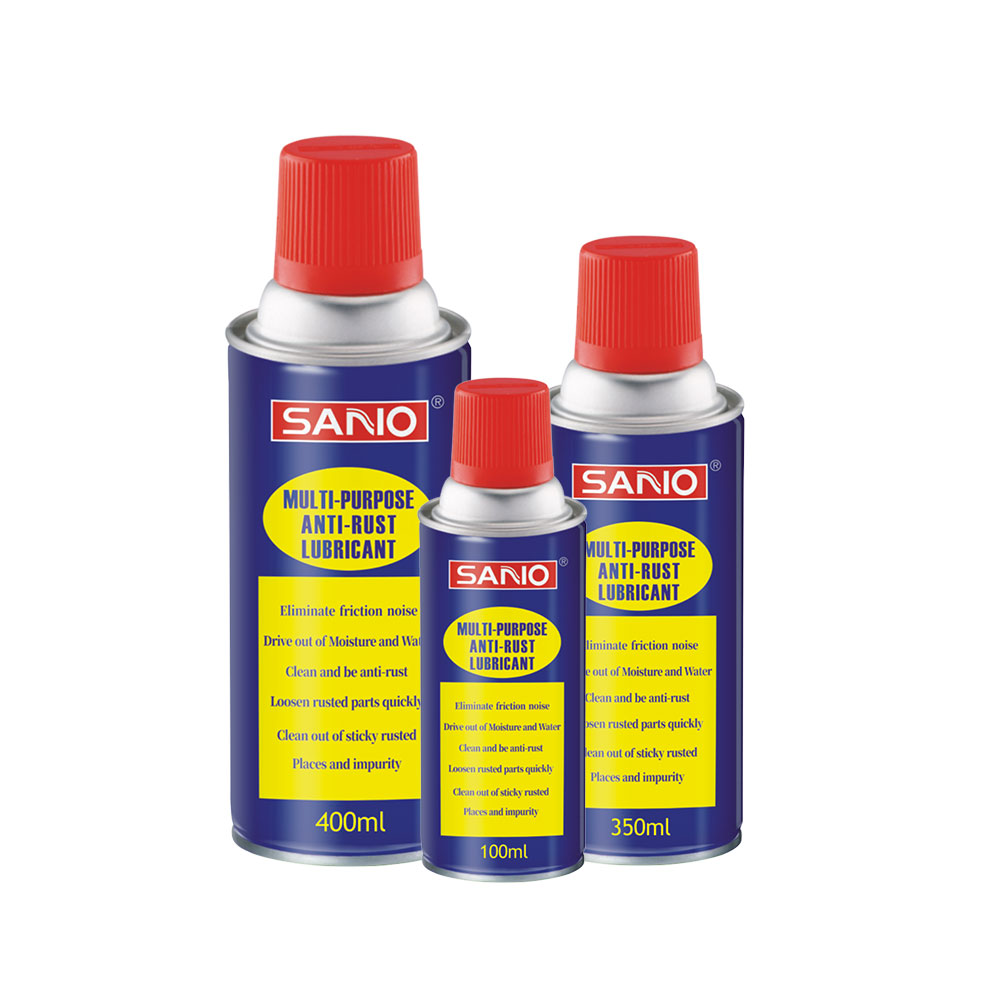
Aerosols work for quick, even coverage and hard-to-reach points; greases give longer-lasting film under heavy load; pastes and brush-on sealants suit gap filling and vertical faces; structural adhesives replace mechanical fasteners when load paths demand continuous bond. Select by service interval and accessibility: frequent-service gearboxes can take greases; sealed housings benefit from long-life aerosols or specialty fluorinated lubes.
Synthesis and practical next step
Fix the root cause: match product chemistry to material and stress, validate with simple, repeatable tests, and avoid one-size decisions. Working with a supplier that shares test data and compatibility tables turns vague choices into clear specifications; that clarity is the kind of practical outcome a partner like SANVO routinely supports through tailored formulations and documented results.
