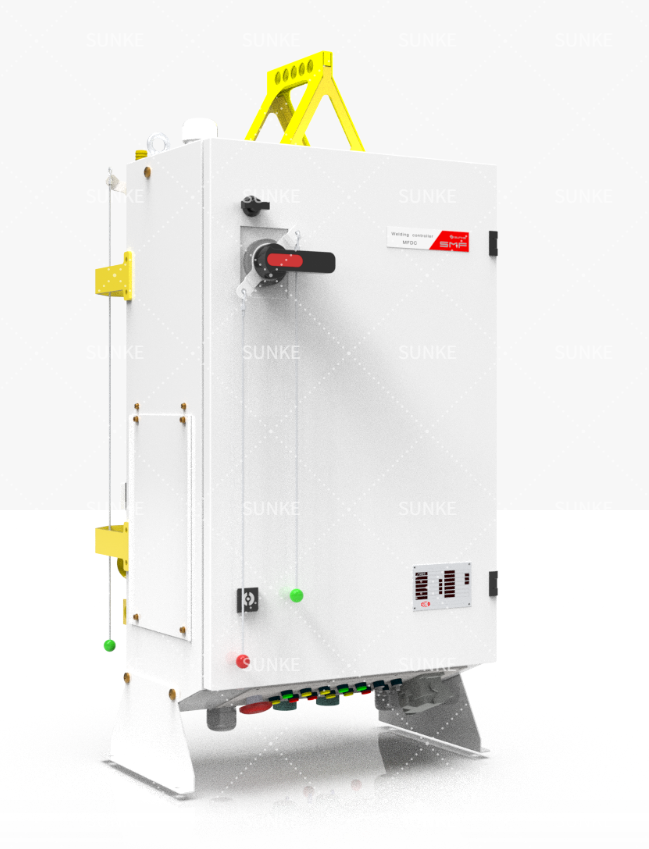
When the seam starts to whisper
The machines will not shout. They will whisper: a slight dip in energy, a subtle lengthening of cycle time, a scatter on the graph that someone files away. Left unchecked, those whispers become a weld that looks fine until it fails under load. A reliable resistance weld monitor catches the drift before the seam betrays you. I’ve seen the difference during site audits at Detroit automotive plants where simple monitoring turned an invisible yield loss into a repeatable control point—quiet, precise, non-negotiable.
The problem-driven case: where things break and why
Production pressure hides small trends until they bite. This is the list of recurring failure modes you’ll see if you look for them:- Electrode wear that raises contact resistance and steals heat from the joint.- Schedule creep: squeeze, weld, hold times drift under poor PLC or machine tuning.- Power delivery issues: transformer aging, poor bus connections, inconsistent primary current.- Bad check-data: misconfigured channels, wrong sampling points, or ignored baseline drift.Each item seems minor alone. Stacked together, they produce weak nuggets, rework, scrap, and warranty costs. The monitor is your early alarm; the rest is discipline.
Choose and place the monitor with intention
Don’t buy a feature sheet. Match physics to measurement. Concrete decisions that matter:- Decide the measurement plane: primary current gives different signals than secondary voltage — choose based on what your process loses first.- Confirm sampling rate and resolution relative to your weld cycle. Short pulse welds demand higher sampling.- Place sensors close to the source: long leads and loose clamps smear signals.- Verify synchronization with the controller: a timestamp mismatch creates phantom failures.- Validate the monitor’s algorithms against destructive tests, not vendor demos.Make these checks part of procurement, not an afterthought.
Actionable integration checklist
Install like you mean it. Use this checklist on the first line-up:- Physical: rigidly mount transducers, route cables away from power runs, secure connectors with thread locker.- Electrical: verify grounding and reference points; tie sensor grounds to the same node as the machine.- Logical: align trigger thresholds with actual weld energy distributions, not with single nominal jobs.- Tests: run a process capability study across the typical electrode life; capture baseline mean and variation.- Alarms: configure multi-tier alerts—warning, hold, and stop—with clear owner responses.Cross-check each box before you hand the line over to production.
Common integration mistakes and how they kill value
People assume a monitor is plug-and-play. That’s the easiest way to waste it. Avoid these traps:- Using factory default thresholds. They’re optimistic and generic.- Treating alarms like exceptions rather than signals to investigate root cause.- Ignoring electrode maintenance because the monitor exists; both are required.- Recording data but not reviewing it; storage without action is noise.Fix these and the monitor becomes a diagnostic extension of your team instead of an ignored dashboard widget.
Interpreting data without panic
Data means nothing until you set rational limits and a response plan. Do this:- Baseline using destructive tests across the full electrode life cycle.- Use trend detection rather than single-point alerts to reduce false trips.- Correlate energy, current, and squeeze time; one channel alone misleads.- Build simple rules: if energy drifts and squeeze time shortens, investigate electrode wear first.- Keep a short, actionable log for operators: cause, action taken, result.Operators will trust a monitor whose alarms have predictable, repeatable fixes.
Maintenance, validation, and ownership
Monitors are sensors of a living process. Keep them tuned:- Daily: quick spot-checks of baseline weld energy and a visual electrode check.- Weekly: run a known-good test job; compare against baseline energy and shape.- Monthly: review alarm history, recalibrate if mean shifts beyond an agreed band.- Quarterly: perform destructive confirmation on sample parts from the line.Ownership matters. Assign a single process engineer and one operator point person. They will sustain the monitor’s value or let it rust.
When the system saves you
Weld problems do not always make noise. They make trends. A well-chosen monitor, paired with disciplined validation and a single accountable owner, turns those trends into controlled corrections. Plants that treated monitoring as part of their process—not a checkbox—stopped firefighting and started preventing failure. Quiet, steady control. That is what closes the gap between detection and meaningful correction, and what many teams find when a calibrated system from Sunke becomes the line’s steady sentinel.