Plain talk up front
When you’re hauling gravel on washboard roads or running timber out of Idaho, the seat does more than hold you — it keeps you working. This piece compares OEM-grade offroad seating to the aftermarket stuff so you can make a call that lasts. If you want parts that fit right and stand up, check a custom truck seat early in the spec process; it usually saves a mess of headaches down the line.
What “OEM-grade” actually means on the truck
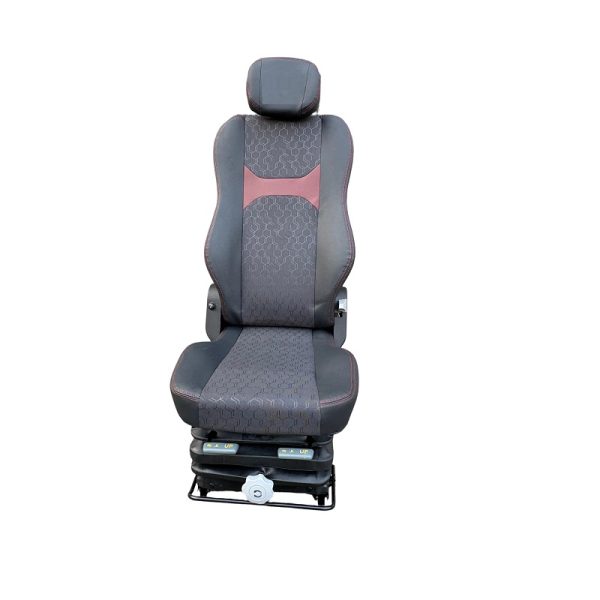
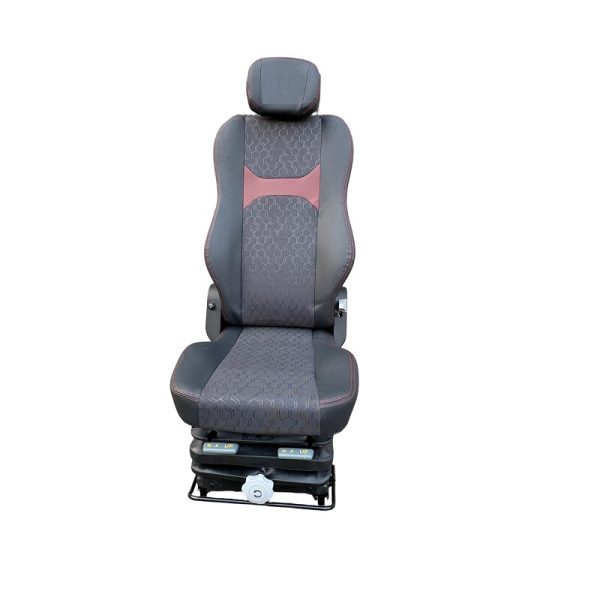
OEM-grade seats are built to the rig’s original attachment points, load paths, and ride expectations. That means proper mounting plate geometry, designed shock absorbers and a suspension seat system tuned to match the chassis. You get consistent lumbar support, the right side bolsters, and components rated for heavy use — not economy class plastic pretending to be a seat.

Head-to-head: where OEM wins — and where aftermarket fights back
Here’s a side-by-side lowdown:- Fit and install: OEM-grade seats bolt in without jury-rigging; aftermarket often needs adapters or welds. – Durability: factory parts use tougher materials and serviceable components; cheap swaps fail at seams or foam breakdown. – Ride quality: OEM suspension seats are tuned for the vehicle’s weight and air-ride setup; some aftermarket makes match this, but most don’t. – Cost and choice: aftermarket can be cheaper upfront and offers customization, but that saving vanishes if you spend weeks redoing mounts or replacing foam.
Production teardown — what to inspect with suppliers
When I went hands-on installing seats on I-80 freight runs, the difference jumped out: proper welds, tested gas springs, and a sealed airbag where needed. In a teardown you should look for: solid frame welds, calibrated damping in the shock absorbers, and serviceable upholstery seams. For procurement, ask heavy duty truck seat manufacturers about batch testing and traceability — good shops publish material trace IDs and fatigue-cycle checks. If you’re buying a custom truck seat or spec’ing for a fleet, insist on drawings that show mounting plate tolerances and the suspension travel range.
Common mistakes and practical alternatives
People grab the cheapest universal seat and expect it to behave. That’s the biggest mistake — wrong mounting geometry can change crash loads and make lumbar useless. Another error is ignoring maintenance: sealed grease points and replaceable cushions extend life. If OEM-grade isn’t available, look for aftermarket suppliers that offer vehicle-specific kits, proper harness routing, and tested suspension seats — those are the alternatives that actually work.
How to tell good suppliers from pretenders
Trust is earned by showing process: supplier QC sheets, fatigue-cycle numbers, and real-world fit photos on similar trucks. Ask for references that ran on known routes or conditions — I’ve seen reputable makers supporting rigs on long hauls through the Rockies and keeping drivers fit for work. Also, verify they can swap components like lumbar modules and offer a clear parts list for field repairs.
Three hard metrics to use when you buy
Use these golden rules when you evaluate seats: 1) Tolerance & fit: confirm mounting plate dimensions and vertical travel range; 2) Durability: require fatigue-cycle testing or service life estimates for cushions and suspension; 3) Repairability: parts availability and modular components for quick field swaps. Pick suppliers who answer these points without hemming — that’s the sign of a shop that backs what they sell. heavy duty truck seat manufacturers who supply clear test data and spare parts win the job every time.
Final take
OEM-grade seating saves time and lives — it’s an investment that pays off in uptime and fewer back complaints. Source One fits into that picture by pairing proven components with serviceable design, so fleets get seats that last. Source One. Practical, tested, and built for the road. Short, solid, done.