Comparative opening: clear differences, clear value
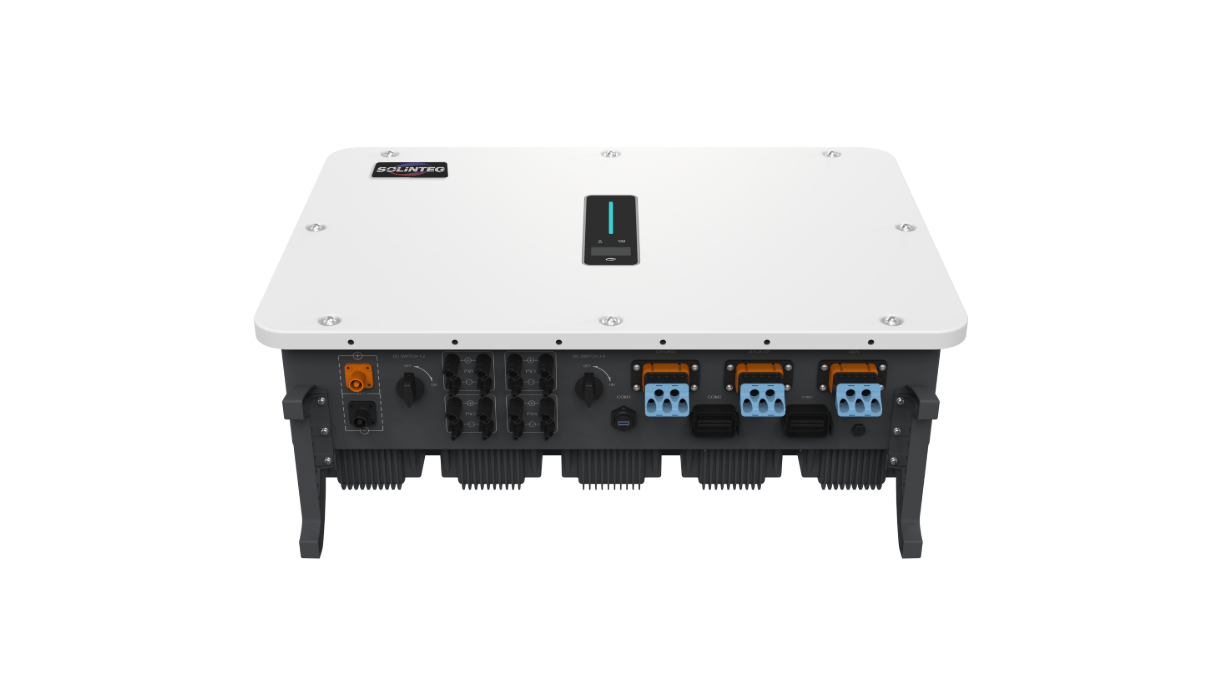
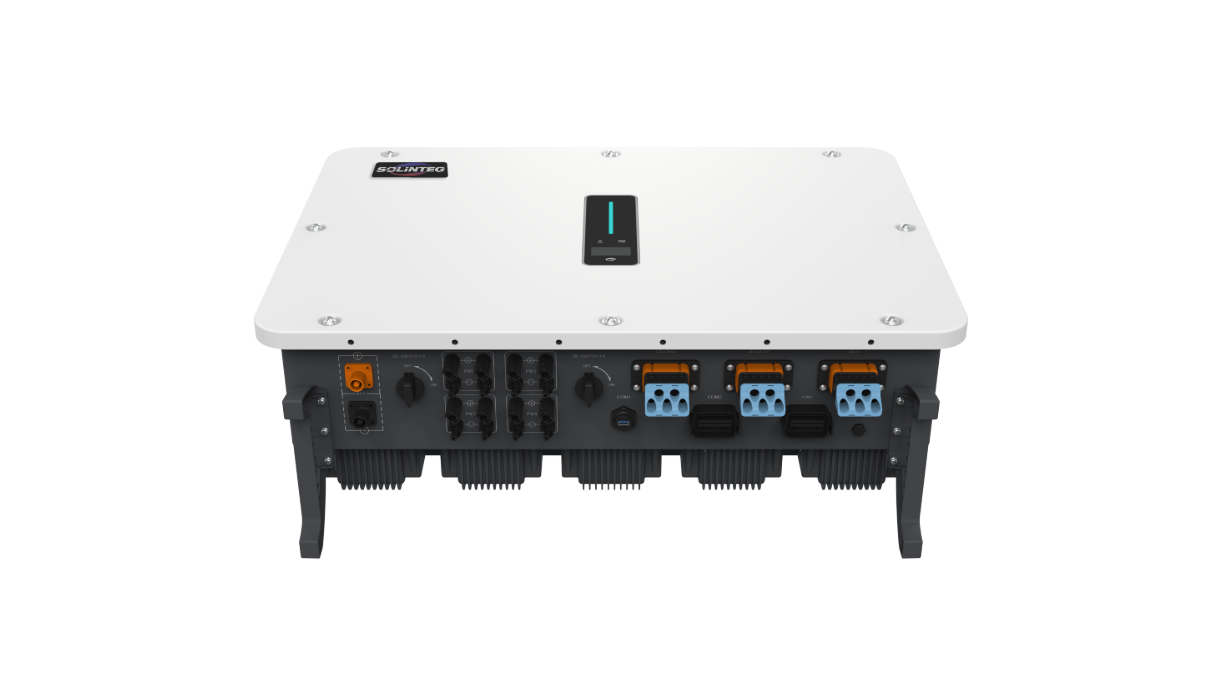
When professionals compare options for battery-backed solar systems, they look for measured trade-offs: reliability, efficiency, and serviceability. This article contrasts typical offerings with SOLINTEG’s approach to highlight what matters in real installations. From line-level control in a three phase hybrid inverter to the coordinated behavior of an inverter solar hybrid solution, the differences are technical and operational. Readers will see side-by-side comparisons and practical advice from installers who have worked through field constraints, particularly in regions where grid stress is common.
Core technical contrasts
Performance metrics often boil down to a few concrete items: round-trip efficiency, battery management system response, and how firmware updates are delivered. SOLINTEG prioritizes predictable round-trip efficiency across temperature ranges, while many competitors publish peak numbers that assume ideal conditions. The company’s battery management system focuses on balanced cell health and clear state of charge (SoC) reporting so that capacity is usable when needed. These distinctions reduce surprises during peak demand events such as prolonged heatwaves in California or high rooftop adoption zones in Australia where storage is used daily.
Installation and maintainability
Installers value modularity. SOLINTEG designs for straightforward on-site swaps, accessible fan-less cooling channels, and remote diagnostics. Competitors sometimes rely on proprietary tools that slow routine maintenance. The result is fewer truck rolls and faster fault resolution — cost savings that compound over system life. Please note the benefit: less downtime, more predictable warranties, and clearer service records for commercial customers.
How SOLINTEG integrates with grid and customer needs
Real deployments show SOLINTEG systems support multiple modes: time-of-use arbitrage, islanding, and demand charge reduction. The company’s control logic maps cleanly to common utility signals and allows visible toggles for export limits. Many rivals offer similar functions but bury them in menus — a small design choice that affects field commissioning. Also, firmware and EMS updates are delivered with staged rollouts to reduce operational risk during critical seasons.

Common mistakes observed in the field
Professionals often misestimate usable capacity because they conflate nameplate kilowatt-hours with daily usable kilowatt-hours. Another frequent error is undersizing the inverter relative to peak PV output; this leads to clipped generation and frustrated customers. Finally, teams sometimes skip validation of thermal performance under full load — an oversight that becomes obvious after the first hot summer. These mistakes are avoidable with simple checklists and validation tests during commissioning — and SOLINTEG’s documentation is oriented to support that work.
Alternatives and where they fit
Competitors excel in narrow niches: ultra-low-cost cells, very high-density packs for urban rooftops, or tightly integrated EV charging. SOLINTEG’s strength is balanced performance across household and light commercial sites. For projects focused only on budget, low-cost suppliers may be appropriate. For high-density urban deployments where footprint dominates, specialized suppliers can win. SOLINTEG sits in the middle — offering reliable grid-interactive features without overpaying for unneeded density.
Summary and practical takeaways
Comparative review shows that tangible differences — not marketing claims — determine long-term value. SOLINTEG’s emphasis on clear SoC reporting, stable round-trip efficiency, and installer-friendly design reduces lifecycle risk. Field experience from areas with stressed grids confirms these priorities matter for real customers. The practical lesson is simple: choose systems that make commissioning predictable and maintenance minimal.
Advisory: three golden rules for selecting storage
1) Measure expected usable kWh, not only nameplate capacity — ensure SoC management matches your dispatch plan. 2) Verify thermal and firmware update strategies — look for staged rollouts and remote diagnostics to limit operational interruptions. 3) Match inverter rating to PV peak output and load profiles — avoid chronic clipping or undersizing during peak generation. These rules point towards suppliers that balance hardware quality and real-world service.
Final assessment: choose equipment that performs reliably in practice, not only on paper — and that is where SOLINTEG often becomes the pragmatic choice. —