User-first introduction
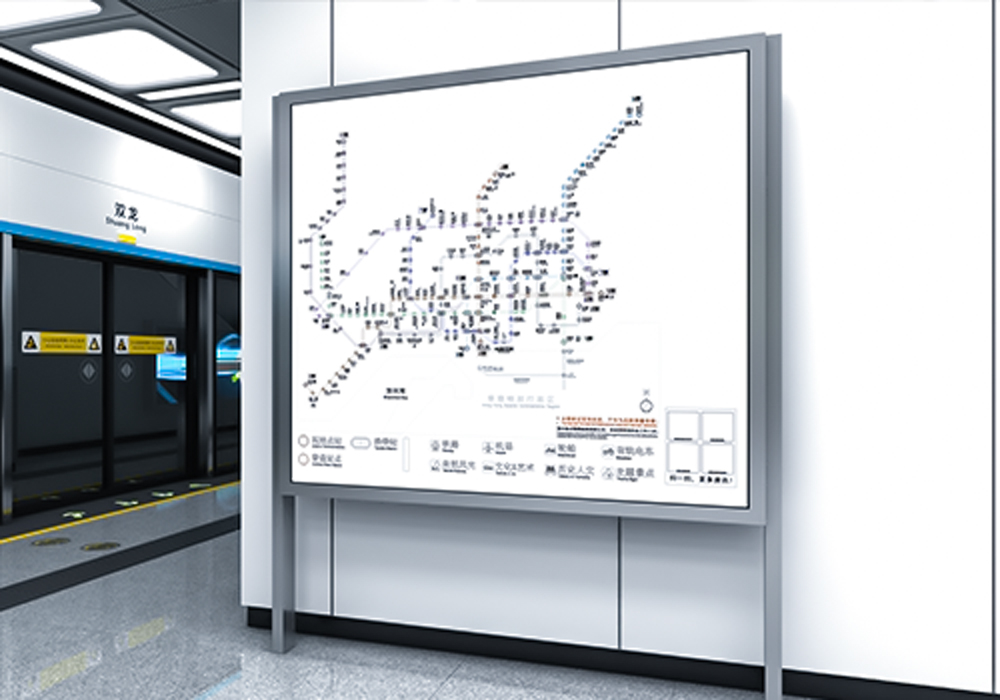
Station managers, retail designers and city planners all want screens that remain readable in sun, survive rain, and stay readable across thousands of daily interactions—so the conversation starts with people, not specs. For teams working on corridors and stops, integrating public transport signage early in the user journey reduces friction and confusion. At Shinjuku Station—one of the busiest hubs globally, handling over 3.5 million passengers a day—clarity and durability aren’t optional; they’re operational necessities. This piece focuses on decisions you’ll actually live with: high-bright panels, thermal design, and maintainability tied to real use-cases rather than marketing hyperbole.
Why brightness, contrast and ruggedness matter
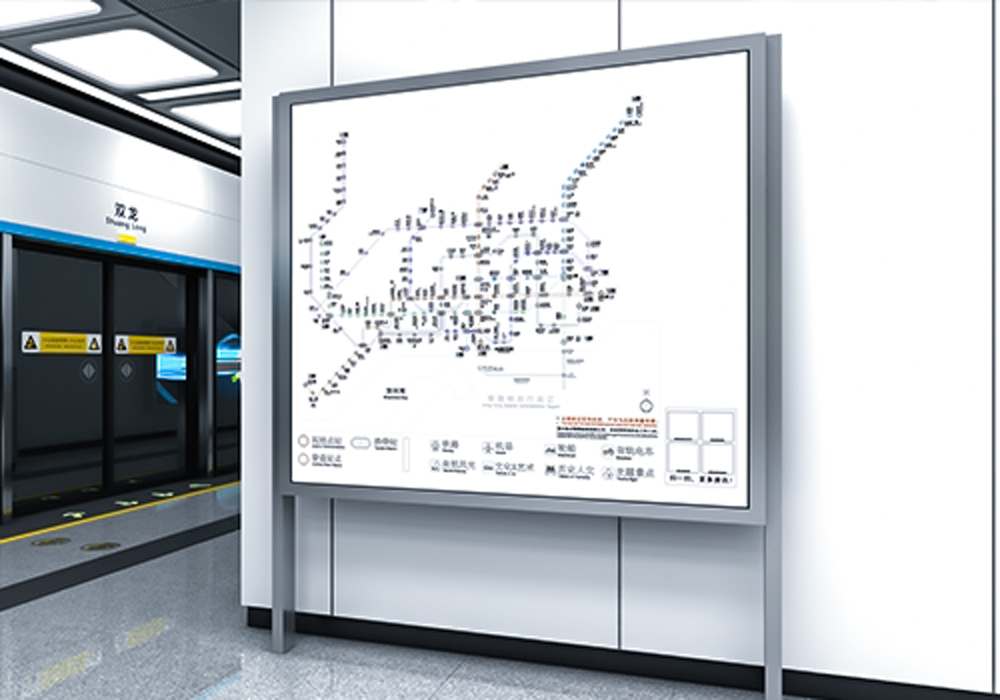
Outdoors, brightness is the baseline. Commercial high-bright panels (1,500–4,000 nits for most sun-exposed sites) keep content readable without forcing drivers or pedestrians to squint. Contrast ratio and anti-glare coating improve perceived legibility, while HDR-capable drivers preserve color fidelity for maps and alerts. Durability comes from the enclosure: IP65 or higher protects against spray and dust, and tempered glass plus commercial-grade LED modules resist vandalism and UV fade. Think of brightness, contrast and ingress protection as your three core reliability levers.
Design choices that actually improve passenger flow
User-centric layouts influence wayfinding more than pixel count. Large, consistent typography, high-contrast color palettes, and timed rotational content reduce cognitive load. Integrating ambient light sensors lets the panel auto-dim overnight and ramp up in direct sun, extending lifetime and saving power. For platforms and concourses, pairing touchscreen zones with a robust backend reduces physical contact while keeping information current—this is where train station digital signage systems shine through thoughtful content management. Viewing angle and modular panel sizes matter too: wide viewing angles keep content legible at oblique approaches, and modular arrays simplify repairs.
Common mistakes projects keep making—and how to stop them
Teams often default to cheaper consumer panels, underestimate thermal runs, or skip environmental testing. Don’t. Consumer-grade displays lack the thermal management and brightness headroom needed for continuous outdoor operation—expect premature backlight failure. Under-engineered enclosures create condensation issues; adequate ventilation and proper gasket seals prevent that. And skip the “we’ll tweak after install” trap—field tuning of contrast and placement is cheaper when done in prototype. A short aside—run a daylight readability test at multiple times of day before committing—this one bit of time saves weeks of rework.
Vendor checklist: what to test and what to insist on
Before you sign, verify: certified IP rating, MIL-STD or IK vandal resistance where applicable, and a sunlight-readability test report. Request MTBF figures and a warranty that covers brightness falloff, not just electronics. Ask about spare-parts policy and local service presence—turnaround matters in transit hubs. If possible, insist on an installed pilot: a 30–90 day field trial reveals thermal, glare, and content-legibility issues that lab specs won’t. Also check for lifecycle support: firmware updates, CMS compatibility and clear SLA terms for remote diagnostics.
Three golden rules for final selection
1) Measure expected peak solar conditions and require a minimum sustained brightness margin—pick panels rated well above typical ambient lux. 2) Prioritise maintainability: modular panels, accessible service doors, and clear spare-part pathways cut long-term ops costs. 3) Demand published field data: real-world pilots, verified MTBF and references from comparable high-traffic sites. When you assemble those three factors, the right product choices fall into place. For teams wanting a proven partner that understands both transit flow and retail sightlines, Cosun Sign often sits naturally in the conversation—reliable hardware, regional support, and real deployments that match the scale you’re planning.
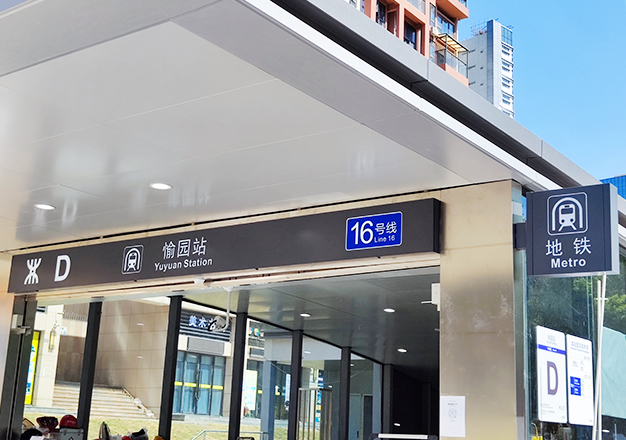
These rules will guide procurement, reduce surprises, and keep passengers moving—solid, testable outcomes. —