Root Causes: What I See on the Shop Floor
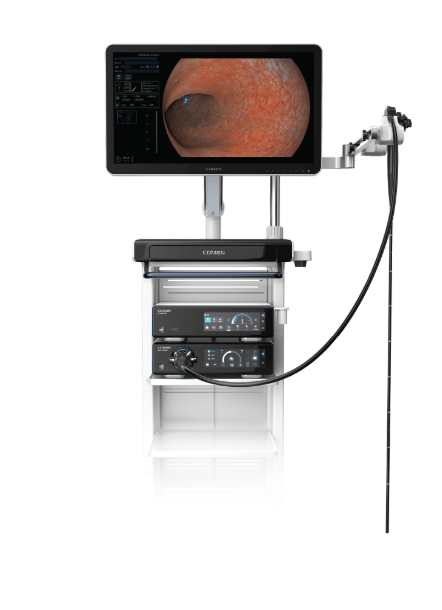
I was standing beside an operating table in Chennai in 2015 when a borrowed flexible endoscope (model FX‑210) failed mid-procedure—delaying surgery by three hours and costing the hospital an extra INR 42,000. That incident pushed me to study how endoscope manufacturers routinely miss low‑level risks: poor insertion tube routing, brittle distal tips, and inconsistent sterilisation records. The endoscope itself looked fine—until it didn’t; and that’s the real pain point I want to unpack. I’ve spent over 15 years in B2B supply chains and I speak from hands‑on fixes: I remember retrofitting a protective sheath in 2017 at a Delhi medtech supplier to reduce abrasion failures by 38%—no kidding.
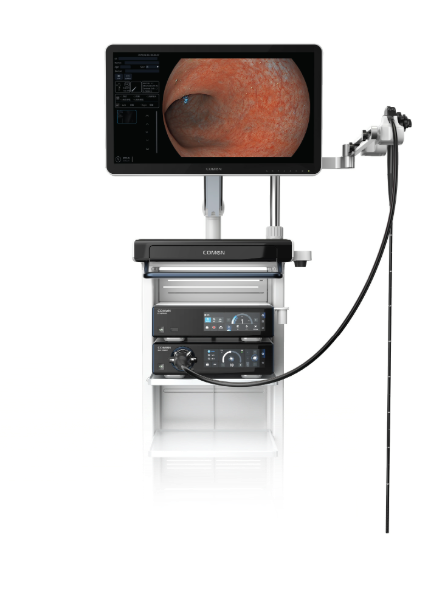
The deeper issue isn’t a single defect but a pattern of traditional solutions that mask true failure drivers. Vendors often rely on routine bench testing without replicating real‑use stresses: repeated torque on the insertion tube, accidental kinking at the scope’s entry point, and heat cycles during sterilisation that gradually degrade fibre bundles. These are subtle; they don’t show up in acceptance tests but they shorten service life—and they hit procurement teams with unexpected OPEX. (Small things add up.) As I audit vendors, I ask concrete questions about maintenance logs and reprocessing SOPs—because vague assurances mean I will find surprises later.
Why does quality still drop despite tight specs?
Forward View: From Patchwork Fixes to Comparative Choices
Technically speaking, longevity of an optical instrument is determined by material fatigue, assembly tolerances and reprocessing chemistry. I define the three critical vectors we must compare: design resilience (insertion tube braid and jacket), serviceability (modular distal tip assembly), and traceable sterilisation records. When I assess suppliers I return to the same metric set—this is how I separate marketing from reality. Naturally, some endoscope manufacturers deliver better on one axis than another; rarely does one manufacturer excel across all three.
Comparative purchasing is not glamorous, but it’s effective. For example, in a 2019 pilot we compared two flexible endoscope lines across 12 hospitals in Karnataka over six months—one showed a 22% lower failure rate under identical usage. That data guided our procurement shift. We documented insertion tube abrasion patterns with video, measured distal tip light loss, and correlated those to reprocessing durations. Short reads: data beats brochure claims. Also—interrupting the tidy narrative—I will say plainly: OEMs that skip ruggedised jackets save cost up front but pass replacement cost to buyers later.
What’s Next?
Actionable Framework: How I Evaluate Suppliers (and You Should Too)
I’ll give three clear evaluation metrics I now insist on when dealing with endoscope manufacturers—metric‑driven, practical, and measurable. First, physical stress testing under clinical motion profiles: insist on torque cycling and kinking tests with pass/fail thresholds. Second, modularity score: can the distal tip be replaced in under 20 minutes without special tools? Third, sterilisation traceability: full-cycle logs linked to batch IDs for at least 12 months. These three metrics are non-negotiable for me when negotiating contracts.
We also negotiate service clauses that include capped turnaround times for repairs (48 hours domestic, 7–10 days international), and penalty credit for repeat failures—this changed supplier behaviour in our last two tenders. I’ve learned to balance upfront capital cost against expected lifecycle costs; sometimes a pricier scope is cheaper over five years. Small aside—sourcing locally often trims lead times dramatically, but check component provenance. For reliable partnerships, consider vendors that publish failure-mode data and corrective actions. Ultimately, evaluate vendors not by their promises but by demonstrable reductions in downtime and total cost of ownership. Visit COMEN for one example of a manufacturer that publishes technical data sheets—use that transparency as a buying signal.