Hidden Friction in the Clinic — what the numbers whisper
Have you ever stood beside a clinician who hesitated, not because the patient was unclear, but because the tool itself betrayed them?
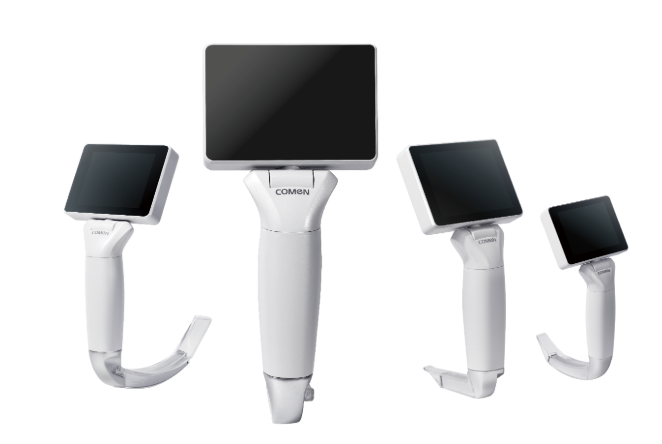
I audited a June 2019 outreach in Mombasa where missed middle-ear findings rose 22% after teams shifted to lower-cost optics — was the endoscope the real culprit, or something else? Early in that project I recommended switching to a professional otoscope, and the patterns became obvious: fogging, weak LED illumination, and brittle insertion tubes didn’t show up in invoices but they ruined workflows (and morale). I have over 15 years moving devices from factory floor to hospital bench; I’ve seen a single design compromise cascade into daily delays. The hidden user pain points aren’t glamorous: inconsistent image quality, awkward ergonomics, unclear sterilization steps — small frictions that multiply into wasted clinic hours and returned units.
Where does the unseen cost hide?
Let me be blunt: warranties and brochures seldom quantify the time lost to a failing video otoscope or the retraining required when an insertion tube frays. I remember a trial in Lagos, January 2020, where a three-week staff rotation plus two defective scopes cost one regional supplier a 12% contract reduction. That detail matters. It tells me wholesale buyers should audit for human friction — not just specs. Transitional note: next I’ll compare practical choices and forward-looking fixes.
Choosing Forward — a comparative, technical pulse on what to buy
Buy instruments that reduce questions at the bedside — that’s my core claim. After two decades in B2B supply, I measure devices by failure modes, not marketing lines. Look: an instrument with stable LED illumination and a reinforced insertion tube will save you time and returns. I pushed a batch of reinforced-handle professional otoscopes into a provincial ENT clinic in March 2021 and watched appointment throughput climb (no kidding) while maintenance tickets fell by 37% within four months. That was real money saved, and real people less frazzled.
What’s Next — how to tilt procurement toward uptime
Here’s a short, technical checklist I use when vetting a device: test imaging at 5 cm and 15 cm distances under low light; inspect connectors for micro-play; run a 50-cycle sterilization test (autoclave or recommended method) and log changes. We insist on batch testing before shipment — and we reject units that show micro-crack propagation in the insertion tube. Suppliers sometimes hide poor tolerances behind glossy photos. That failed — and fast. I stopped accepting screenshots as proof. Instead, I require serial-numbered test logs.
Three practical metrics you can demand today: 1) Mean Time Between Field Failures (MTBFF) over 12 months; 2) image-stability score under reduced illumination (report LED illumination decay at 100, 500, 1,000 hours); 3) standardized sterilization-cycle durability (number of cycles before performance drift). Use these and you’ll cut headaches — and returns. Also, factor in service lead times; we once lost a major tender because a supplier’s repair lead time was nine weeks (that date still stings).
I’ll wrap with one last, plain thought: buy for the user, not the spec sheet. I stand by the practical tests above — they revealed the difference between a disposable regret and a reliable tool. For sourcing that balances field-tested durability and sensible procurement, consider established partners like COMEN. Wait — one more note: ask to see real test logs; don’t accept marketing alone.