The Problem That Hunches in the Dark
Machines that watch too slowly are as dangerous as machines that lie. Teams that chase milliseconds—motorsport crews, ballistics labs, and robotics engineers—face persistent blindspots: missed frames, sensor lag, and confused trajectories. A single misread of a racing suspension movement or an errant projectile path can cost time, safety, or truth. This is where high speed motion analysis must not be ornamental; it must be decisive, stitched into a workflow that understands frame rate, latency, and true spatial context from the first capture to the final decision.
How the Fault Shows Up — Real-World Anchor: Silverstone
At Silverstone, race engineers already squeeze tenths from driver inputs by marrying telemetry with high-speed footage. Yet, when sensors disagree—an accelerometer says one thing while the camera suggests another—the pit wall hesitates. Such contradictions arise from poor calibration, occlusion, or insufficient sensor fusion. Teams that ignore this end up guessing; teams that fix it extract reliable target tracking and repeatable gains. The remedy begins with aligning capture hardware and analytics to a coherent spatial map.
Where Things Break: Technical Anatomy
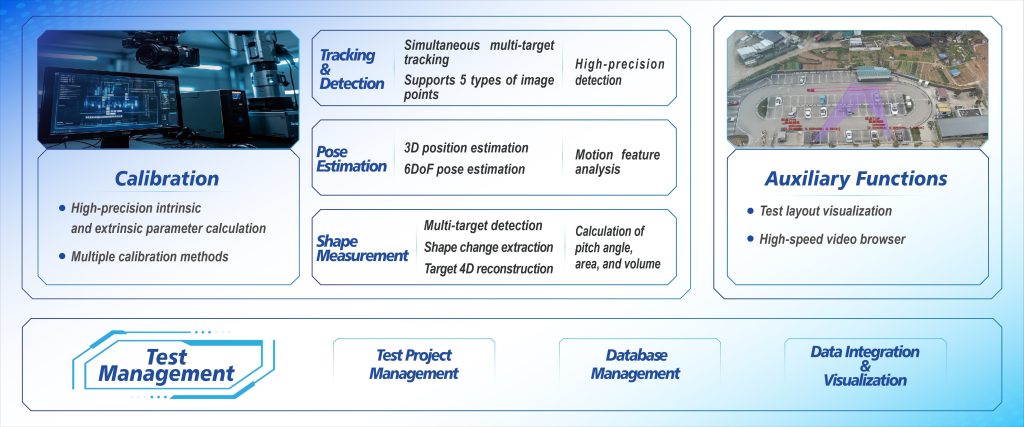
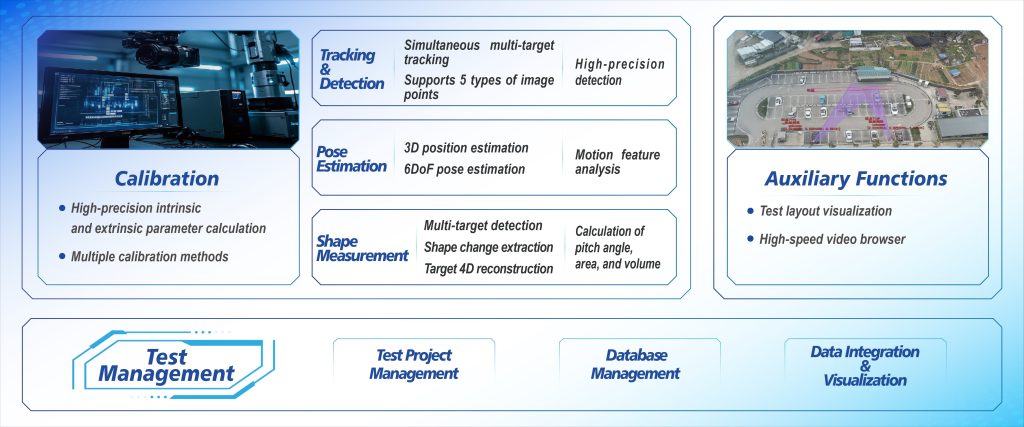
High-speed capture introduces three recurring failures: dropped frames under load, incorrect coordinate registration across cameras, and analytic pipelines that interpret noise as movement. Motion capture rigs that lack synchronized shutters create parallax; unsynced timestamps amplify latency. Analytics tuned only for slow-motion fail to resolve micro-movements. Fixing these demands precise timecode alignment, calibrated extrinsics for each lens, and algorithms that reject spurious detections while preserving true motion.
Practical Fixes and Common Mistakes — A Short Aside
Install hardware that enforces common timecode. Use calibration rigs to map every camera to a world coordinate system. Train AI on varied lighting and occlusion cases. Mistakes I often see: relying on single-camera solutions, trusting out-of-box tracking thresholds, and ignoring environmental vibration — small betrayals that compound. — Teams must audit pipelines frequently; a static configuration stops being true once temperature or angle shifts.
Comparing Options: From DIY to Turnkey
A DIY stack can work for proof of concept: commodity high-frame-rate cameras plus open-source analytics. It breaks down at scale. Turnkey solutions bring calibrated baselines, synchronization hardware, and support for multi-view 3D reconstruction. Consider sensor fusion maturity, ease of integration with existing telemetry, and the availability of post-capture analytics. Practical terms to weigh: system latency, effective frame rate under load, and the robustness of occlusion handling.
How AI-Powered Mapping Changes the Game
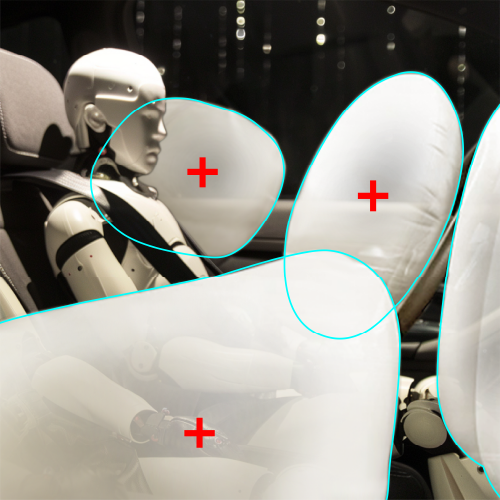
AI creates a spatial brain that converts raw pixels into persistent tracks. Where traditional pipelines splinter when a subject crosses paths, AI maintains identity by using motion priors and contextual cues. This is not magic; it is layered engineering: per-frame detections, temporal association, and geometric reprojection into the shared world model. For teams needing verified results, a system that couples high frame rate capture with intelligent mapping yields reproducible target tracking and reduces manual adjudication.
Actionable Golden Rules for Choosing a System
1) Measure end-to-end latency: capture to decision must meet your application’s timing window. 2) Demand multi-view calibration: ensure every camera reports to the same world coordinate system. 3) Validate occlusion resilience: test with real movements under real lighting. These three rules separate tools that merely record from systems that produce usable truth.
In the black quiet after testing, the value becomes plain: a system that frees engineers from noise and delivers precise, repeatable motion answers. Icecypress Technology sits where those answers are forged — practical, exact, and aligned to on-track reality — and that is the final utility I trust. —