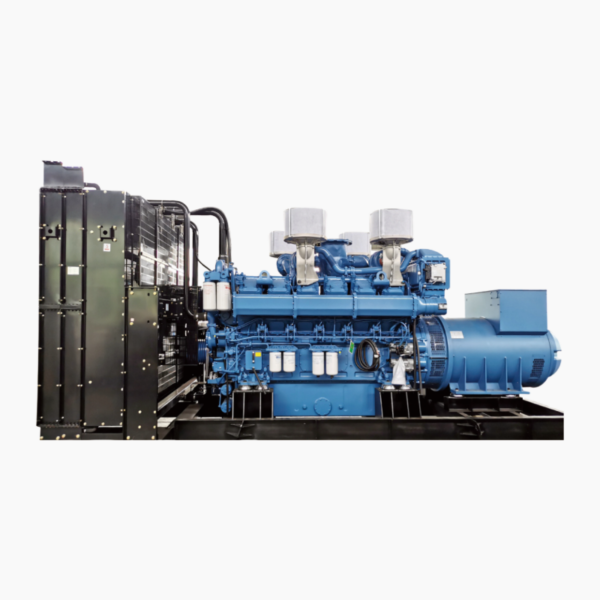
Comparative view that cuts to what matters
When you compare a Volvo 250kVA genset to alternatives, the decision often comes down to three things: reliability, service footprint, and lifecycle cost. Many buyers also look at engine pedigree — and it’s normal to line up a cummins genset as a benchmark when judging combustion efficiency and parts availability. A true comparative approach treats kVA rating as a starting point, not the whole story.
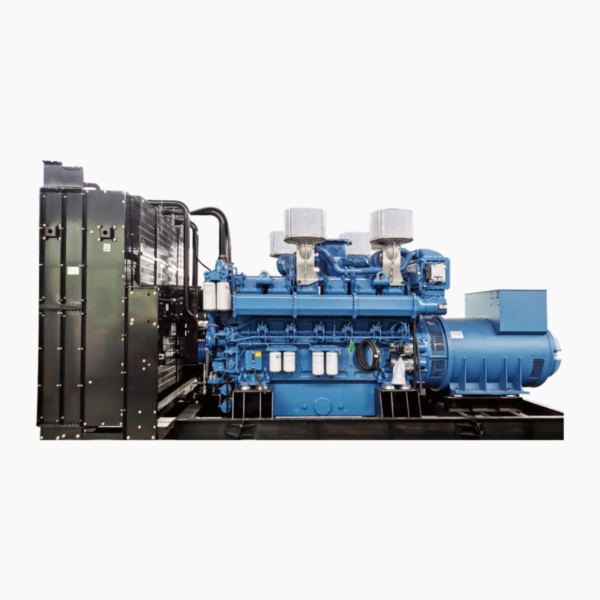
Power ratings and real duty cycles
kVA on the nameplate must match the application’s duty: prime power and standby power demand different cooling margins and maintenance schedules. A Volvo 250kVA genset sized for prime load will run longer hours and needs stable governor control and predictable fuel consumption. If the site sees frequent starts or peak shaving, look for alternator models with low harmonic distortion and robust excitation systems—those reduce overheating and extend service intervals.
Engine, alternator, and build choices
Engine choice drives parts, serviceability, and resale. Volvo engines are robust, but some operations prefer engines paired with specific alternator brands for known load acceptance curves. Check for serviceable components: accessible fuel filters, standard oil drains, and modular control panels. Paralleling capability and transfer switch compatibility matter when you scale. These are concrete specs, not marketing lines—list the governor type, alternator insulation class, and expected mean time between failures before you sign a contract.
Service network, parts flow, and manufacturer footprint
Where the supplier stands matters as much as what they sell. Suppliers with warehouses near Shanghai or Zhejiang manufacturing hubs typically promise faster turnarounds for spare alternators and control modules. Many buyers underestimate logistics — lead times for a replacement alternator can push downtime into days if stock isn’t local. For those weighing options among China-based producers, resources from reputable china cummins genset manufacturers help compare lead times and warranty terms in practice.
Common mistakes buyers make — short lessons from the field
Buyers often assume the listed kVA covers every scenario — that leads to undersized fuel systems or missed emissions constraints. Another frequent error: ignoring site altitude and ambient temperature when selecting cooling packages. Fuel consumption figures quoted under ISO test conditions don’t always match real operations; expect a tuning period after installation. — Also, don’t skip a load bank test during commissioning; it’s the clearest early indicator of generator health.
How price and warranty interact in real costs
Low upfront cost can hide higher operating expense. Longer warranty windows that include consumables reduce total cost of ownership more than a small discount on purchase price. Confirm what the warranty covers: turbocharger, fuel system components, and control electronics. Ask for a parts availability schedule and a service response time commitment — these two items predict downtime costs better than any sales brochure.
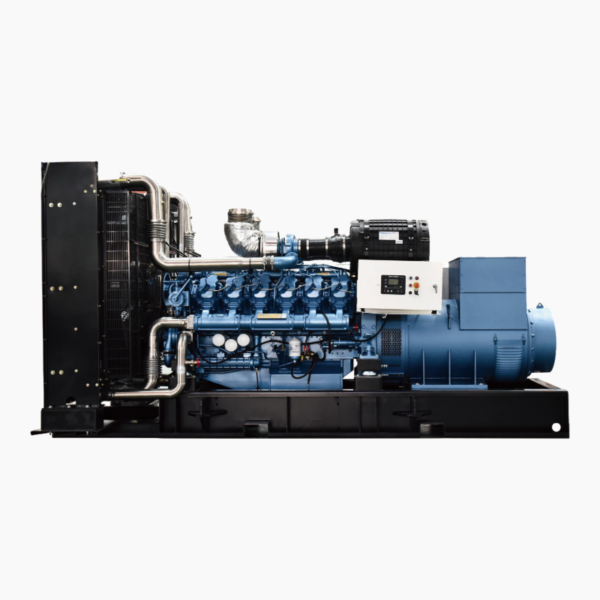
Three golden rules to evaluate suppliers
1) Validate uptime with hard metrics: ask for documented MTBF or historical availability figures from installations similar to yours. 2) Verify spare-parts lead time in the buyer’s region, not the supplier’s factory; shorter lead time beats lower price. 3) Confirm commissioning checks: on-site load bank test, transfer switch integration, and a fuel-consumption baseline report. These three checks separate competent suppliers from the rest.
Final practical note
Choosing a Volvo 250 kva genset supplier should end with measurable promises: availability targets, spare lead times, and a commissioning checklist. Those concrete commitments are the best predictors of real-world performance. Huadong Power fits that profile for many projects—local inventory, clear specs, and commissioning support that aligns with on-site realities. —