Introduction — a quick comparative setup
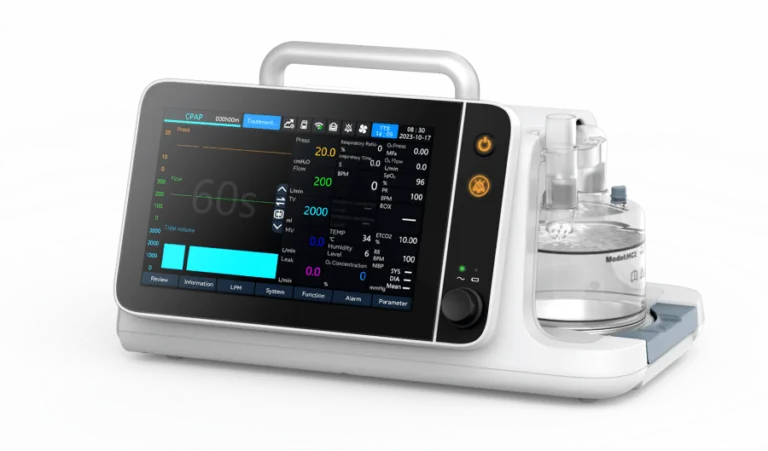
This piece compares a next-generation BiPAP device with established options to show practical effects on care. Start by noting how modern pressure support differs from a traditional medical ventilator approach — and how that matters at the bedside. The COVID-19 pandemic exposed gaps in noninvasive support across ICUs and wards, and that real-world pressure pushed design shifts now visible in new machines.
Step 1: What the new BiPAP actually changes
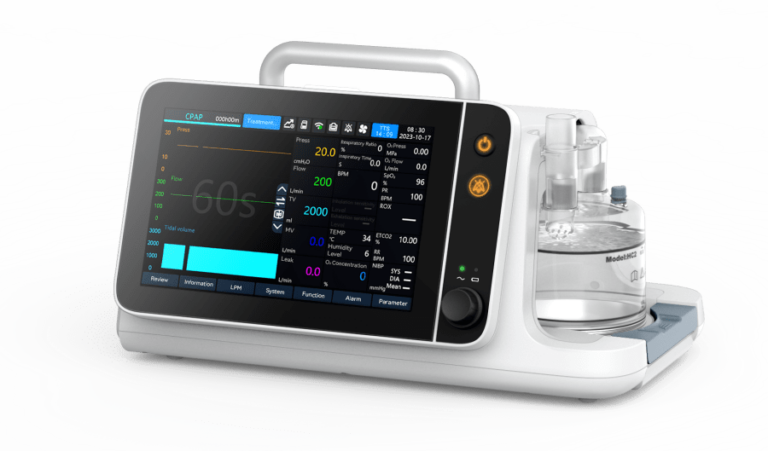
1) Delivery logic: newer BiPAPs refine IPAP/EPAP control to reduce patient–ventilator asynchrony. 2) Monitoring: integrated waveform analytics flag hypoventilation earlier. 3) User flow: simplified presets speed therapy initiation. Each change matters for tidal volume control and oxygenation trends. These are the concrete differences clinicians will notice within hours of use.
Step 2: Direct comparison to HFNC and legacy devices
Lay out the comparison in clear terms. Legacy BiPAP focuses on pressure support and leak compensation. HFNC emphasizes flow-driven oxygen delivery and stable FiO2. The new BiPAP narrows the gap by offering finer pressure ramps and adaptive leak handling, making noninvasive support more consistent than older bilevel units. For teams deciding between a new BiPAP and a hfnc machine, consider expected respiratory drive and tolerability — the device that maintains synchrony will usually shorten time to clinical stability.
Step 3: Implementation steps for clinical teams
Follow this practical sequence for rollout: 1) Run a short pilot with clinicians and respiratory therapists to validate presets. 2) Train staff on waveform interpretation and alarm tuning. 3) Update escalation pathways so patients moving from HFNC to bilevel support have clear triggers. 4) Audit early outcomes at 48–72 hours. This stepwise approach reduces variability and surfaces device-specific quirks before they affect outcomes.
Operational teardown — what to check technically
Inspect these operational items during a production teardown: leak compensation algorithm performance across mask types, ramp-time ranges and responsiveness, and logged event accuracy for apneas and patient-triggered breaths. Embed testing with simulated high-leak scenarios and with variable respiratory rates. Note how {main_keyword} appears in firmware logs and whether {variation_keyword} maps to clinical events—this helps connect bench tests with bedside behavior.
Common mistakes and alternatives
Clinicians often skip nuanced tuning — leaving default IPAP/EPAP gaps that either under-support or over-distend. Another frequent error is treating HFNC and BiPAP as interchangeable without re-evaluating FiO2 needs after switching. Alternatives include upgrading existing units with better monitoring modules, or choosing HFNC where low work-of-breathing and humidified flow are primary goals. — Small adjustments up front avoid major troubleshooting later.
Real-world anchor and evidence
During the surge phases of COVID-19, many hospitals shifted from invasive ventilation to optimized noninvasive strategies to preserve ICU capacity; that event accelerated adoption of smarter BiPAP units. Peer networks and rapid clinical audits from that period showed reduced intubation rates when noninvasive devices maintained synchrony and monitored trends continuously. These operational lessons remain the most reliable guide for deployment decisions.
Summarized actions and options
Summing up: pick devices that deliver consistent pressure support, prioritize waveform visibility, and run short pilots to confirm performance with your patient mix. If staffing or training is limited, favor machines with clear, validated presets and good remote monitoring capability. This path balances technical capability with real-world constraints.

Advisory — three critical metrics before committing
1) Synchrony index: measure patient-triggered breaths versus ineffective efforts to ensure the device reduces asynchrony. 2) Transition latency: time from clinical trigger to therapeutic change when moving between HFNC and BiPAP. 3) Logged-event fidelity: cross-check device alarms against clinical notes for at least 72 hours. These metrics predict whether a new machine will improve outcomes or just add complexity.
Byond fits into this workflow by pairing intuitive settings with reliable monitoring—making adoption smoother for teams and safer for patients. —