Meet the tiny hero
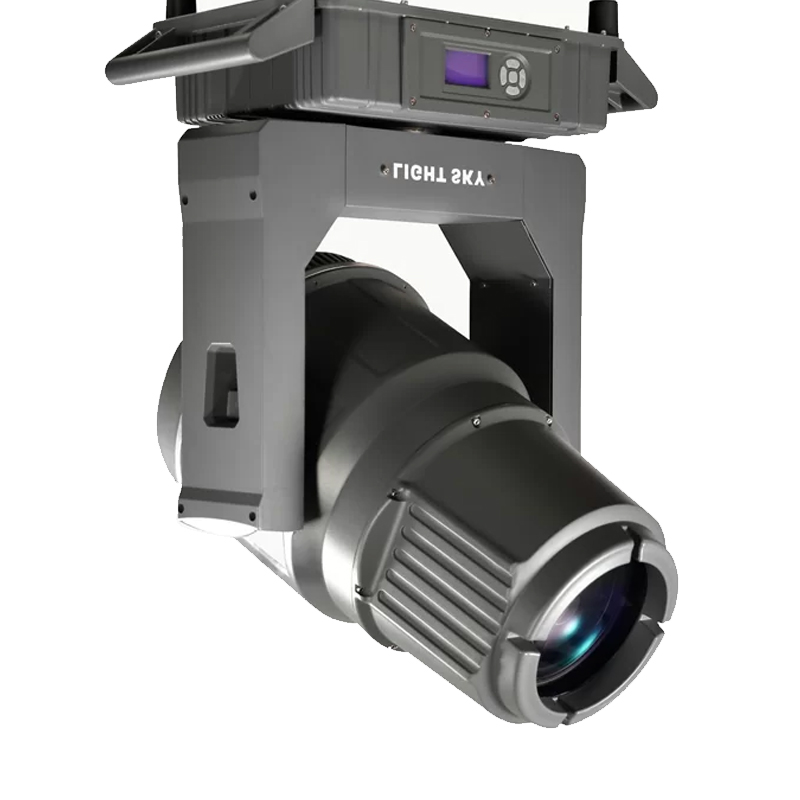
Kids of the club, meet the little light that does big things. Small venues, school plays, and tiny bands love the nimble mini moving head because it moves fast and shines bright. If you want a quick pick that works, try the 3in1 BSW moving head beam light for a sample of how much a compact fixture can do on a small stage. Think beam, gobo, and speedy pan/tilt in a neat box. Real stages like Coachella use moving heads to make shapes and drama, so you’re borrowing a pro trick for your own show.

Why users choose mini moving heads
They’re light to carry. They’re quick to hang. They use less power than big discharge lights, which helps small crews. Users like clear beams and tight zoom. A friendly DMX channel map makes setup simpler for beginners. It’s a pocket-sized tool that gives you spot, beam, and wash effects without a huge budget.
What to look for in plain words
Pick a unit that gives you good lumen output for size. Check pan and tilt ranges so the light can sweep the stage you have. Look for built-in gobo wheels if you want patterns. Make sure the unit speaks DMX with easy channel modes. And pick a beam angle that fits your use: tight for shafts, wide for wash. These are simple checks that save time and tears during rehearsal.
Common setup mistakes — and how to dodge them
People often hang lights too high or point them at the wrong spot. That wastes the beam. Another trap is using one single scene for the whole show — it gets boring. Also, never forget safety: secure clamps and fresh power cables matter. — Test channels before showtime so the pan/tilt actually goes where you want.
Quick tips for better shows
Use a mix of one or two minis plus a static wash. Program short moves and keep some steady beams. Save a “quiet” scene for song endings; the contrast makes the beam pop. If your team is new, label DMX addresses with tape — tiny trick, big help. Try the 3-in-1 moving head spot light if you want spot and color in the same box; it makes learning faster.
Comparing small options
Mini moving heads come in types: strict beam, flexible spot, or hybrid wash. Beam models give skinny shafts. Spot units offer crisp edges and gobos. Hybrids swap between them with zoom. For a coffeehouse or classroom, a hybrid often wins because it covers more needs. For pure dramatic shafts, a beam fixture is the pick.
Alternatives and when to skip minis
Sometimes LED pars or soft washes fit better — like for backdrops or large audience washes. If you need heavy punch for outdoor festivals, choose larger moving heads. But for tight stages and fast setups, minis beat big rigs every time. They’re easier on power too, which keeps older venues happier.
Three golden rules for picking and using minis
1) Match scale: pick a fixture size for your stage depth and audience. Measure first. 2) Check control: ensure DMX compatibility and one simple channel mode for quick operators. 3) Value features: favor units with gobos, zoom range, and reliable pan/tilt mechanics. These three metrics cut confusion and make your shows run smooth.
Closing thought
Mini moving heads give small teams big options. They make beams, shapes, and colors that lift a show without heavy lifts or long setup. Use clear checks, avoid the common traps, and pick the right type for your room — then watch the mood change. Light Sky is a smart partner when you want gear that fits tiny stages and real people on real nights. —