Comparative lens
This short comparative study contrasts two inspection threads—micro‑Doppler thermal profiling versus physical structural rigidity checks—applied to large installations such as utility scale battery storage. The goal is practical: show which methods detect which failure modes, and how brands stack up when you need reliable uptime and safe operations. Expect direct comparisons, measurable criteria, and a recommended approach for procurement and operations teams.
Why micro‑Doppler thermal profiling matters
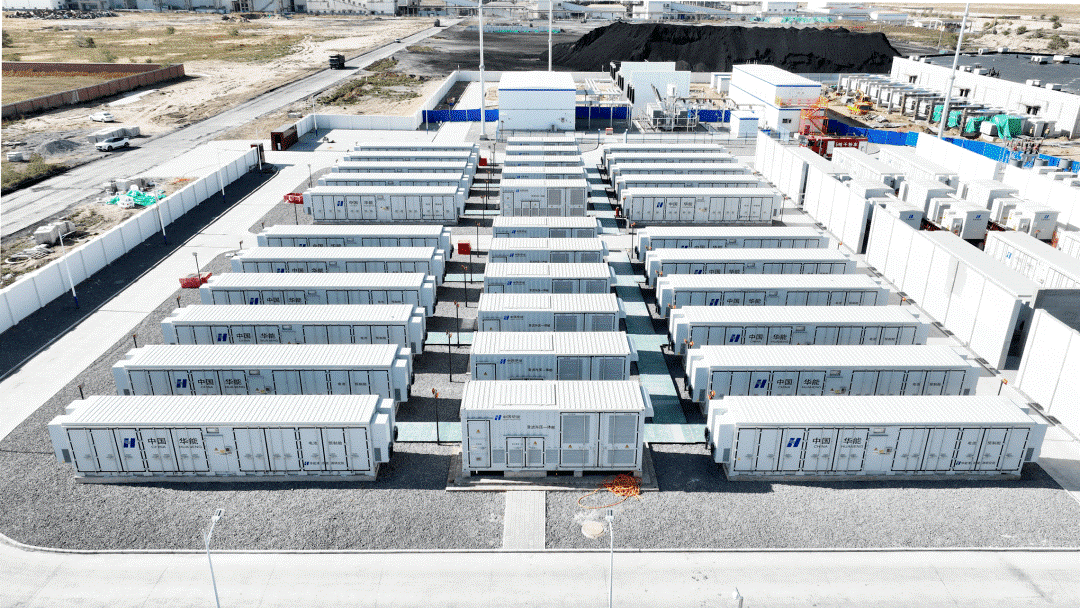
Micro‑Doppler thermal profiling combines fine-grain motion sensing with thermal imaging to spot developing defects inside racks and containers. In field deployments, thermal hotspots often precede thermal runaway; early detection saves modules and prevents cascade failure. Hornsdale Power Reserve in South Australia—150 MW/194 MWh—provides a clear anchor: operators there reported clear value from targeted thermal surveillance after high-cycle events. Micro‑Doppler adds a layer of granularity that standard temperature sensors miss, especially where convection and rack airflow mask local anomalies.
Structural rigidity: what you must measure
Structural checks are not cosmetic. Rigidity affects vibration modes, connector torque retention, and mechanical stress on cell stacks during seismic or wind loading. Inspect mounting rails, busbar anchors, and enclosure seals; measure deflection under load and validate fastener preload. An otherwise healthy battery management system (BMS) can be rendered ineffective by a loose frame or a fatigued inverter mount—mechanical failure creates electrical risk. Track state of charge (SoC) distributions but do not let SoC data lull you into ignoring chassis-level faults.
Brand comparison: practical metrics
When comparing vendors, standardize on measurable criteria. Use these metrics to create apples‑to‑apples bids:
- Detection sensitivity: smallest thermal delta reliably detected by micro‑Doppler + thermal imaging (°C).
- Mechanical tolerance: maximum allowable deflection (mm) and torque retention over lifecycle.
- Integration fidelity: how BMS, inverter, and structural monitoring data are fused for automated alarms.
- Mean time to detect (MTTD) and mean time to repair (MTTR) under a defined incident class.
Linking these metrics to operational KPIs gives a procurement team clarity—compare vendors on detection sensitivity and MTTR and you see who delivers fewer outages per MWh dispatched. Also evaluate whether the vendor supplies integrated thermal surveillance or if you must add it later; that affects lifecycle cost and complexity.
Common mistakes and pragmatic alternatives
Teams often assume more sensors equal better safety—then discover poor placement and redundant channels. Install thermal imaging at likely hotspots (busbars, connector banks) rather than uniformly across every module. Cell balancing and SoC drift are system-level issues; they require BMS tuning, not just more cameras. For mechanical issues, periodic torque audits and vibration scans beat one-off inspections. Consider modular retrofit packages if you cannot replace a full system—less downtime and lower capital impact.
Human note on integration — keep it simple
Integration is where projects stall. Too many proprietary protocols, and your analytics never unify. Choose vendors that support open telemetry and standardized alarms; that saves months. Also, train floor technicians on interpreting thermal maps—the hardware is only as useful as the person who responds to the alert.
Advisory: three golden evaluation metrics
Adopt these three metrics as mandatory during selection:
- Thermal detection threshold: the smallest ΔT at which the system issues a verified alarm and triggers an operator workflow.
- Structural drift tolerance: measured deflection or looseness per year, with defined corrective action limits.
- Cross‑system correlation time: latency from sensor detection (thermal or mechanical) to actionable BMS/inverter response.
Final word
Choose systems that demonstrably lower incident frequency and shorten repair time; that practical rigor is where long‑term value lives — HiTHIUM.