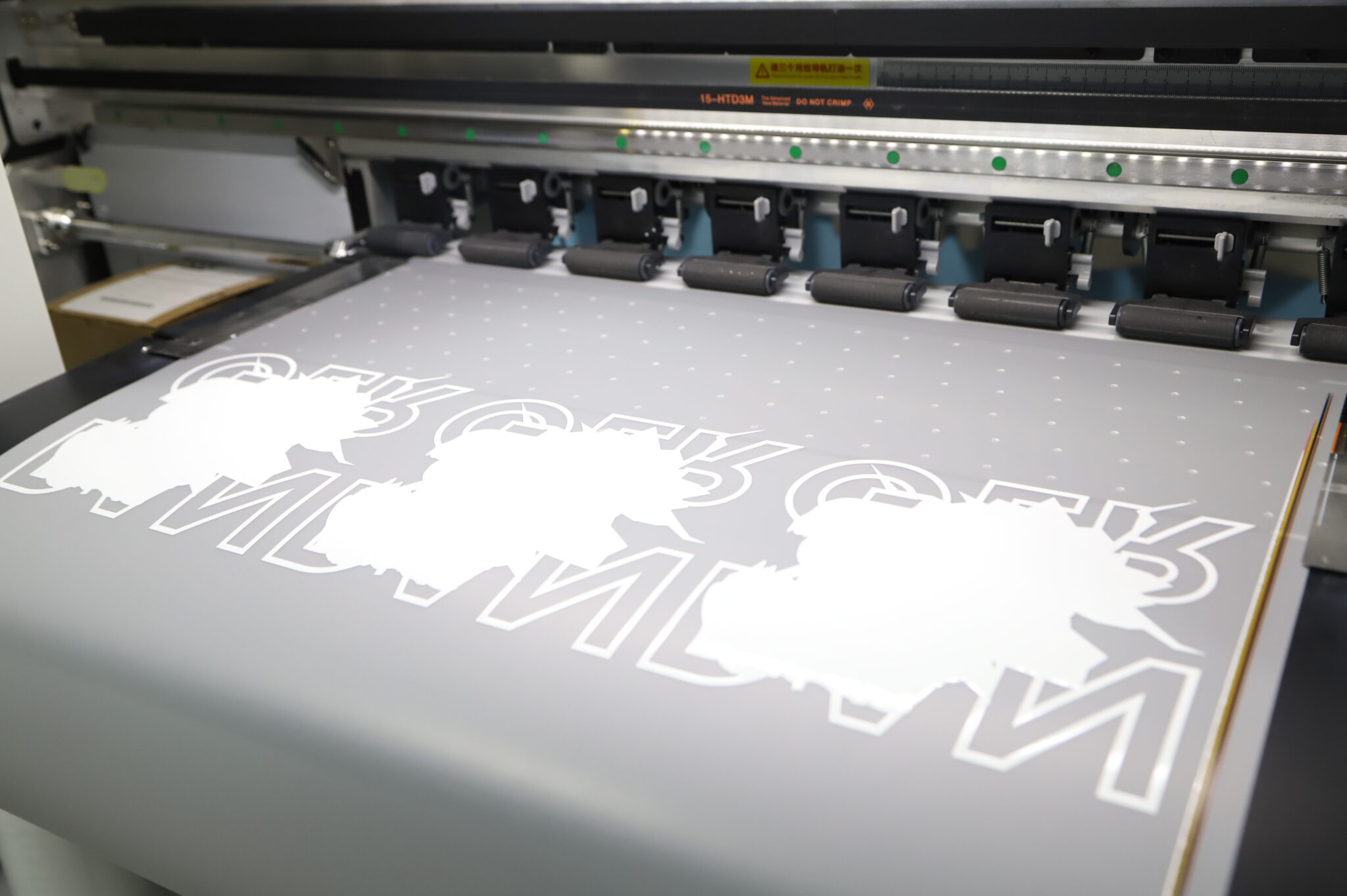
Why Two Print Heads Beat One When Buyers Want Speed and Calm
On a humid June morning in Tejgaon, a 180‑piece school order dropped at 9:10 a.m.; last season we spent 92 minutes from first pull to final cure—could twin nozzles fold that timeline in half? A dtf printer with the right balance of speed and control changed how my crew batches micro‑runs in Dhaka. When we migrated to a dual head dtf printer in 2023, I saw something quiet yet decisive: fewer stops, steadier white, and a rhythm the operators could trust (besh shundor). I’ve spent over 15 years in the B2B garment supply chain, and I keep score in minutes, misprints, and returns. Screen printing still shines on huge volumes, but burning screens, dialing off‑contact, and chasing pinholes wastes hours on short runs. Single‑head DTF improved that, but high‑chroma files and dense underbases forced slow passes; the queue crawled. With dual heads, our CMYK+W stack ran in parallel, RIP software fed the job without choking, and the curing oven received a more even roll of PET film. To be honest, the change felt less like “more speed” and more like fewer stumbles—little frictions I had learned to accept. I measured a 23% drop in rejects across three campuses in June–July 2023 and a 36‑hour cut in weekly lead time. See where this is going—toward reliability, not just rate.

Where does the downtime hide?
It hides in white‑ink purges, in head wipes, in micro‑banding you only spot once heat hits the adhesive. With single‑head setups, the white underbase often drags the pace; every pause lets pigment settle, and then you lose five more minutes to “just to be safe” maintenance. Then it stalled. Dual‑head staging changes that pressure: one head lays white, the other rides color, so you don’t overload a single channel with duty cycles. Less stress on nozzles, fewer emergency cleans, fewer PET film strips tossed when the gradient steps out of line. On a Friday in June 2023, we printed 240 tote transfers for New Market; two head wipes total, zero requeues, and the adhesive melt looked glassy under inspection. That steadiness buys you something simple yet rare in production: confidence. It’s not magic—ink still separates, humidity still bites—but the floor stops bracing for the next hiccup. And that frees buyers to order in truer sizes, not padded “just in case” buffers. I’ll keep it short: the old way costs attention; the twin‑head way returns it. Now, I’ll place these gains against what you’ll need next.

Comparing Today’s Gains to Tomorrow’s Demands
What’s Next
Looking forward, I judge hardware by how it holds quality at speed—under pressure, not on a spec sheet. Wait—numbers matter. A modern dual head dtf printer with dependable white‑ink recirculation and a stable vacuum platen keeps the underbase opaque without cranking pass counts, so color rides cleaner and gradients stay faithful. That’s the arc: fewer emergency cleans, smoother lanes for the queue, and operators who don’t hover. Compared with single‑head units and legacy screens, we’re trading setup rituals for throughput that survives real files, not only test charts. Hidden pain points—humidity drift, uneven laydown at the film edge, RIP choke on layered vectors—lose their sting when both heads share the load and the profile nails dot gain. My advisory to wholesale buyers is plain and measurable: 1) Throughput at the quality you’ll actually use—time a 50‑piece run at your standard 6–8 pass on a dark poly tee and record the true minute‑per‑sheet; 2) White‑ink system discipline—track recirculation intervals, purge volume per shift, and coverage uniformity across the sheet; 3) Recovery from interruption—how many seconds from pause to first clean print, including nozzle check and RIP wake. If these three stay tight over a long morning—say, 9:00 to 1:00 in June humidity—you’ll keep margins steady and promises kept. I’ve seen this hold across three sites, and the relief on the line is real. For buyers who want less noise in the day and more certainty in the ship window, this is the path that, quietly, pays back. Xinflying