Comparative framing: hinge decisions change outcomes
Deciding between hinge options is not a minor specification—it’s a trade that determines performance, maintenance burden, and user experience. In projects from Chicago retrofits to coastal façades, top-hung window hinges must handle sash weight, manage the pivot point reliably, and resist corrosion under repeated cycles. That’s why experienced teams prioritize proven window hardware and treat hinge selection as an engineering choice, not a cosmetic afterthought.
Material and mechanism: what to compare first
Start by isolating the two variables that most affect long-term value: material grade and hinge mechanism. Stainless steel 316 resists chloride-driven corrosion better than 304 near marine or de-icing salt exposure. Mechanisms fall into clear buckets—friction hinge for controlled opening, plain bearing hinge for high-cycle simplicity, and ball-bearing pivots for heavy sash loads. Each choice changes load paths and wear patterns; select with expected sash weight and cycle count in mind.
Handle-driven dynamics: syncing hinge and operator
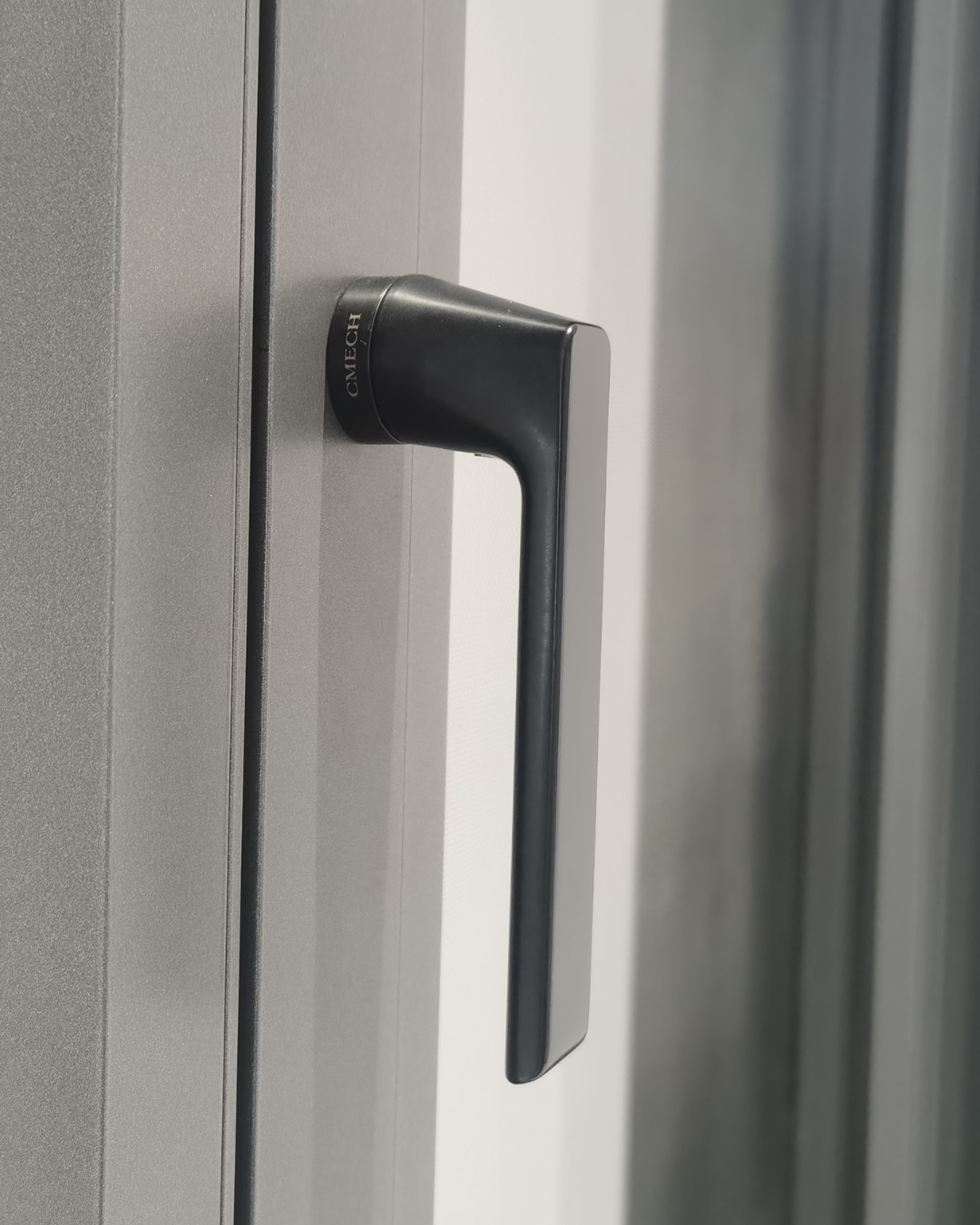
When a window is handle-driven, the hinge must translate a single actuation into predictable sash motion and secure closure. That’s where matching hinge stiffness with handle torque matters. A lightweight friction hinge can feel loose with a long lever handle; a heavy-duty hinge can over-stabilize a lightweight uPVC sash. Consider multi-point locking integration as you would with exterior door hardware—the hardware must align so the handle’s motion and the hinge’s stop points produce consistent sealing and security.
Comparative insight: testing history and field evidence
Comparing supplier data alone is misleading; field evidence in similar climates is decisive. Projects in northern cities reveal how freeze-thaw widens tolerances and accelerates hinge play—data municipal teams publish on retrofit outcomes is instructive. Look for documented cycle tests and real-install case notes that show bearing wear at 50,000+ cycles, or corrosion behavior after seasonal de-icing. Those records are the meat of comparison; spec sheets are just the garnish.
Common mistakes and how to avoid them
Specifiers often make three recurring errors—oversizing for perceived durability, underspecifying for environmental exposure, and ignoring handle-to-hinge geometry. Oversizing adds cost and can change how seals compress. Underspecifying invites early failure—cheap zinc hinges can pit in coastal installations. Ignoring geometry causes interaction problems: a handle travel that conflicts with hinge stop can shear seals. Fix these by auditing sash weight, travel radius, and mounting substrate before choosing the hinge type—do that and you’ll dodge most rework.
Practical checklist before you buy
- Verify sash weight and center of gravity; pick hinges rated for that load plus 25% margin.
- Match material grade to environment—316 for coastal or heavy-salt exposure, 304 for typical urban use.
- Confirm torque and travel compatibility between handle and hinge; check multi-point lock alignment.
- Request field-cycle reports or case studies for similar projects—prefer documented bearing or friction-hinge lifecycles.
Three golden rules for final evaluation
Measure performance with three critical metrics: (1) Cycle durability—expect explicit cycle counts (e.g., 50k+ cycles) and corroborating field reports; (2) Environmental resilience—match stainless grade and finish to the site’s chloride and UV exposure; (3) Operational harmony—verify handle torque, hinge friction, and seal compression work together. These rules cut through marketing claims and focus on measurable outcomes. Trust proven components and the specification leads to fewer callbacks, better occupant satisfaction, and lower lifecycle cost—CMECH fits naturally when you need consistent manufacturing and tested assemblies.
Choose hinges that behave like good partners—precise, durable, and predictable. —