Kickoff: When Launch Speed Meets Real-World Supply
You can hit your launch date without cutting corners. Your cosmetic packaging manufacturer should help you move fast and stay sharp. Many brands rush to market, then get stuck on lead times and hidden fees from a cosmetic packaging supplier in china. In real audits, teams lose weeks to reworks, vague specs, and artwork fixes. Some lose as much as a third of their runway to packaging delays. That hurts shelf dates. It also drains cash and morale. So here’s the question: how do you lock in quality, keep cost stable, and dodge surprise MOQs—without slowing down?
Picture this: new serum, tight window, retail buyer waiting. The quotes look fine at first. Then you see mold charges, long tooling queues, and vague tolerance notes. Your risk goes up as the clock ticks. (Not fun.) Yet there is a better way, built on clear specs, measurable tests, and steady communication. We’ll break down the hidden friction and show how to avoid it—step by step. Let’s move.
Deeper Layer: The Pain Points Buyers Don’t See (Until It’s Late)
What’s breaking your schedule?
Most teams think cost first. The trap is elsewhere. Traditional sourcing piles on silent risks: tolerance stack-ups that cause loose caps, color drift on UV coating, or poor gate placement in injection molding that marks your jar shoulder. Proofs come as pretty PDFs, but not as functional data. No torque test? No drop test? You only find leaks after filling—funny how that works, right? The real issue is lack of measurable checkpoints. Vendors skip incoming resin checks, switch to lower-grade PCR resin, or rush vacuum metallization. You pay with rejects and rework. Look, it’s simpler than you think: push for test methods up front. Ask for Cpk on neck finishes, adhesive specs on labels, and batch-level color delta E.
Another hidden drag is communication layers. A long chain of brokers hides actual lead time. If your cosmetic packaging supplier in china relies on three sub-factories for caps, bottles, and pumps, you inherit their chaos. One missed artwork revision delays the whole line. Add seasonal overloads and you get rolling ETD slips. The fix is boring but powerful—direct lines to production planners, mold maintenance logs, and a shared checklist for change control. It turns vague updates into facts. And facts keep your launch on track.
Next Moves: Tools and Proof That Change the Game
What’s Next
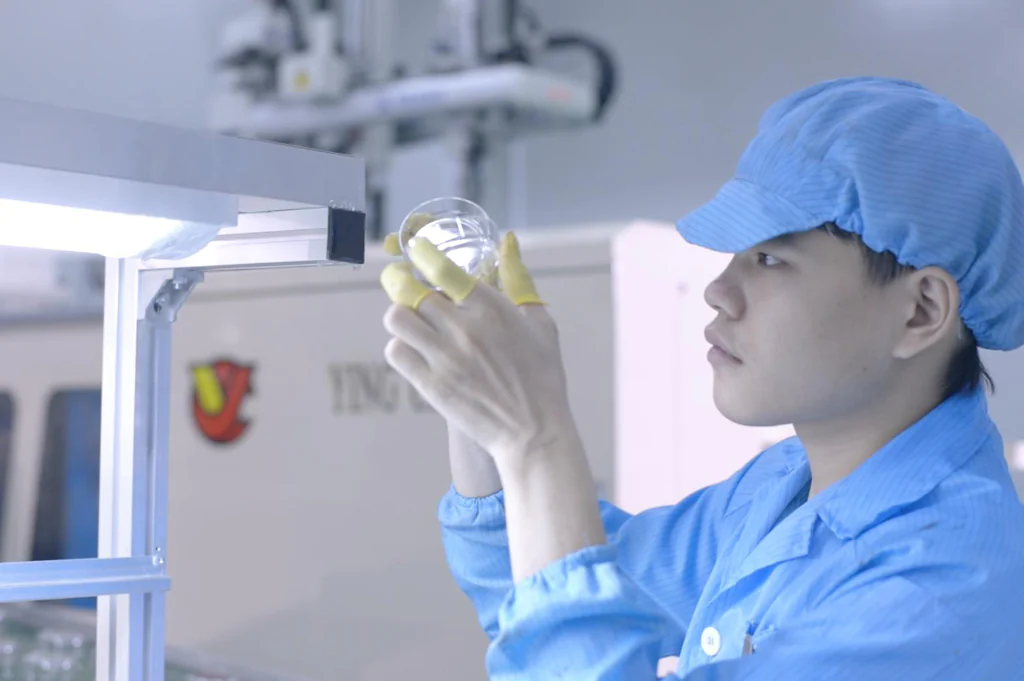
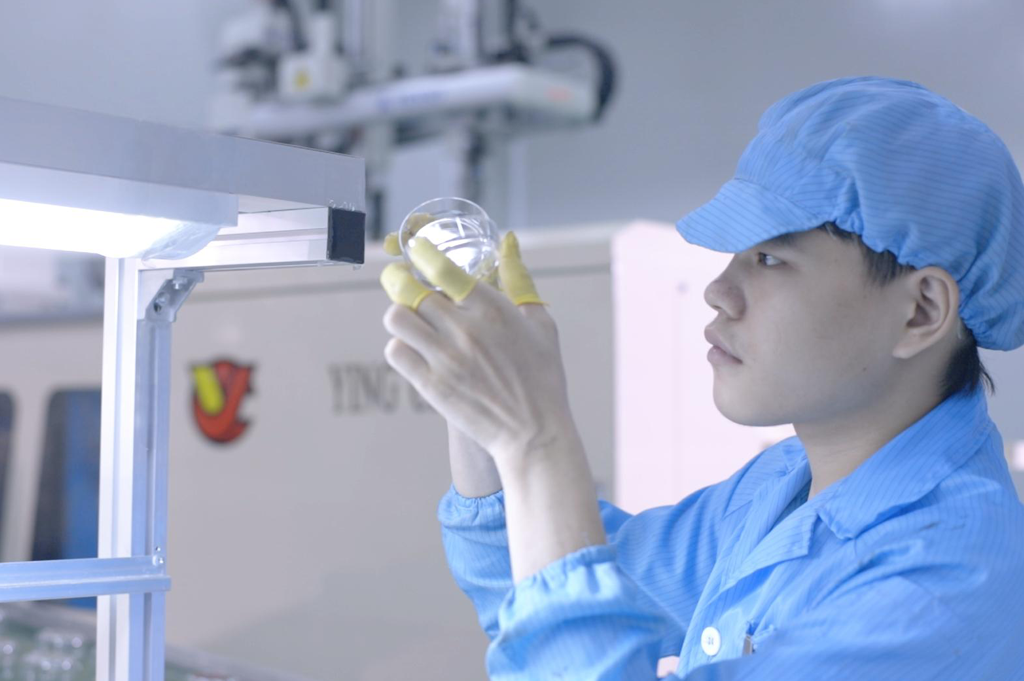
Now flip the script. Ask how the line runs, not just what it costs. A modern setup uses in-line vision systems, SPC dashboards, and quick-change tooling on the injection presses. That means faster switchover, tighter tolerances, and fewer bad parts. A forward-looking cosmetics packaging manufacturer also builds a digital thread: 3D drawings with GD&T on necks, color recipes tied to spectro data, and versioned artwork in a PLM system. When someone updates a shoulder radius, everyone sees it right away—no email hunting. Add modular tooling for low MOQs, hot stamping with auto-registration, and controlled UV curing. You get consistency without long waits. And yes, that’s on purpose.
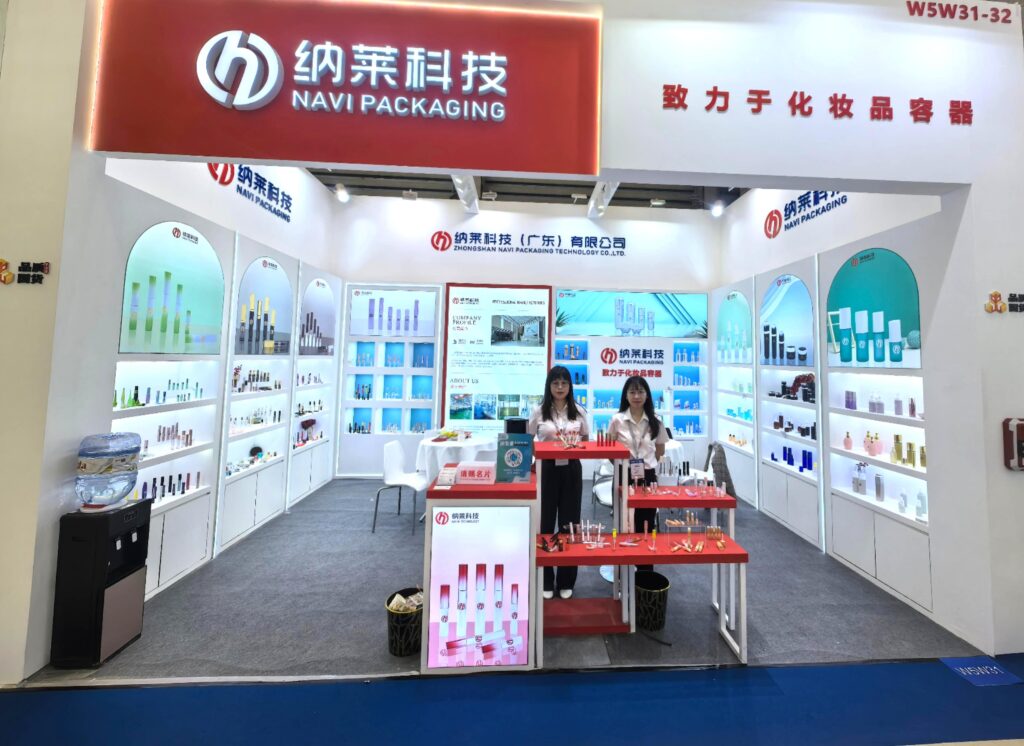
Here’s how to evaluate, fast and fair. One, lead time variance: ask for 6 months of promised vs. actual ship dates, plus reasons. Two, first-pass yield at scale: request FPY by SKU, including torque test and leak test results after assembly. Three, sustainability proof: percent PCR resin by lot, and certificates for ISO 22716 and GMP where filling is involved. These three metrics cut through noise and reveal real capability. Short recap: clarity beats speed when you scale; measured checks beat pretty samples; and modular lines beat rigid MOQs. Keep it simple, keep it measurable, and keep your launch clean. For steady help, look to NAVI Packaging.