Introduction: A Porch Talk About Shape and Sense
I was leaning on the fence at daybreak when a neighbor asked if a small bump on a nose could be smoothed without surgery. Hyaluronic acid gel can do a lot of quiet fixing, I told him. Recent clinic surveys show steady demand, and satisfaction stays high when technique and product match. Folks hear about nose filler injections and think it’s like patching a fence post—just put more in. But outcomes swing on details like gel rheology and the right injection plane. Out here we say, measure twice, cut once (same rule applies to faces). If the gel is too stiff, it may look sharp but feel wrong; too soft, and it spreads where you don’t want it. So the real question is simple: how do we choose and place a gel that holds shape, stays put, and stays safe—without fuss? Let’s walk through what usually trips folks up, then how the newer ideas fix it—funny how that works, right?
Hidden Snags in Nose Work: The Quiet Flaws of “Old Reliable”
Why do old tricks misfire?
Let’s keep it plain. The nose needs contour, not volume. Many traditional routines lean on thick gels and deep passes, thinking “stiffer is safer.” In truth, a high G’ (storage modulus) can prop shape, but too much cross-linking density can create edges you don’t want. Look, it’s simpler than you think. If the gel doesn’t have cohesive strength, it can migrate under pressure, especially along the dorsum. If placement ignores the midline and the right plane, you risk asymmetry. A blunt microcannula helps reduce trauma, but the tool alone can’t fix poor planning. And when the gel isn’t matched to tissue tension, swelling reads as shape—until it settles. Then the shape is gone.
There’s more. Monophasic versus biphasic gels behave differently under shear. A gel with the wrong particle size or weak thixotropy can clump or spread. That affects the perichondrium and the skin envelope. In higher-risk spots, a tight bolus can compress vessels—so flow and mapping matter. The fix is not “more gel,” but better gel behavior and precise tracks. Use hyaluronidase know-how as your safety net, sure, but aim not to need it. Choose rheology that supports lift with minimal product, and respect cannula path and depth. Small passes, midline focus, slow pressure. It’s steady work, like laying drip lines in a field—one row at a time.
Comparative Insight: Today’s Principles vs. Tomorrow’s Practice
What’s Next
Here’s the forward look. Newer hyaluronic acid systems tune the polymer network so the gel is firm at rest but shear-thinning under the cannula. That means it moves when you push and stays when you stop. Cohesivity keeps the line clean along the dorsum, and optimized osmolality helps calm tissue response. Compare that to older gels that rely only on stiffness: they may lift, but they can read as “stacked.” Ultrasound guidance is entering routine practice, too—map first, then thread. The same science extends to other areas; buttock filler injections demand load-bearing gels with different G’, but the idea is the same: tuned networks, predictable flow, and clear planes. Different jobs, same respect for physics—and timing.
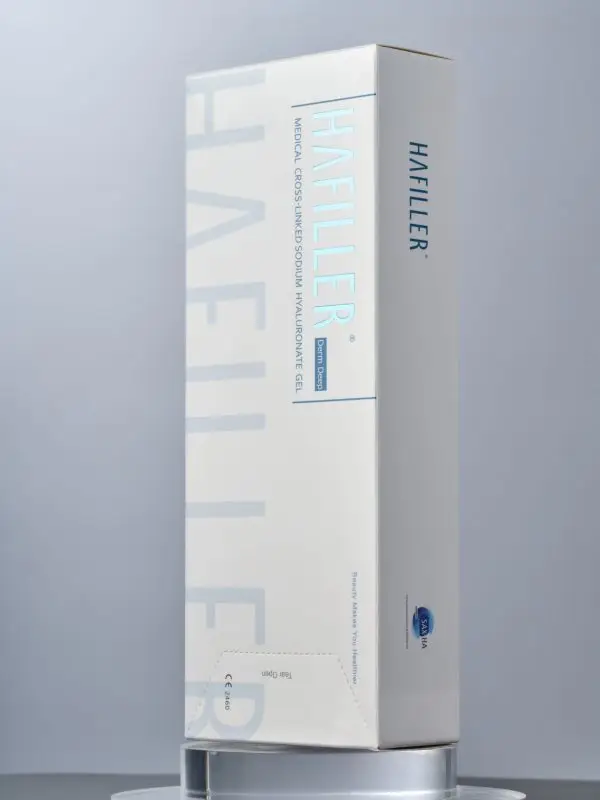
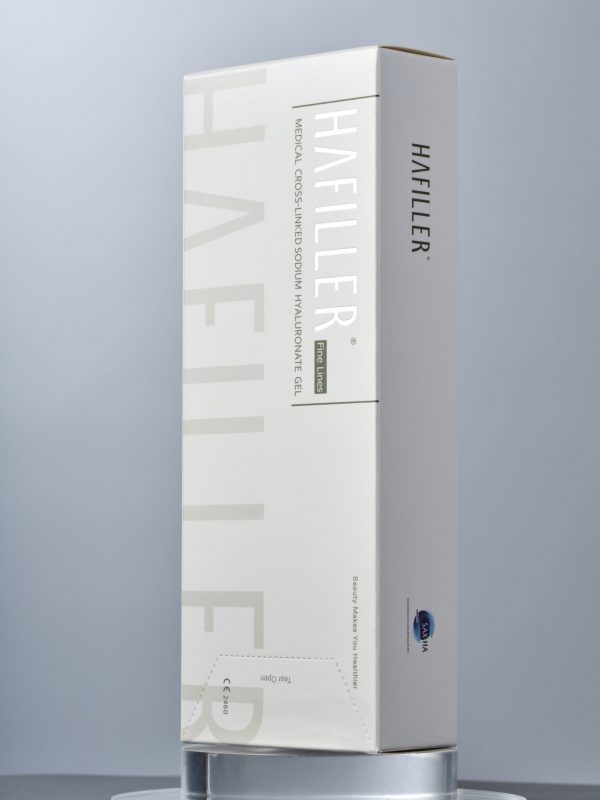
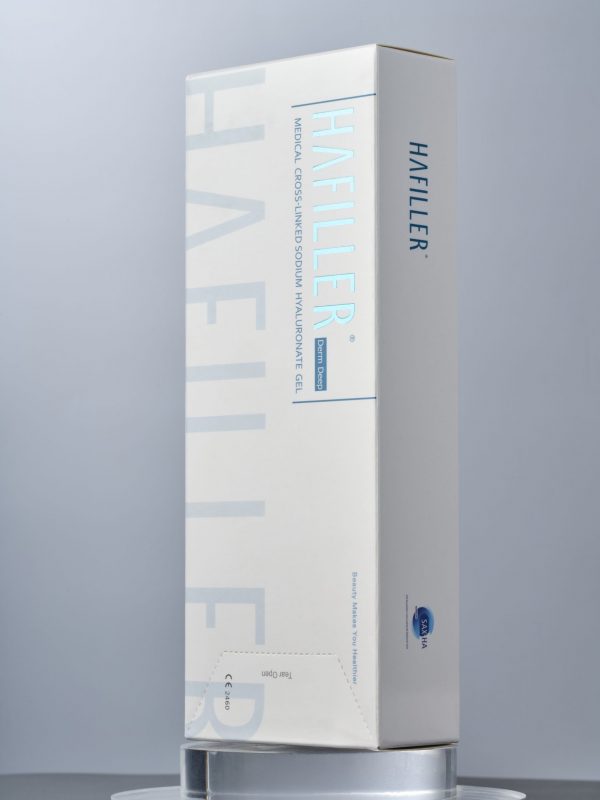
So where does that leave us? We learned that “thicker” isn’t smarter, placement beats quantity, and gel design matters. Now, measure outcomes with a farmer’s honesty. Advisory close: First, test the gel’s rheology fit—G’, cohesivity, and how it behaves under shear—so it matches the nasal contour task. Second, check procedural control—cannula compatibility, injection plane discipline, and ultrasound mapping when needed. Third, verify reversibility and stability—predictable response to hyaluronidase, low swelling profile, and steady shape at 3–6 months. Keep those three, and you’ll avoid most surprises—right when you least expect it. For steady learning and materials that follow these principles, see HAFILLER.