
Introduction: A Morning That Didn’t Go as Planned
I remember walking into a clinic where half the clients left feeling puzzled — not relieved. A red light bed sat in the corner like a promise that hadn’t been kept. Recent surveys show many users stop therapy inside three weeks because results feel uneven or the sessions are inconvenient (and yes, compliance matters). So, what happens between the shiny marketing and the real-day experience?
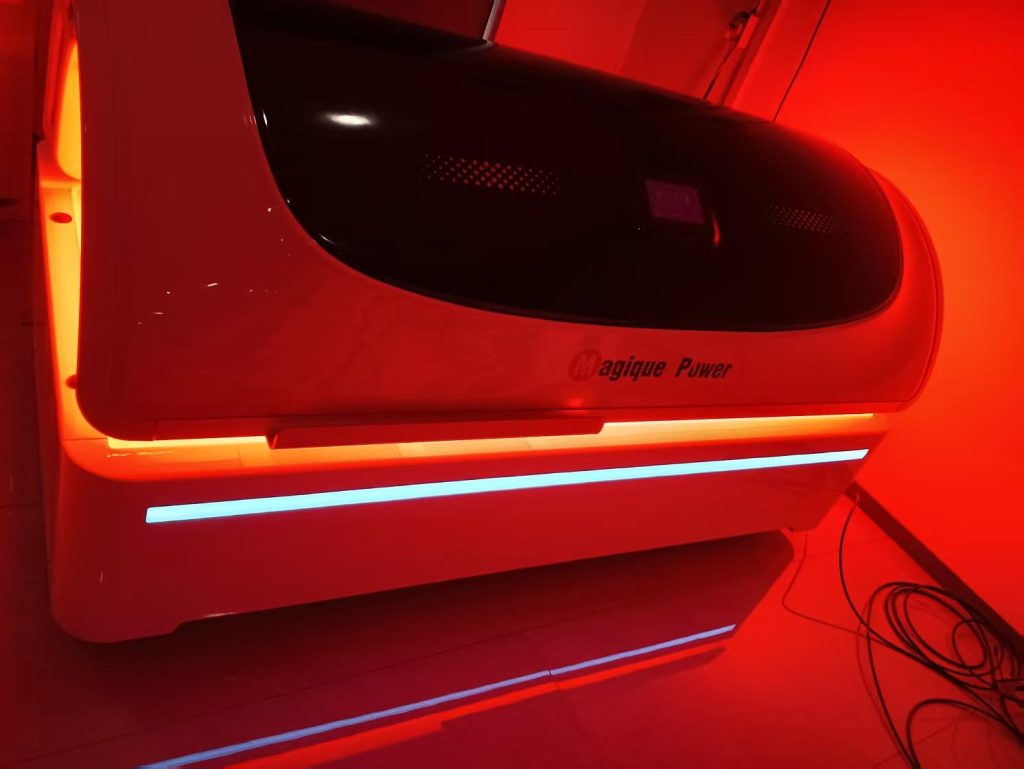
When I talk about a red light bed, I mean the whole setup: the LED array, the session timing, the control logic, and the human routine. I’ve seen effective setups and ones that under-deliver because of small, fixable design choices. Data from small clinics suggests that session irregularity and inconsistent irradiance are the main drivers of dropout. That raises a clear question: how do we design a routine and system that people will use — and that will actually produce predictable outcomes?
In this piece I’ll walk through what I’ve learned: where common approaches fail, the hidden user problems that rarely make it into product spec sheets, and the practical checks you can use to pick devices or design sessions that work. I’ll also flag a few industry terms — wavelength, irradiance, power converters — so you can talk to vendors without getting lost. Ready to dig in? Let’s move from the clinic floor to the technical and human details that matter next.
Part 2 — Where Things Break: Technical Flaws and User Pain Points
What’s actually causing poor results?
To start technically: when I look at a red light therapy pod, I break it down into its core functions — light delivery, thermal management, timing control. If any one of those is weak, the whole experience suffers. Wavelength mismatch and low irradiance are the usual culprits. Photobiomodulation depends on delivering the right dose at the right wavelength; if the LED array doesn’t match specs, you get a placebo-like effect instead of biological change.
Another common failure is power management. Cheap designs skimp on power converters and heat sinks, which means LEDs run hot and dim over time. Users notice variability. They feel sessions one day and nothing the next. Look, it’s simpler than you think: consistency beats flashy numbers. From a user perspective, pain points also include posture discomfort, session timing that clashes with daily life, and confusing controls. I’ve sat with patients who told me they stopped because using the device felt like a chore — not therapy. That’s a design problem as much as an engineering one.
Part 3 — Looking Forward: Principles and Practical Metrics
What’s Next?
Moving forward I favor a principles-first approach over chasing features. For a new generation of red light therapy pod designs, the priorities should be: reliable wavelength delivery, stable irradiance across the treatment surface, and user-centered ergonomics. Those principles guide everything from how we spec LED arrays to how we design session workflows. I believe the future is less about louder marketing and more about predictable, repeatable outcomes that integrate with a user’s life.
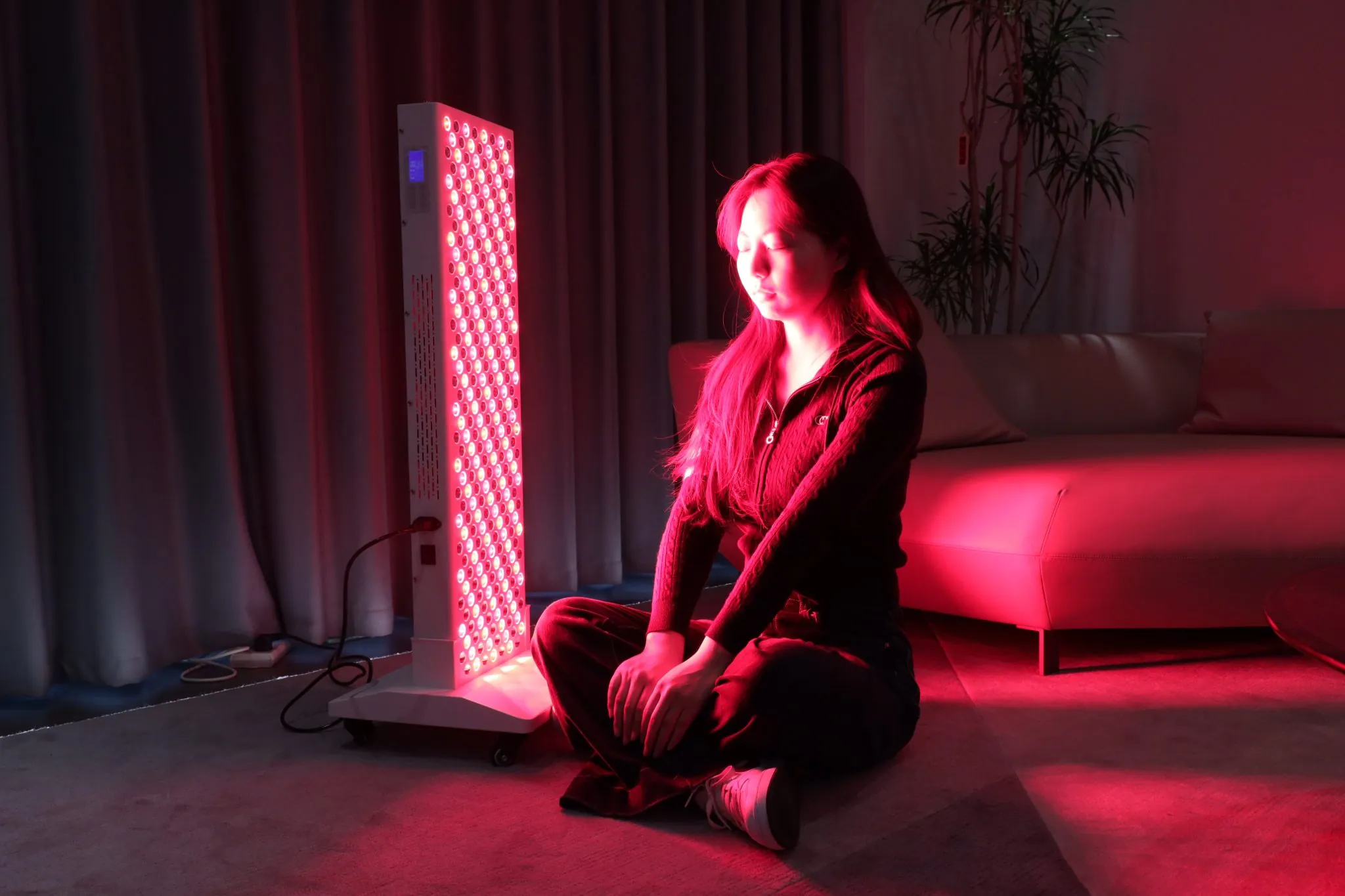
Practically, here are three evaluation metrics I use when advising clinics or choosing devices. First, measure delivered irradiance (not just peak output) across the whole treatment surface. Second, assess wavelength stability — are the LEDs within the therapeutic band consistently? Third, check system-level reliability: power converters, thermal design, and session logging. These metrics tell you whether a device will be used and whether it will deliver over months. — funny how that works, right?
We also need to humanize the process. I recommend short onboarding sessions, clear timing guidance, and a simple app or printout showing progress. That reduces friction and keeps people engaged. If you balance the hard specs with soft usability, you’ll see better retention and measurable outcomes.
In closing, I don’t think a red light bed has to be mystical or complicated. Focus on consistent irradiance, the right wavelength band, and the people who will use it. Those are the levers that move results. If you want a practical partner in both spec and service, check what Magique Power offers — they aim to tie engineering rigor to real-world use. I’ve seen small changes yield big improvements, and that’s why I care about this stuff.
