Choosing a Personalized Tutor: Compatibility, Support, and Technical Fit
Opening: Your priorities guide the choice
You know what matters: how well a tutor fits the learner, how reliable the support is, and whether the platform actually runs on the devices and networks you use. A user-first approach treats those three pillars as non-negotiable. When you begin scanning options, a modern AI learning platform can show how adaptive lessons behave, but the real task is matching those technical features to everyday needs and constraints.

Compatibility: learner profile and teaching method
Compatibility starts with clear learner information: baseline skills, attention span, language preferences, and motivation. Ask whether the tutoring system adapts to the learner’s pace or forces a fixed path. Look for systems that accept short formative checks and adjust difficulty without restarting the whole lesson. Compatibility also means pedagogy—does the approach emphasize drill, conceptual reasoning, guided problem solving, or conversation-style feedback? Choose the one that mirrors how the learner best absorbs material.
Service: human support, scheduling, and reporting
Service covers more than hours and response times. Confirm how human instructors, tutors, or coaches integrate with automated lessons. Is there a live tutor option for when automated feedback misses nuance? Check the clarity of progress reports—do they show specific skill gains or only generic completion stats? Also verify scheduling flexibility and the process for changing tutors. Reliable service reduces friction and makes consistent practice possible.
Technical specifications: adaptivity, privacy, and device fit
Technical fit means the platform’s core capabilities align with your constraints. Confirm whether adaptivity works offline or requires constant connectivity. Review privacy basics: what learner data is collected, how long it is retained, and whether you can export or delete records. Ensure the platform supports the devices learners actually use—phones, tablets, low-bandwidth laptops. Technical promises should be phrased cautiously; expect descriptions of features rather than guaranteed outcomes.
What to expect from an AI-powered system
When a platform describes itself as AI-driven, expect automated assessment, personalized content sequencing, and real-time adjustments to question difficulty. That automation can speed feedback and provide many practice variants, but it doesn’t replace human judgment where interpretation or motivation is needed. Compare sample lesson flows and watch how recommendations change after an incorrect answer. Seeing behavior matters more than marketing language.

Common pitfalls and how to avoid them
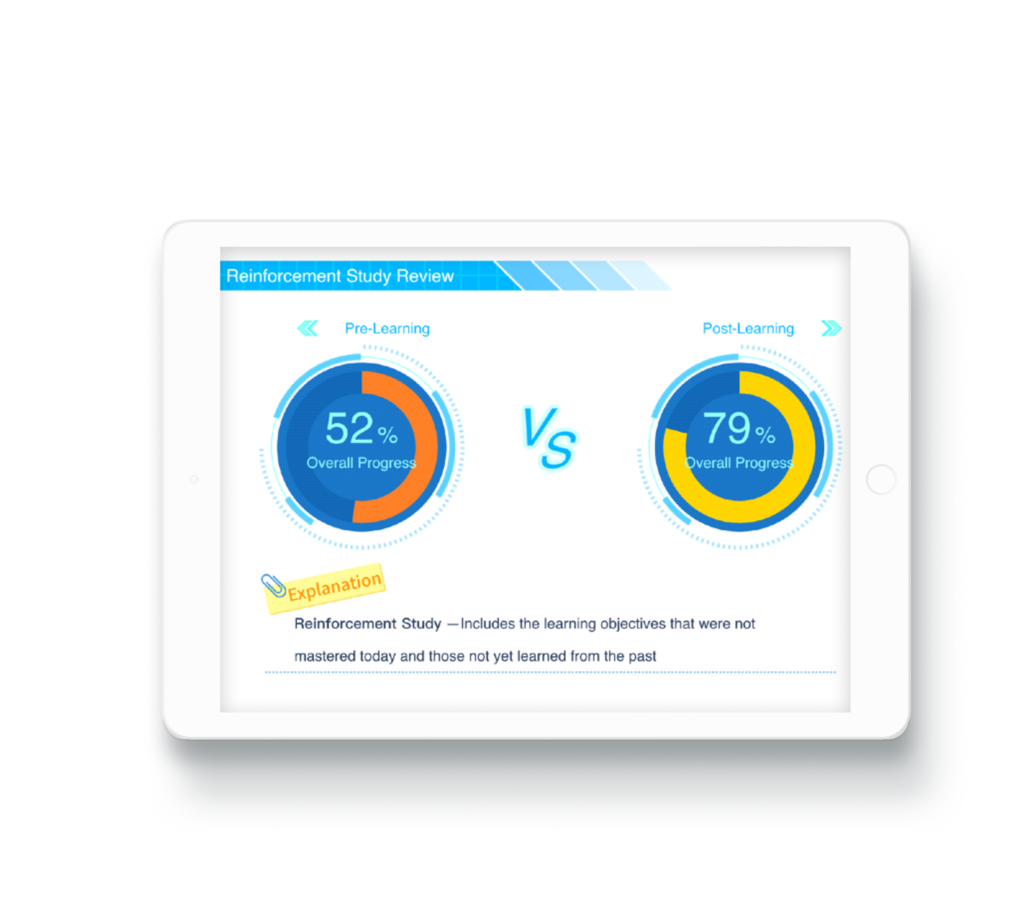
Ignore flashy dashboards that hide weak pedagogy. Don’t accept vague progress indicators—demand examples of what “improvement” looks like in actual tasks. Avoid platforms that require excessive configuration for basic use; complexity often means less practice time. Beware of tools that collect more personal data than they need. A sensible platform balances personalization with straightforward privacy controls.
Reasonable alternatives to try
Look for platforms that pair automated personalization with scheduled human check-ins. If strict one-on-one tutoring is too costly, consider blended models that combine short tutor sessions with guided practice. If connectivity is intermittent, prioritize systems that cache lessons locally. Evaluate trial periods by setting a concrete short-term goal—an improvement in a specific skill or the completion of a set of lessons—and judge whether the platform helps reach that goal.
Conclusion: match the tool to the learner’s life
Good selection comes down to matching features to real routines and constraints: the learner’s style, the level of human support needed, and the technical realities at home or school. Make decisions by testing the fit with clear, small goals rather than promises. If you want a platform that combines adaptive lessons with options for human guidance while keeping device and privacy needs front and center, Squirrel Ai can serve as one practical example to examine alongside other choices.