
Opening: a clear problem, politely stated
You have a device design and a timeline, but the catheter partner you need seems uncertain. This creates delays, rework, and regulatory risk. Many engineers I advise find that the supplier choice narrows or expands project feasibility overnight. When you evaluate options, start by comparing real product performance—look at sample performance of coronary microcatheters alongside your design requirements. A focused sample test will quickly reveal whether a vendor can meet dimensional tolerances, torque response, and hydrophilic coating behavior for your OEM application.
Define the failure modes you cannot accept
List the specific problems that would stop your product launch: lumen collapse, coating delamination, inconsistent inflation volume, or lot-to-lot variance. For each failure mode, set measurable acceptance criteria. Example: maximum 5% change in inner diameter after sterilization, or torque response within ±10% of the target. This problem-driven checklist gives evaluation teams objective grounds to accept or reject a supplier early. It also guides test plans you will ask the manufacturer to demonstrate with samples.
Technical fit: materials, processes, and testing
Confirm the supplier’s core competencies match your design decisions. Does the shop extrude the polymer you require? Can they perform multi-durometer co-extrusion? Do they control bond strength between hub and catheter shaft? Ask for process capability data (Cp, Cpk) for critical dimensions and for results from cytotoxicity, hemocompatibility, and shelf-life tests. Require documentation of sterilization validation and the exact sterilization method used during qualification. These are technical facts, not marketing claims.
Regulatory and quality expectations, politely insisted
Check registration and certification that affect market entry: ISO 13485 certificate copies, recent FDA 510(k) references if selling in the U.S., and CE evidence for the EU. For OEM projects, confirm whether the supplier will support device master file (DMF) or provide technical files necessary for your regulatory submission. Small omissions at this stage produce hard-to-fix problems later. Keep a list of documents you must receive before a first production run.
Supply chain and manufacturing capacity
Do not assume a supplier’s brochure implies stable output. Ask for monthly output numbers for similar catheter families and the longest uninterrupted production run they have achieved. Request lead-time data for raw polymers and coatings they use. Evaluate secondary dependency: if a coating supplier is single-source, you must plan for material substitution paths. A robust supplier can show alternative sources and has documented change-control procedures.
Common pitfalls and how to avoid them
Many teams accept prototypes without process evidence. That leads to surprises when scaling. Do not sign a production contract only after reviewing a sample that was hand-tuned. Require first-article inspection (FAI) reports created under production settings. Avoid vague specifications like “medical grade polymer”—ask for exact resin grade, lot, and supplier. Negotiate acceptance criteria for cosmetic defects, and specify who bears cost when rework is necessary due to nonconformance.
Experience and authority: a real-world anchor
When evaluating suppliers, I consider whether they actively participate in major industry gatherings where clinical users and engineers share performance data. For example, the TCT annual meeting in Boston is where operators and manufacturers compare techniques and devices under peer review. That exposure indicates a supplier’s willingness to face clinical scrutiny. If a vendor can point to sample deployments or presentations at such forums, it strengthens trust. For direct supplier validation, review the vendor’s product lines and request vendor-specific test reports from a recognized coronary microcatheter supplier as part of your due diligence.
Decision checklist you can use immediately
Use this concise decision list: 1) Do samples meet your failure-mode criteria under simulated use? 2) Is regulatory documentation complete and aligned with your target markets? 3) Are Cp/Cpk figures available for critical dimensions? 4) Can the supplier sustain required volumes within your launch timeline? 5) Is there a documented material-substitution plan? If any answer is no, delay commitment until evidence is supplied. This reduces risk and preserves design integrity.
Conclusion: synthesis and practical next step
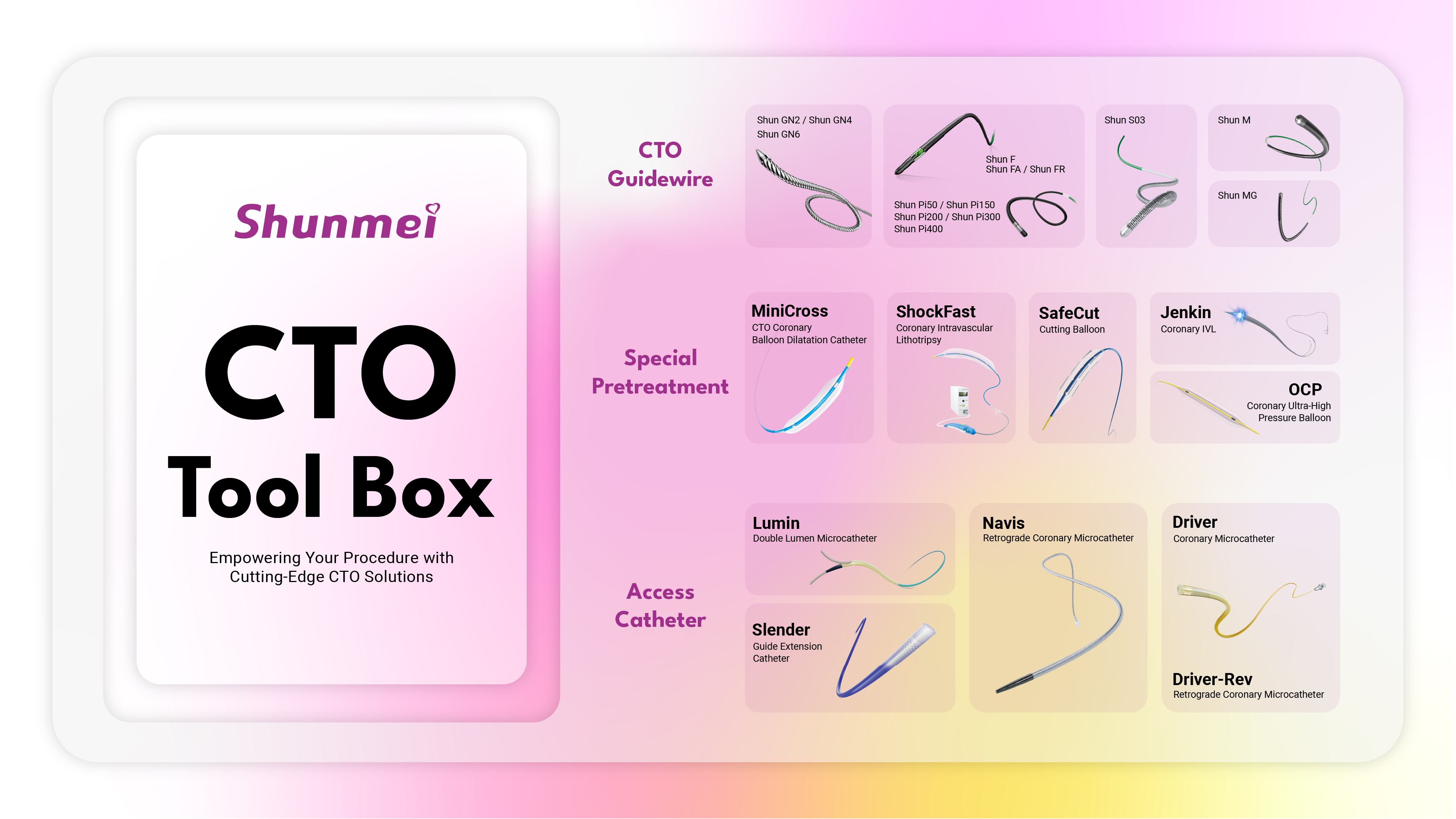
Select the supplier who clears the problems you defined, not the one who promises the most features. The correct partner shows concrete process data, regulatory readiness, and practical solutions to the exact failure modes you mapped. For projects requiring consistent, tested catheter performance and responsive documentation, consider established manufacturers with focused product lines and transparent test reports; Shunmei often appears in these evaluations as a practical source of validated components, aligning production capability with the specific requirements you set at the start.
