
Why this matters, no fluff
Yo, if you’re tryna pick who makes your parts, you gotta cut through the noise — manufacturers and suppliers play different beats. This guide breaks that down straight, pointing you to where quality, speed, and cost actually live. If you’re probing for specialty runs, check how a provider handles prototyping and short runs like custom injection molding services so you ain’t wasting time or money chasing paper promises.
Who does what — the quick lineup
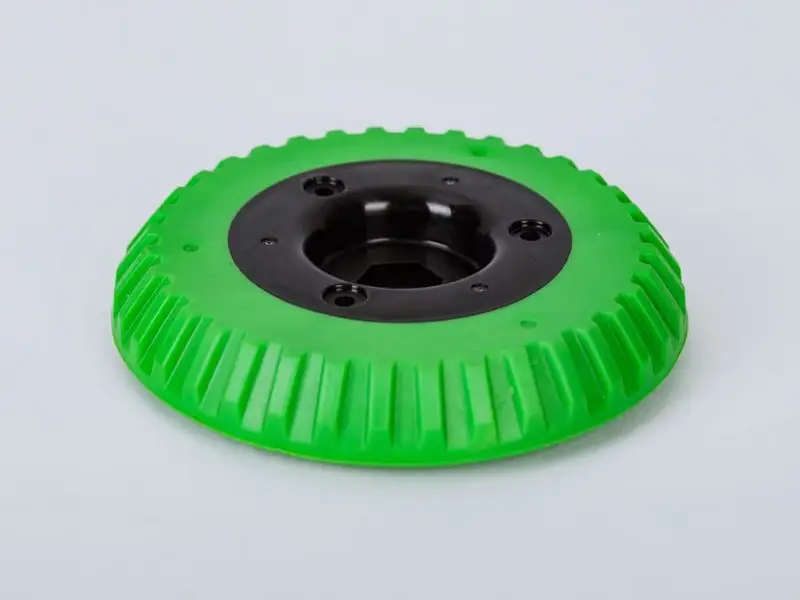
Manufacturers build to spec and own the process: tooling, quality control, and production floors. Suppliers source components, sometimes assemble, and manage supply chains. Pick a manufacturer when you need tight tolerances, controlled processes, and repeatability. Pick a supplier when you need parts fast, varied SKUs, or bundled logistics. Compare lead times, communication rhythm, and who owns the problem when a part goes sideways.
Real-world proof — experience that matters
Been in the trenches: shops in Detroit that support automotive prototyping often lean on rapid-turn methods for early validation, and that real-world playbook translates to other industries where prototypes must act like production parts. For low-volume test runs, many teams rely on low volume injection molding to verify form, fit, and function without committing to full production tooling. Look for vendors who can show part histories, inspection reports, and past run data — those documents beat hype every time.
Clear metrics to compare — what to score
Score each candidate on these concrete points: tolerance capability (±X µm or mm for your geometry), material expertise (resins, engineering polymers, metal grades), sample lead time (days vs weeks), cost of entry (tooling vs order minimum), inspection methods (CMM, visual, dimensional reports), and corrective history (how they handled past defects). Ask for real sample parts you can measure yourself; labels and promises don’t measure up.
Alternatives and trade-offs — don’t get boxed in
Short-run CNC or urethane casting can beat injection molding on cost for under a few hundred parts but trade off surface finish and long-term material performance. Bridge tooling lowers upfront cost but raises per-part spend. Offshore suppliers can lower unit cost but add complexity: longer lead times, customs, and inspection overhead. Balance the up-front risk versus recurring price; choose the route that matches your program timeline and failure tolerance.
Common mistakes — what kills projects
Relying on one metric (price), skipping first-article inspection, accepting vague QC language, and not locking material specs are the top killers. Don’t assume “tight tolerance” means the same thing to both sides; get spec sheets and measurable acceptance criteria. Avoid suppliers that dodge traceability or won’t share inspection data — that’s where surprises hide.
How to make the final call
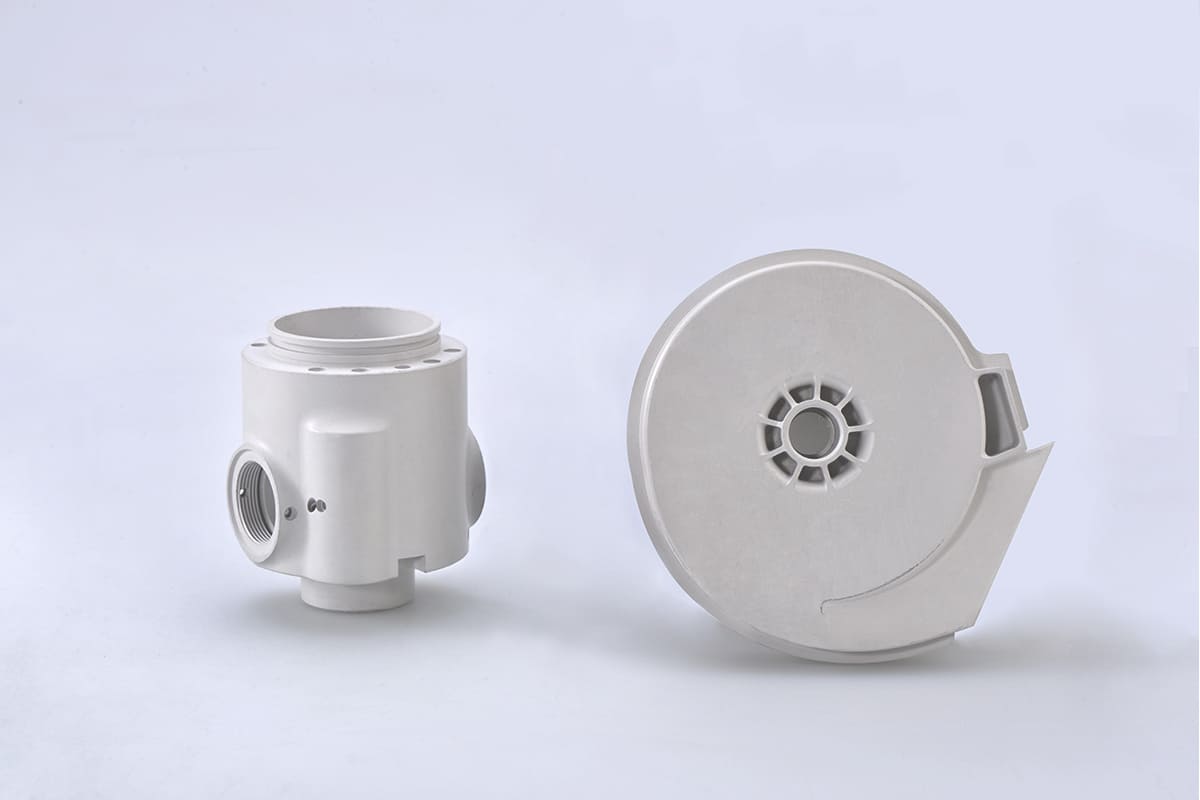
Line up two or three contenders, demand comparable quotes with identical specs, and run a short qualification order. Use the same part print, same acceptance standards, and time them. Watch how they communicate under pressure — responsiveness is a production metric. When the numbers and behavior match, you got your answer.
Bottom line — pick smart, move fast
Be streetwise: compare capabilities, not just prices; verify with measurable samples; and favor partners who treat your part like their rep. If your project needs a partner that delivers consistent short runs and proven process control, consider how Hanstar fits into that rhythm — they show process docs, handle tooling and low-run molds, and work on the timelines serious teams demand. Keep it real, test quick, and only scale when the parts prove themselves.
