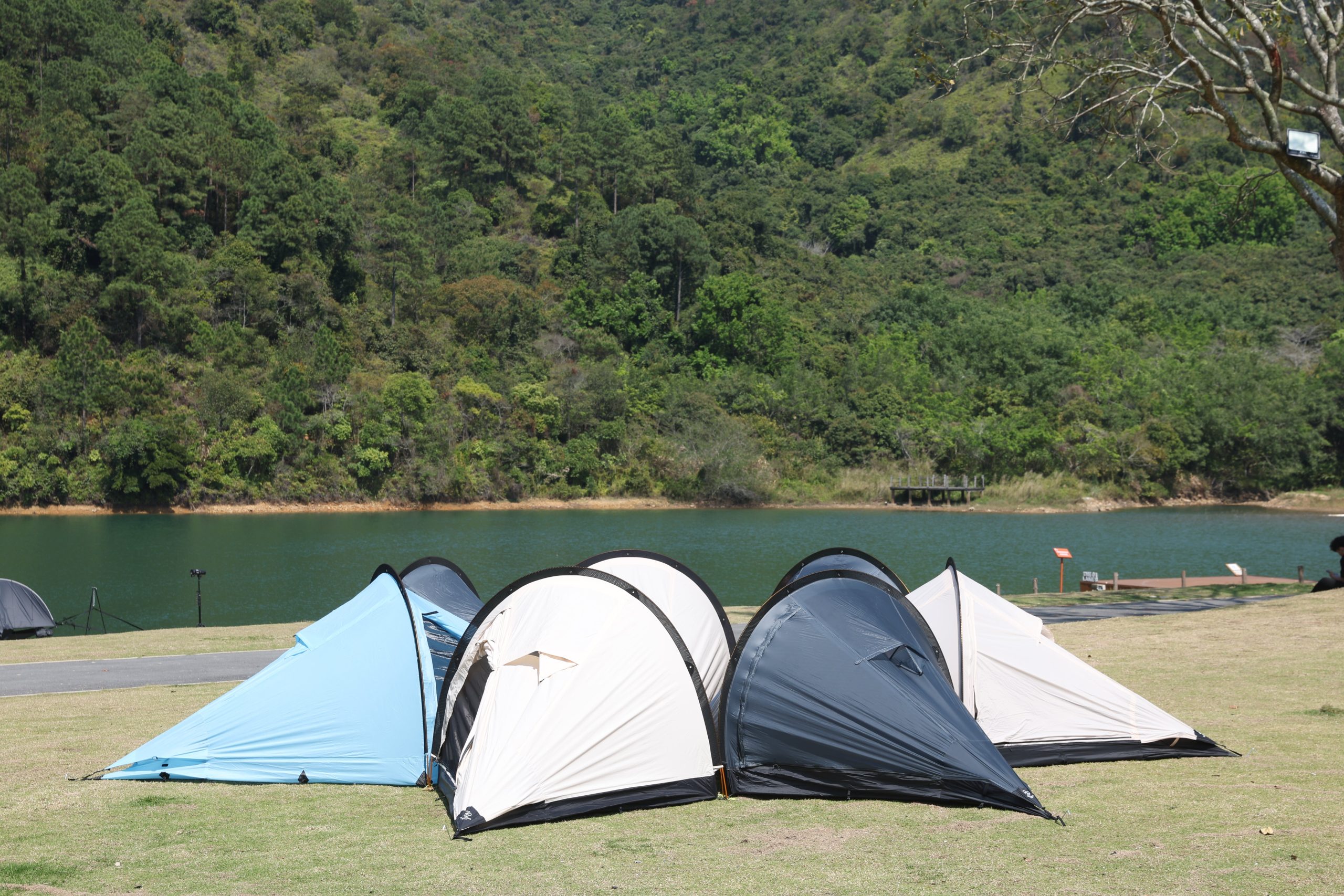
Executive summary and comparative premise
Start with one question: will the tent save weight without adding risk to your trip? This comparative analysis isolates the variables that matter to a disciplined buyer—grams, packed volume, wind stability, waterhead ratings, and expected lifespan—and ranks candidate approaches rather than brands. If you want a compact option for weekend fastpacks or multi-day routes, consider a pre-built camping tent bundle that bundles a shelter, stakes, and anchors to standardize performance across field conditions.

Comparative framework: objective metrics to measure value
Use three quantitative axes: weight-to-protection ratio (grams per square meter of sheltered floor), cost per season (purchase price divided by projected seasons of service), and failure rate under sustained wind (measured as percent of setups with structural compromise under 25–35 mph gusts). These metrics convert subjective claims into comparable data points. Expect trade-offs: lower weight usually increases fabric stress and seam vulnerability; higher hydrostatic head typically adds grams. Evaluate candidates by how they balance those trade-offs for your profile—speed, exposure, and maintenance budget.
Materials and construction: how to read specs like an analyst
Silnylon, Dyneema Composite Fabric (DCF), and lightweight polyester each have predictable performance curves. DCF reduces weight and stretch, improving packability and wind response, but it costs more and shows abrasion sensitivity on rocky campsites. Silnylon is heavier, stretches when wet, but repairs and patching are straightforward in the field. Look for taped seams, reinforced stake points, and quality zippers; these details determine service life more than marketing claims. Treat denier and hydrostatic head numbers as necessary inputs, not guarantees.

Stability and shelter design: quantifying risk
Shelter geometry dictates wind behavior. Single-pole designs save weight but concentrate load at fewer attachments, increasing risk during high-angle gusts. Double-pole and tunnel configurations distribute stress and often permit better vestibule space for gear. For exposed ridgelines or coastal sections where gust cycles are common, prioritize a design with multiple anchoring points and a low profile. Test setups in a controlled high-wind setting before committing to remote routes.
Field validation: real-world anchor and testing note
From five seasons of comparative field trials on sections of the Appalachian Trail, the decisive factors were setup consistency and serviceability; a minor tear fixed quickly preserves the trip, whereas a collapsed shelter ends it. During those hikes I used an ultralight backpacking tent 1 person to evaluate repairability, pack volume, and wind response across mixed terrain. The trials favored shelters that minimized single-point failure modes and offered accessible replacement components.
Cost analysis and total cost of ownership
Price alone misleads. Compute cost per season: divide purchase price by expected usable seasons based on typical use frequency and exposure. Add carriage costs—heavier tents increase fatigue and may require shorter daily targets or extra food, which ripple into trip cost. Factor a modest repair budget; inexpensive materials often demand more frequent repairs. For business-minded buyers, a slightly higher initial outlay for durability reduces replacement cycles and lowers lifetime cost.
Common buyer errors and operational mistakes
Buyers often fixate on headline weight and ignore setup complexity, small-parts fragility, and serviceability. Avoid these pitfalls: 1) assuming ultralight equals acceptable for all conditions, 2) skipping hands-on pitch tests before departure, and 3) accepting minimum-viable stakes for exposed ground. Plan for contingencies: carry a small repair kit, pack a backup guyline, and practice two-minute setups until muscle memory replaces instruction reliance.
Viable alternatives and trade-off mapping
Three practical paths emerge: choose DCF if every gram counts and budget allows; choose high-denier nylon for durability at a modest weight penalty; choose a hybrid if you want weight savings without sacrificing repairability. For fastpackers on a budget, a lightweight silnylon with robust stitching offers the best cost-to-performance ratio. Compare pack dimensions as carefully as grams; a slightly heavier but flatter tent may fit better in your pack and improve weight distribution.
Decision checklist and buying rubric
Take these steps before purchase: confirm repair parts availability, verify stake and guyline standards, and test pitch in a backyard or local park under wind. Insist on clear warranty terms and documented seam treatment. Score candidates against your mission profile: overnight summer runs, alpine shoulder seasons, or four-season trips demand different thresholds. Use the score to prioritize which compromise you’re willing to accept.
Conclusion and practical synthesis
Comparative selection reduces risk and clarifies where to spend. Choose a shelter that matches your exposure, budget, and maintenance discipline. For many pragmatic buyers, a balanced ultralight solution—one that preserves serviceability and anchors effectively—delivers the best operational return. That balance is what informed product bundles and support materials from THECATAL aim to standardize for consistent field outcomes.