Start with the user’s problem
You want ceiling lights that make people focus, reduce complaints about glare, and cut energy bills without a complicated install. That means thinking about light distribution, color, maintainability and how upgrades fit into an existing grid. If you need flexibility during phased upgrades, look for fixtures that accept a replaceable led module so you can swap light engines rather than the whole fitting. I’ve spent more than a decade specifying workplace lighting and advising facility teams; when clients in places like New York City’s municipal lighting retrofit programs asked for low-disruption solutions, the same practical priorities kept rising to the top.
What matters most when choosing ceiling lights
Decide by how the space is used. Priorities that change user experience in measurable ways:- Visual comfort: low glare, uniform distribution across desks and circulation zones.- Color quality: CRI 90+ for tasks with color decisions; 80–90 is acceptable for general office.- Tunable color temperature: 3500–4500K works for most offices; allow tuning where shift work or collaboration requires different atmospheres.- Maintenance and serviceability: modular or retrofit-capable fixtures reduce downtime.- Energy and control compatibility: dimming, daylight harvesting, occupancy sensors.- Mounting and ceiling type: recessed troffers, surface-mounted panels, pendant, or suspended systems must match plenum depth and aesthetic preferences.
Which ceiling types match which fixtures
Match the physical ceiling to the lighting form:- Drop ceilings: LED troffer retrofits and shallow panel lights are the easiest fit.- Hard ceilings: low-profile surface-mounted panels or slim linear systems work best.- High or exposed ceilings: pendant linear or high-bay style panels improve visual comfort and scale.- Historic or architecturally sensitive spaces: modular fixtures with replaceable components preserve ceiling character while modernizing the light source.
Top practical options, and when to pick them
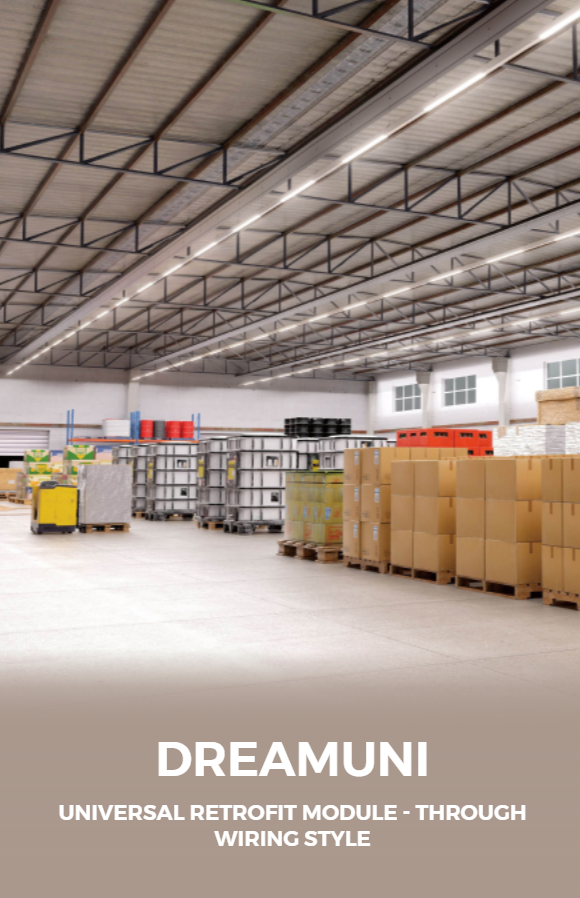
Think in user scenarios rather than brand names:- Office with modular workstations: shallow recessed panels with high uniformity reduce contrast between screens and surroundings.- Open-plan collaboration areas: tunable linear pendants create layered light and reduce shadows for group tasks.- Meeting rooms and design studios: high-CRI fixtures and adjustable color temperature to match critical visual tasks.- Retrofits where rewiring is costly: choose a led retrofit light that fits the existing grid and accepts through-wiring to avoid extensive ceiling work. These options minimize disruption and keep installation costs predictable.
Common mistakes teams make
Skip these traps:- Choosing only on wattage; lumen output, distribution pattern and lumen maintenance matter more for real-world performance.- Ignoring glare metrics and relying solely on visual impressions during a one-off site visit.- Overlooking color rendering and temperature flexibility; a single fixed temperature often fails the diverse needs of modern work.- Forgetting maintenance access—non-serviceable fixtures force full replacement when a driver or module fails.
Quick evaluation checklist for procurement
Use this checklist when comparing quotes:- Installed lumens per square meter (or footcandles) for task areas.- UGR or direct glare rating where screens are used heavily.- CRI and R9 value for color-critical tasks.- Rated life (L70) and warranty terms for the module and driver.- Retrofit compatibility and whether replacement modules are available.- Controls compatibility: does it support DALI, 0–10V, or native smart controls?
Installation and testing advice from practice
When I field-test fixtures, I follow three practical steps: verify the photometrics in a mock-up area, confirm control integration with the building management system, and train onsite staff on simple module swaps. Mock-ups reveal glare, shadowing and color mismatches faster than spreadsheets. Expect small tweaks—baffles, diffuser changes or spacing adjustments—and budget them into the rollout schedule.
Concluding guidance
Choose fixtures that solve users’ day-to-day problems: readable screens, comfortable faces, and predictable maintenance. Prioritize serviceable, retrofit-friendly modules so future upgrades are low-cost and fast. That pragmatic approach is why many facility teams I work with trust modular retrofit solutions from established suppliers such as trieco to balance immediate usability with long-term value.