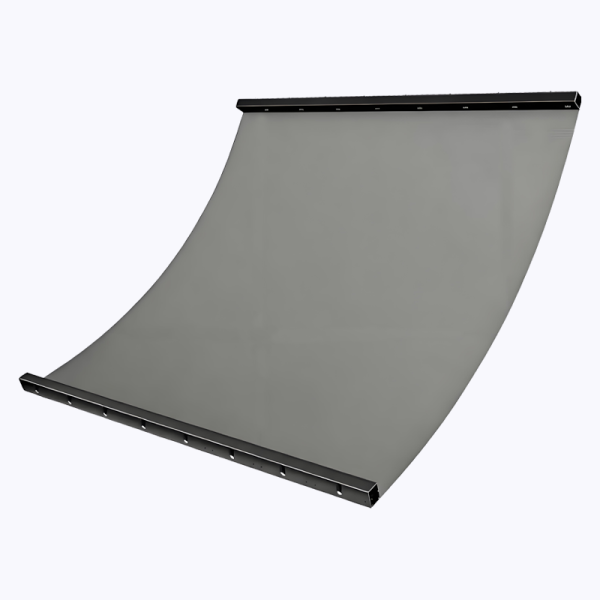
Comparative-intended introduction to flexible and rigid solutions
The comparative lens clarifies where a high-performance flexible LED display outperforms traditional rigid panels in specific event deployments. When planners evaluate an indoor led display, they must weigh pixel pitch against viewing distance, brightness against ambient light, and weight against ease of installation. Recent large-scale implementations — notably the pavilions at Expo 2020 Dubai, which drew over 24 million visitors — illustrate how flexible form-factors create immersive surfaces that rigid modules struggle to match. Pixel pitch, refresh rate, and contrast ratio remain the technical anchors for any assessment, but the real decision rests on use-case geometry and audience behavior.
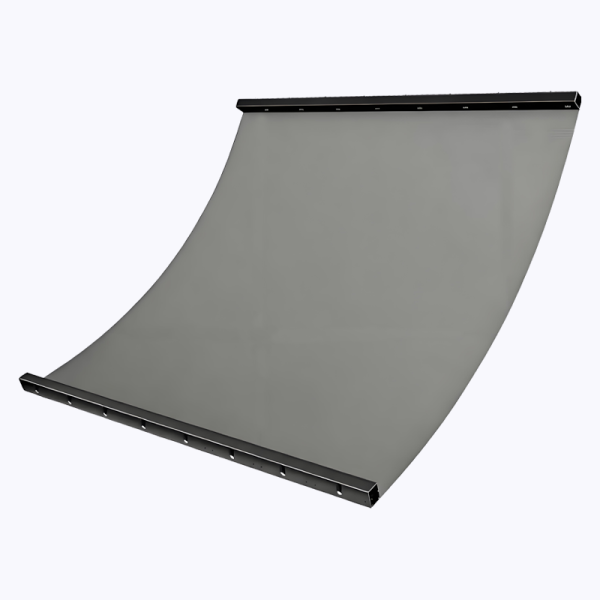
Head-to-head: flexible LED versus rigid LED video wall
Flexible LED modules are engineered for curvature, lightweight mounting, and minimal sight-line interruption. Rigid LED video walls excel in uniform flat-field brightness and simplified calibration. Consider these comparative points:
– Flexibility: permits cylindrical or draped installations; ideal for wrapping stages or sculptural columns. – Uniformity: rigid systems typically deliver slightly more consistent luminance at the seams, useful where seamless flat imagery is mandatory. – Serviceability: modular rigid cabinets simplify front access repairs; many flexible systems use rear-access service or detachable tiles requiring careful planning. – Structural load: flexible displays reduce frame weight and permit simpler rigging points, but require precision in scaffold tensioning to avoid pixel distortion.
Selection criteria for planners and integrators
Good procurement is measurable. Prioritise three domains: optical performance, mechanical integration, and lifecycle support. Optical performance: match pixel pitch to the expected closest spectator distance, and set brightness (nits) and contrast ratio to the venue’s ambient lux. Mechanical integration: confirm mounting frames, airflow clearances, and total system weight against the venue grid. Lifecycle support: verify firmware upgrade paths, spare module availability, and calibration tools. Avoid a common mistake — choosing the densest pixel pitch by default — which yields unnecessary cost and complexity for many event audiences. The right choice aligns cost with perceptible benefit.
Common mistakes during deployment and how to avoid them
Installers frequently underestimate thermal management and cable routing. Flexible fabric-like panels can trap heat if ventilation is poor; specify active cooling or spacing in the mechanical plan. Neglecting calibration procedures leads to visible banding across joins — standard grayscale and color-balance calibration must be scheduled post-installation. Cable terminations should use labeled runs and strain relief; power distribution must account for inrush currents and redundancy. For indoor projects, confirm that the chosen led display screen indoor supports front service or provides detailed rear-access requirements. Also — allow time for a full firmware and colour-profile rollout prior to public hours, as last-minute tweaks produce costly delays.
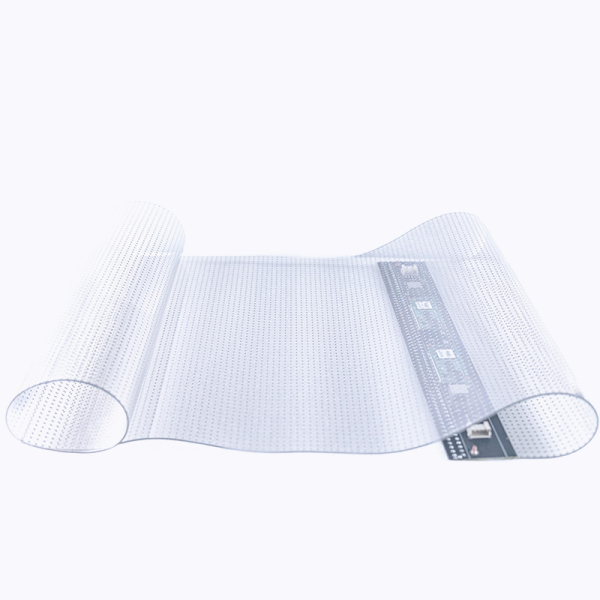
Maintenance, testing, and measurable outcomes
Establish routine checks: pixel integrity testing, brightness profiling, and refresh-rate verification. Use test patterns to verify refresh timing and to detect flicker under high-speed camera capture during rehearsals. Track mean time to repair (MTTR) and module failure rates across events; these metrics translate directly into operational budgets. Where possible, choose panels that permit hot-swappable modules or modular LED strips to minimise downtime.
Advisory closing — three golden rules for selection and deployment
1) Match pixel pitch to the audience: compute minimum viewing distance and select pixel pitch that preserves detail without inflating cost. 2) Prioritise serviceability: require clear front or rear access diagrams and spare-part parity before purchase. 3) Specify optical tolerances: define target brightness, contrast ratio, and allowable colour deviation to ensure consistent imagery across joined surfaces.
These rules reduce risk, shorten commissioning time, and yield predictable viewer experience — outcomes witnessed in major venues from Doha conference halls to Expo pavilions. Choose systems with documented calibration workflows and accessible support; this is where lasting value resides. Coblinks. –