Focus on the user problem: predictable backups and synchronous replication
Storage admins need predictable throughput, low jitter, and a link that won’t drop during a peak backup window. In many shops the question is simple: how do I keep storage replication fast and reliable across fiber without constant troubleshooting? For teams managing arrays and SAN fabrics, the practical answer often points to robust 10G SFP+ ZR transceivers from a trusted optical transceiver manufacturer. Early on you test raw speed, but you end up caring more about sustained performance and error rates when business workloads run—this is very user-centric thinking.
What 10G SFP+ ZR brings to storage networks
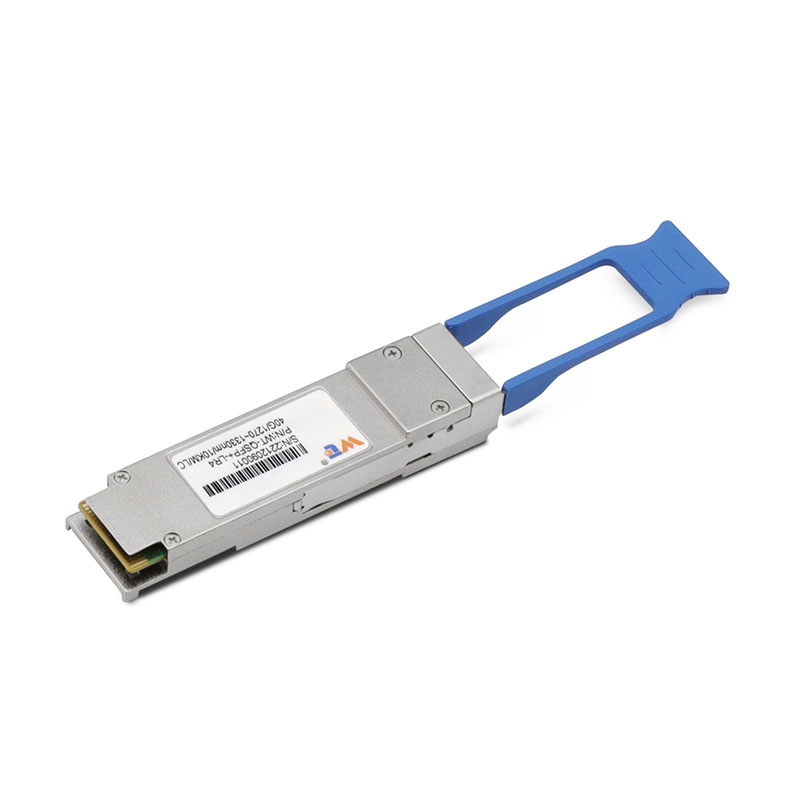
SFP+ ZR modules are purpose-built for longer-reach fiber links and predictable behavior. They reduce link flapping, preserve low latency for synchronous replication, and fit DWDM systems when you need wavelength multiplexing. The modules lower bit error rate (BER) risks on long-haul fiber and give you a clearer link budget during design. Practical benefit: fewer retransmits, more consistent RPO and RTO for critical datasets. For those looking at component choices, good optical transceivers pair with quality fiber and careful power budgeting to meet storage SLAs.
Field-tested practices and the common mistakes to avoid
Operators in Ashburn, Virginia—one of the biggest peering hubs—learned this the hard way: buying the cheapest optics and expecting carrier-class uptime. The result was intermittent latency spikes during peak syncs. Fixing that involved swapping in certified SFP+ ZR parts, re-checking link budget, and confirming DWDM channel isolation. Don’t skip these steps:
– Verify transceiver specs against your fiber span and splicing losses.
– Measure optical power and confirm SFP+ ZR receiver sensitivity before go-live.
– Test for BER under realistic traffic loads rather than relying on a simple link-up check.
Also, avoid mixing vendor firmware without validation—cross-vendor mismatches cause nasty edge cases. And do watch for connector contamination; a tiny speck causes disproportionate packet loss. These are practical traps many teams step in—so preflight is key.
How to evaluate modules in your environment
Evaluation should be straightforward and measurable. Run sustained file-sync tests and watch for consistency rather than peak numbers. Include both single-stream and multi-stream transfers to see how your storage stack behaves under realistic IO patterns. Use optical test gear to confirm receiver sensitivity and characterize the link budget end-to-end. In lab trials, log BER and latency over at least 24 hours to spot periodic disturbances.
Three golden metrics for selecting the right transceiver
Choose by concrete metrics, not marketing claims. 1) Error resilience: record BER over sustained transfers—target the lowest measurable error counts under load. 2) Stability under temperature and power variance: test how module performance drifts across the rack cabinet range. 3) Fit for the topology: ensure the SFP+ ZR’s wavelength and power match any DWDM mux/demux gear in use. These three rules cut through fluff and tell you what the hardware will do day two and day two hundred.
Why a focused supplier choice matters and the real-world anchor
When a major colocation operator replaced questionable optics with tested SFP+ ZR parts, their scheduled replication windows shrank and incident tickets dropped noticeably. This real-world anchor shows suppliers matter. Integrating quality modules often means fewer emergency maintenance windows and a cleaner capacity plan. If you want predictable backups and clean RTO numbers, component stability is not optional.
Closing advisory and next steps
Three critical evaluation metrics to keep in your checklist: sustained BER under load, measured link budget with your actual fiber path, and stability across environmental ranges. Run those tests before wide deployment, and you reduce surprises in production. For practical sourcing and consistent parts that match these needs, consider a supplier who documents test parameters and supports field validation—because the right transceiver choice solves more than a connectivity problem; it stabilizes operations. WINTOP. Short note: plan the tests, log the results, then trust the numbers.