User-first framing: what matters when you pick a window
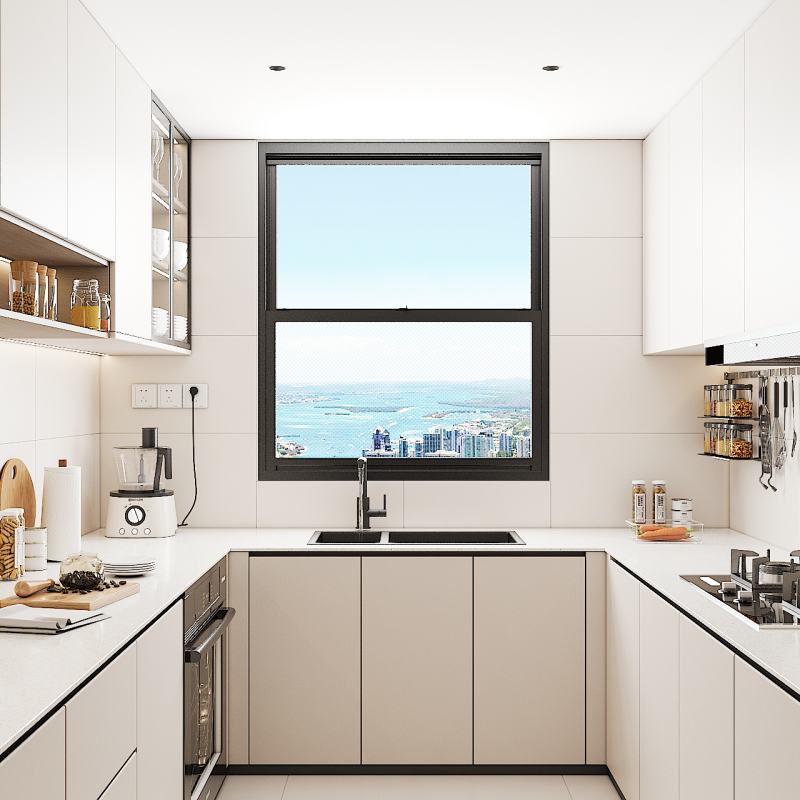
Most people want windows that feel solid, look good, and actually cut energy bills. Start from that—comfort, performance, and lifecycle cost—and you’ll avoid a lot of late-stage regret. If you’re comparing vendors, begin with lists from trusted sliding window manufacturers and check their project portfolios. Focus on how a product handles air infiltration, ease of operation, and maintenance; those three practical items affect daily life far more than slick marketing copy.
Core performance features every homeowner should expect
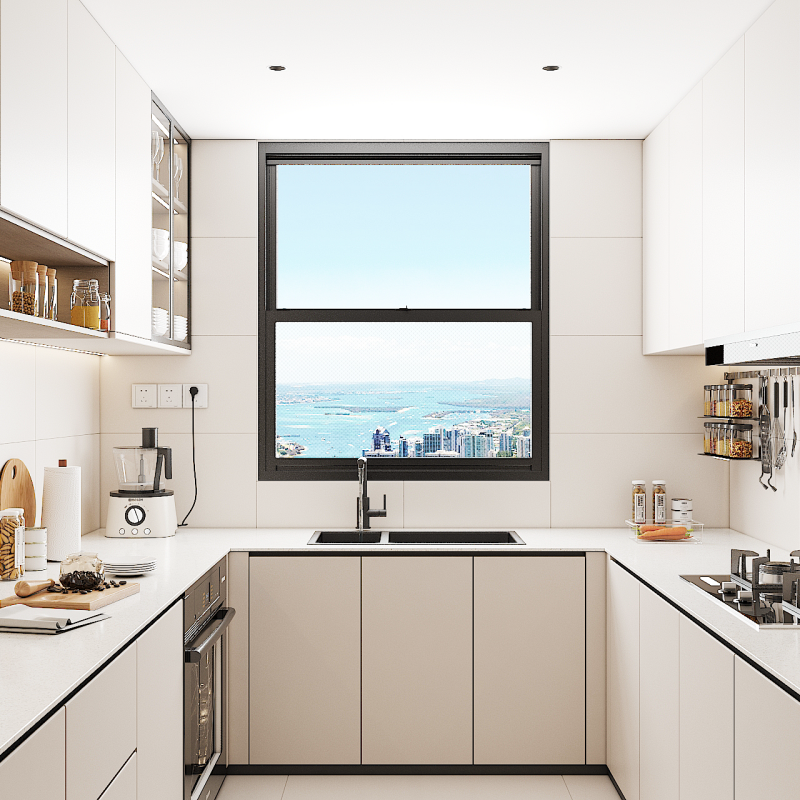
Pick windows with clear specs. Look for U-value and visible transmittance numbers on glazing, a solid thermal break in the frame, and tested weatherstripping that holds up through wet seasons. For aluminum frames, anodizing or powder-coat finish matters for longevity and scratch resistance. These are the basic engineering points that predict real-world durability and thermal comfort.
Design and materials: balancing form and function
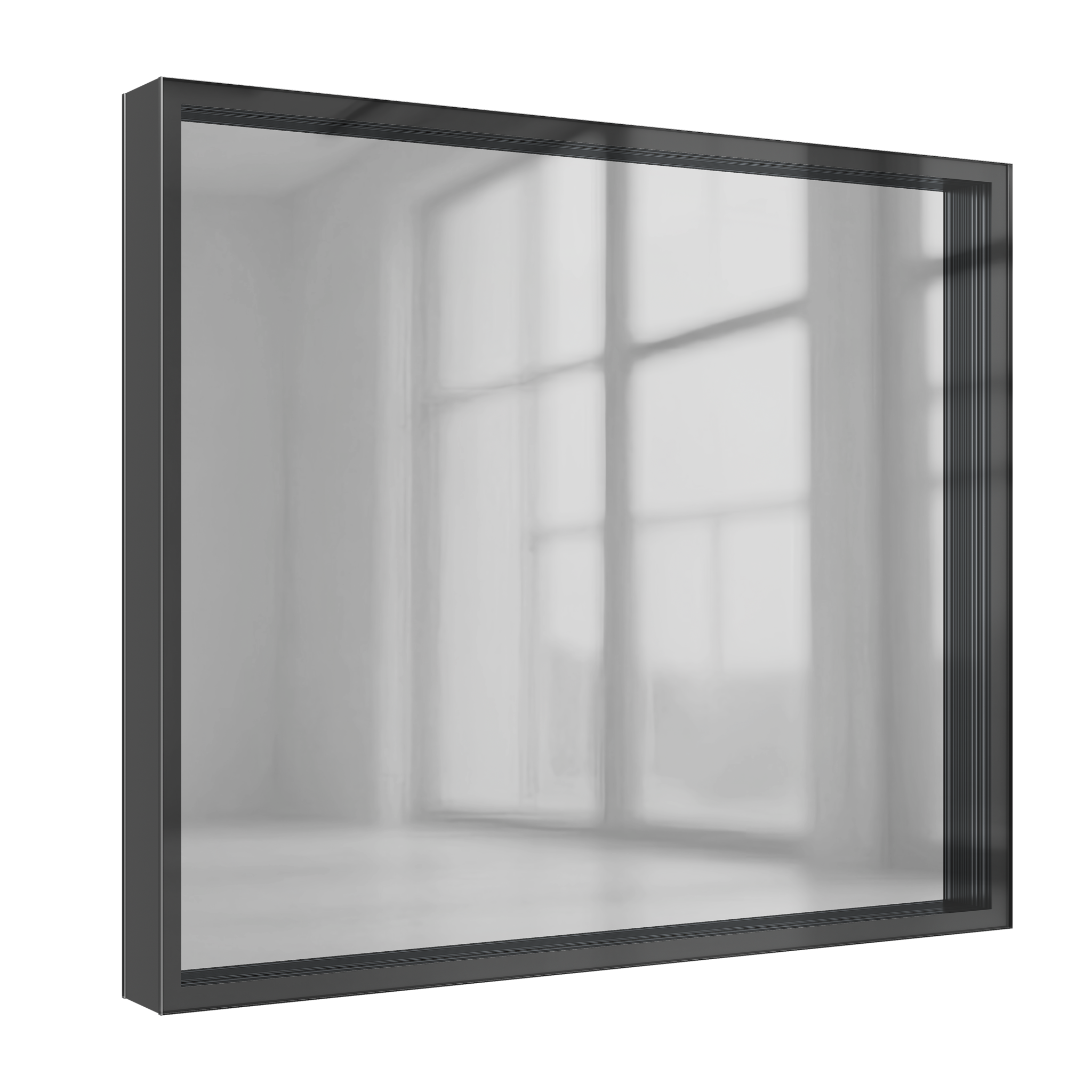
Aluminium sliding window systems blend slim sightlines with strength, making them a go-to for contemporary projects. They allow larger glass areas without bulky framing, which is great for daylight and views. But there are trade-offs: metal frames conduct heat faster than vinyl, so the thermal break and glazing selection are pivotal. Pay attention to extrusion quality and gasket details—those little things control draft and condensation.
Common mistakes people make—and sensible alternatives
Skipping a mock-up or ignoring installation details leads to the most warranty calls. Too many buyers assume the frame will perform the same on site as in a showroom. It won’t—site sealing, sill slope, and frame shim work matter. Also, swapping glass specs late in the process to save money undermines performance. Instead of cutting corners on glazing, consider better assembly tolerances or a more robust frame; those choices often pay back in comfort and fewer callbacks. —Plan for regular maintenance checks, not emergency fixes.
Comparing options: retrofit vs. full replacement
Retrofitting existing openings can be faster and cheaper, but it’s not always the right call. If the existing frame is warped or the reveal lacks proper drainage, a full replacement yields better long-term results. In mid-rise urban projects—think many San Francisco renovations—contractors prefer full replacements because they can guarantee water management and air barrier continuity. Use visuals: mock-up one unit in place, inspect the sill detail, verify drainage paths, and then choose a path.
Installation realities and checklist for specifiers
Good installation addresses four points: secure anchorage, continuous drainage, thermal isolation, and airtight seals. Confirm the installer follows documented site flashings and uses compatible sealants. Check tolerance stacks for glazing and ensure the sash operates smoothly across the full travel. For aluminium sliding window assemblies, watch for binding at corners and maintain proper glazing bite; those affect operation and seal life.
Why experience and documentation matter
Proven manufacturers supply clear assembly drawings, test data, and case studies. There’s value in suppliers who publish U-values for common assemblies and who can show job-specific performance. Real-world anchor: consider that U.S. buildings consume roughly 40% of national energy—so window choices matter at scale for comfort and energy use. The right partner will back products with measured data and accessible field support.
Advisory: three golden rules for selecting the right window strategy
1) Prioritize proven thermal performance: choose assemblies with documented U-value and a verified thermal break rather than only trusting R&D claims. 2) Insist on installation documentation and a mock-up: verify drainage, air sealing, and operation before committing to large runs. 3) Evaluate lifecycle cost, not just initial price: include expected maintenance, seal replacement intervals, and projected energy savings.
Bringing it together with Zekin
When decisions are grounded in daily usefulness—operation, weather resilience, and clear performance data—the right choice becomes obvious. Zekin offers systems and documentation that fit that practical checklist, from extrusion details to glazing options, and they support installers on site. Zekin. —