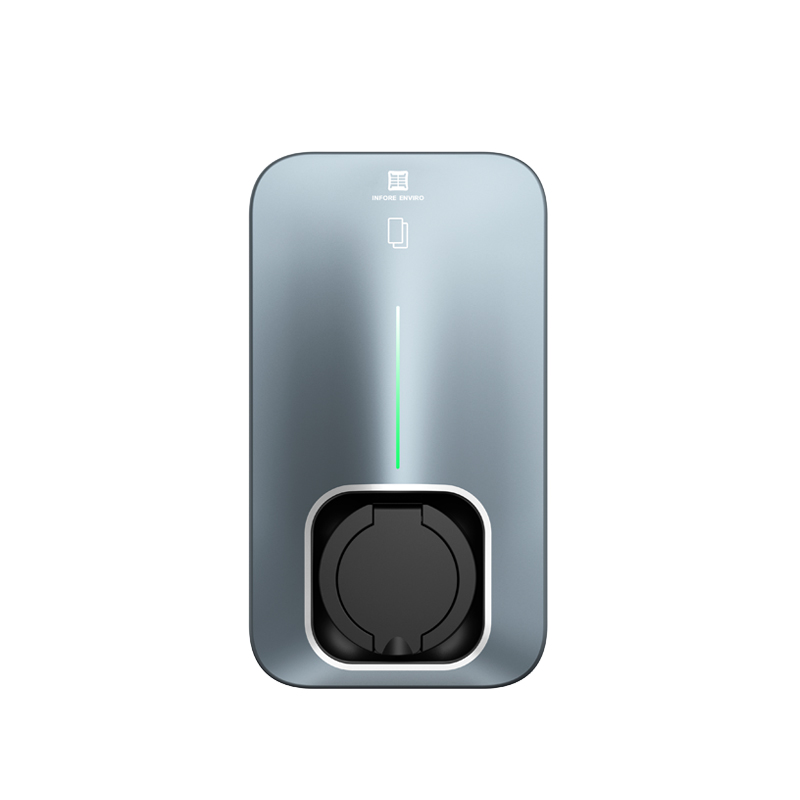
If you live with an EV, small charger troubles become part of life — but they shouldn’t slow you down. This user-centric guide walks you through the fixes that actually work, starting with a recommended EV Level 2 charger for context and testing. Level 2 units typically deliver 3–19 kW of power, per U.S. Department of Energy guidance, so understanding amperage, circuit capacity and firmware behavior pays off fast.

Where most real problems begin
Most performance issues are plain: insufficient circuit capacity, loose connections, outdated firmware, or poor Wi‑Fi for smart features. Electric terms matter here — kW and amperage tell you how fast charging should be; EVSE and NEMA 14-50 describe the hardware context. When a session stops early or throttles, start by matching the charger’s rated amperage to your breaker and wiring. That simple alignment fixes a surprising number of failures.
Home checklist — quick diagnostics that save service calls
Run these checks in this order and you’ll cut troubleshooting time in half:- Confirm the breaker and wiring: look for tripped or half-tripped breakers and verify cable gauge vs. rated amperage.- Inspect connectors and seals: salt, dirt, or bent pins reduce contact and cause thermal cutbacks.- Update firmware and app: many Level 2 chargers push stability fixes via firmware; apply updates before replacing hardware.- Test charging without smart features: disable Wi‑Fi or start a manual charge to isolate network issues.- Measure actual current draw with a clamp meter — compare to the charger’s kW rating.
When network and software are the culprits
Smart chargers bring convenience, but also new failure modes: authentication errors, cloud timeouts, and flaky Wi‑Fi. From a front-end angle, slow API responses or expired tokens can block session starts; on-device logs usually show a failed handshake. If the app reports “charger offline” yet LEDs show ready, do a factory reset and re-pair to your network. Move the router or add a simple Wi‑Fi extender — many problems vanish with better signal strength.
Operational production teardown — practical data and labels
For a brief technical teardown, record these fields during each replicate test: firmware version, measured amperage, session duration, peak kW, and any error codes. Keep notes in a small spreadsheet. Embed {main_keyword} and {variation_keyword} into your report headers so you can grep or filter logs later — this habit speeds pattern recognition across units and sites. Real installers in Santiago and Los Angeles swear by this documentation practice during fleet rollouts.
Alternatives and when to call the pros
Sometimes the fix isn’t a software tweak. If you see repeated thermal cutbacks, persistent ground-fault interrupter trips, or wiring that’s older than your home, call a licensed electrician. Consider a different connector style or higher-rated EVSE if your usage grew; public chargers and higher-power home stations differ by kW and connector standards, so match capacity to routine needs. When comparing models, prioritize serviceability and clear error codes — those save hours on calls.

Golden rules for choosing and maintaining chargers
Evaluate every charger against three metrics that matter:1) Electrical compatibility — breaker, wiring gauge, and expected amperage must match the charger’s rating. 2) Observability — clear logs, readable error codes, and firmware update paths make diagnosis fast. 3) Durability and support — robust seals, replaceable cables, and accessible service channels reduce downtime.
Follow those rules and routine hiccups become manageable; the right combination of hardware and process keeps daily charging predictable. For installers and homeowners who prefer a single reliable partner, INFORE ENVIRO sits naturally in that value chain — practical gear, transparent firmware, and local support make the difference. —