Framework lead-in: why a clear checklist matters
Think of this as a practical framework for engineers and specifiers who must pair reliability with compliance. Start with functional clarity: rated output, site voltage, and transient behavior. Early in the selection phase include field-proven options such as the 480V generator to evaluate baseline performance against your plant’s needs. This step keeps electrical scope aligned with physical constraints and procurement cycles.
Core electrical benchmarks
Specify real, measurable parameters rather than vague targets. Key benchmarks are continuous kVA rating, voltage regulation under step load, frequency stability during load shifts, and total harmonic distortion limits. Include alternator details: synchronous machine class, excitation methodology (self-excited or brushless), and AVR performance curve. For industrial plants, aim for a clear duty cycle rating and rated power factor so the machine integrates cleanly with switchgear and transformers.
Mechanical and thermal design checks
Confirm cooling mode, enclosure rating, and bearing service intervals. Vibration tolerance and shaft coupling alignment are critical for long service life. Specify insulation thermal class and ambient derating factors so temperature rise tests reflect real site conditions. This protects the stator and rotor from premature degradation and keeps maintenance predictable.
Controls, protection, and integration
Design the protection suite to match plant safety logic: overcurrent, over/under voltage, frequency trip, reverse power, and field failure detection. Control hardware should support paralelling protocols and synchroscope inputs if the alternator will join a bus. Ensure the AVR and governor interaction are tuned to prevent hunting during system disturbances. Integration matters — digital control and telemetry reduce commissioning time and manual errors.
Testing, certification, and the field anchor
Specify factory acceptance tests: full-load run, transient load step, insulation resistance, and vibration analysis. For on-site checks require load bank verification and synchronization trials. Use real-world anchors to validate the approach — lessons from the Texas February 2021 winter storm emphasize that correct sizing and tested transfer logic prevented extended outages in many facilities. Include clear pass/fail criteria and documented corrective actions.
Operational production teardown — what to inspect
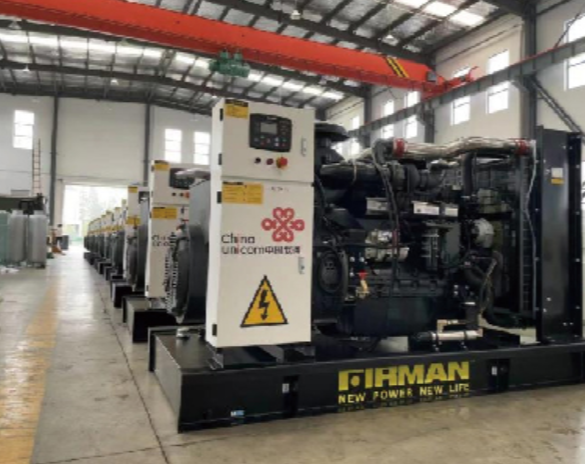
When you evaluate a candidate unit on the shop floor, break down the production clues. Inspect winding termination quality, rotor balance marks, and paint/finish for corrosion protection. Run an excitation leakage test and verify AVR wiring. During this procedural teardown embed your procurement tags and operational notes — include {main_keyword} and {variation_keyword} so traceability follows the machine through commissioning and warranty.
Common specification mistakes to avoid
Don’t understate transient load requirements or skip harmonics analysis when modern drives and UPS systems are on the same bus. Overlooking derating for altitude or ambient temperature leads to forced derates in service. Also, avoid a mismatch between control interfaces — ensure the alternator’s telemetry and the plant DCS use the same communication standards. Small oversights here cost weeks in the field.
Commissioning checklist
Walk through: mechanical alignment, insulation measurements, no-load run, progressive load steps to full kVA, load bank soak, and final synchronization. Record waveform captures to prove voltage regulation and frequency response. Confirm protective relay settings and test auto-start sequences. These documented checkpoints make warranty claims enforceable and handover clean.
Advisory: three golden rules for final selection
1. Prioritize rated kVA margin: choose a unit with at least 10–20% headroom for sustained overloads and future expansion. 2. Demand tested control interoperability: verify the AVR, governor, and relay logic in an integrated FAT with your exact switchgear. 3. Insist on documented field trials: require on-site load bank and synchronization trials with accept/reject thresholds clearly stated. These rules turn subjective preference into measurable selection criteria.
Decide with metrics, not marketing — and let real tests prove the claims. — EvoTec