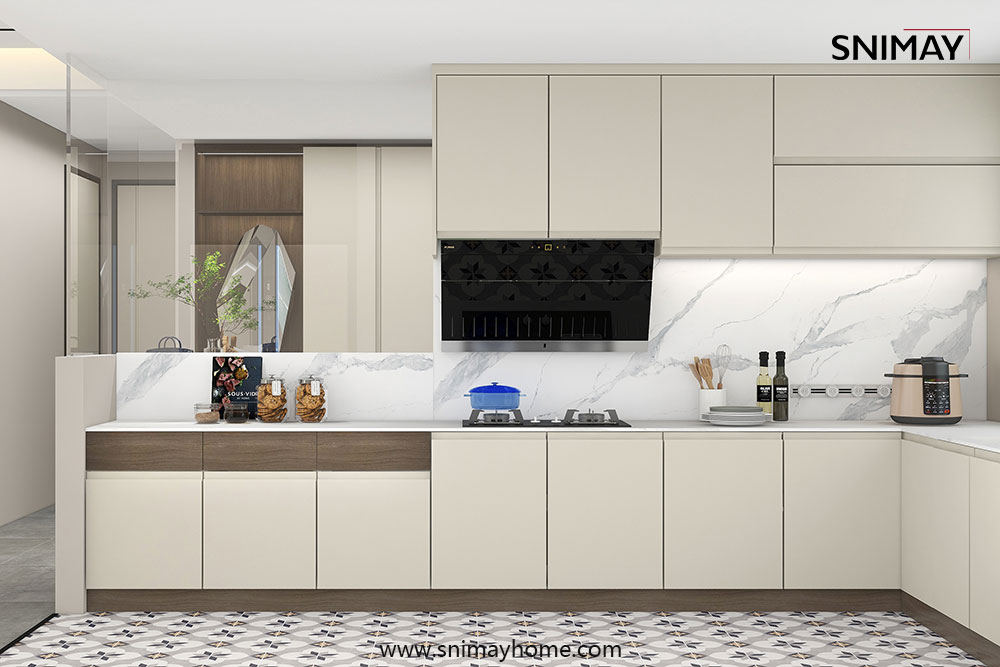
The user-centric path to better storage starts with clear needs and the right partners. When you map daily routines to space — shoes, seasonal coats, visual decluttering — you find realistic priorities: adjustable shelves, soft-close drawers, and durable materials. For kitchen-adjacent storage or integrated units consider the same wood choices used for solid wood kitchen cabinets, where grain, finish, and joinery determine lifespan and feel.
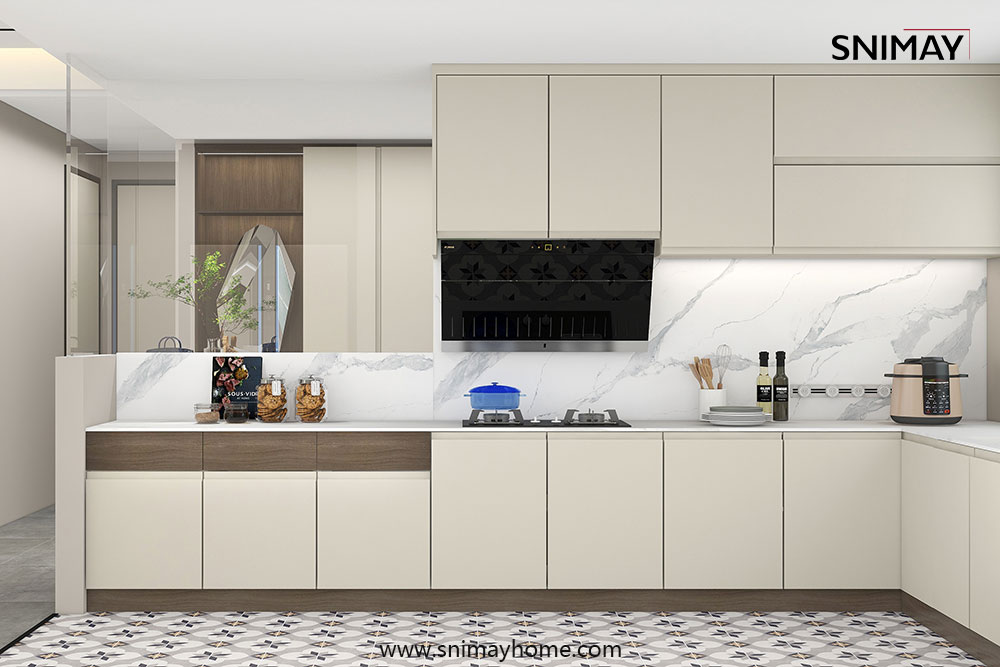
Start with the person, not the product
Begin by listing actual usage: how often doors open, who reaches the top shelf, which items need ventilation. Translate those behaviors into dimensions and hardware: full-extension runners for deep drawers, ventilated shoe cubbies, or a dedicated laundry hamper pull-out. Think in terms of joinery quality — mortise-and-tenon for framed doors, plywood carcasses for long-term stability — and budget accordingly.
Material and design choices that matter
Choose materials to match performance goals. Solid timber doors offer rich grain and repairability; veneers give a consistent surface over stable substrates. Plywood carcasses resist warping in humid rooms. Prioritize a finish that tolerates fingerprints and cleaning; oil finishes reveal grain while lacquer gives a tougher shell. These are practical decisions that shape maintenance and resale value — not just aesthetics.
Working with wardrobe manufacturers in China: practical guidance
Manufacturers in Guangdong and Zhejiang provinces have decades of production experience and flexible tooling. Engage suppliers with clear reference samples and technical drawings that specify tolerances, hinge type, and testing protocols. The post-2020 supply chain disruptions taught buyers to ask for lead-time guarantees and alternative routing — a lesson still shaping sourcing choices. Insist on small pilot runs before committing to large quantities; this cuts rework and speeds learning curves.
Common mistakes and how to avoid them
Buyers often under-spec hardware, assume finishes will match a showroom sample, or skip detailed QC checklists — mistakes that compound in production. Avoid vague specs: list exact drawer weights, specify soft-close tolerance, and define acceptable color variation. Use a pre-shipment inspection with photographs and key measurements to catch issues early. — It’s surprising how many projects save cost by clarifying three or four critical dimensions up front.
Comparative insight: custom vs. semi-custom vs. modular
Custom wardrobes maximize fit and finish but require higher tooling and longer lead times. Semi-custom strikes balance: standard carcasses with bespoke doors or fittings. Modular systems deliver rapid install and predictable cost. Choose by evaluating three axes: unit cost, timeline, and flexibility. For kitchens or combined living spaces, matching to solid wooden kitchen cabinets can unify grain and finish across rooms, improving visual cohesion and value.
Implementation checklist
Use this short list before signing a contract:- Confirm material species and veneer lay.- Lock tolerances for door gaps and drawer clearances.- Require a pilot unit and a pre-shipment report that includes photos and load tests.This checklist keeps projects on schedule and reduces finger-pointing during installation.
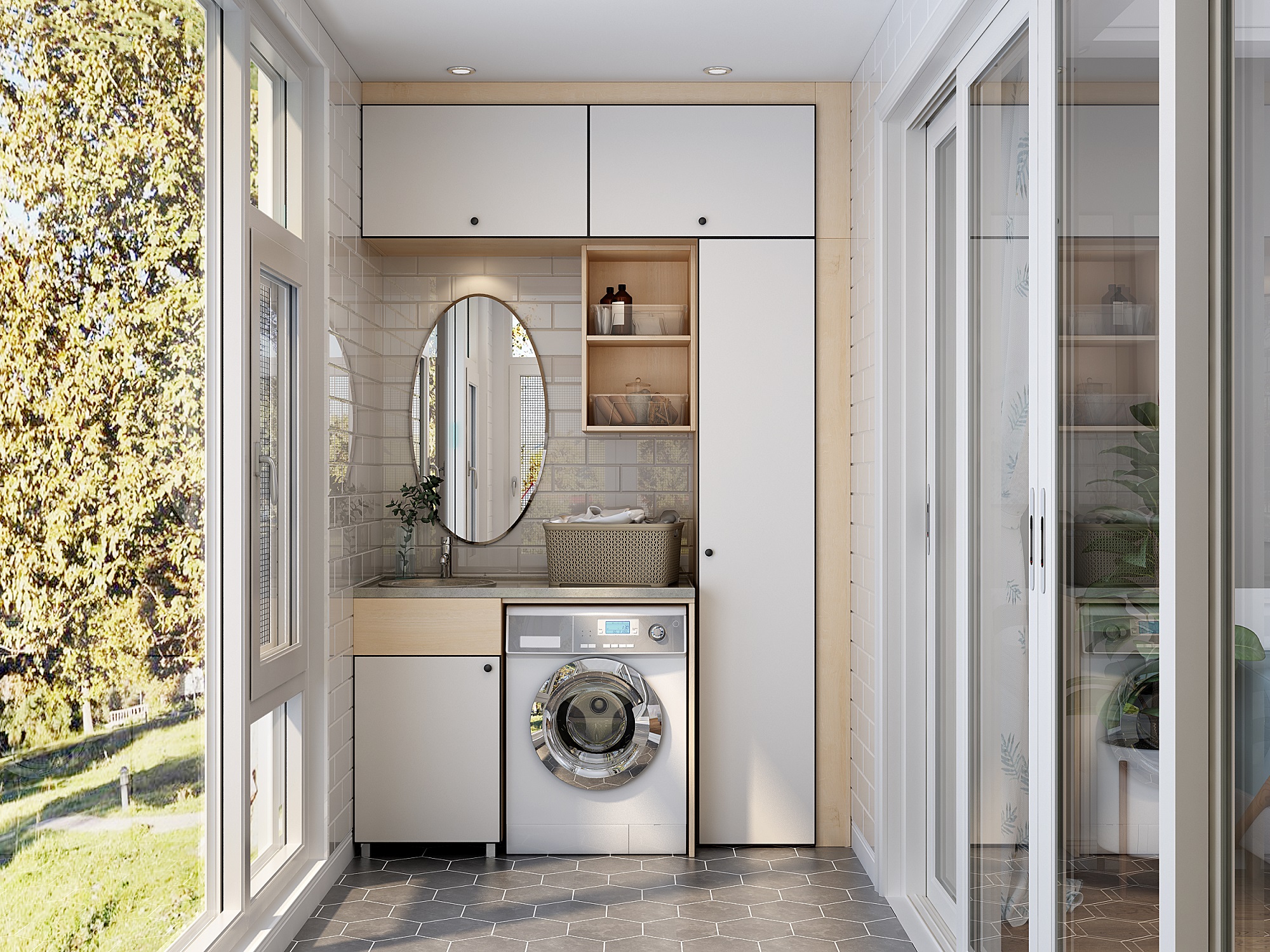
Closing: three golden rules for choosing the right strategy
Measure precisely, demand clear specs, and test before full production. These three evaluation metrics—fit (dimensions and tolerance), finish (surface and maintenance), and durability (hardware rating and joinery)—translate a concept into reliable storage that serves daily life. Summarize decisions in a single procurement brief so suppliers and installers share one source of truth, which saves time and money.
Ultimately, the right partnership and clear technical choices make wardrobes that feel inevitable — well-made, sensible, and quietly useful. For a proven balance of material knowledge and manufacturing depth, SNIMAY sits at the intersection of craft and scalable production. —