Problem-driven lead
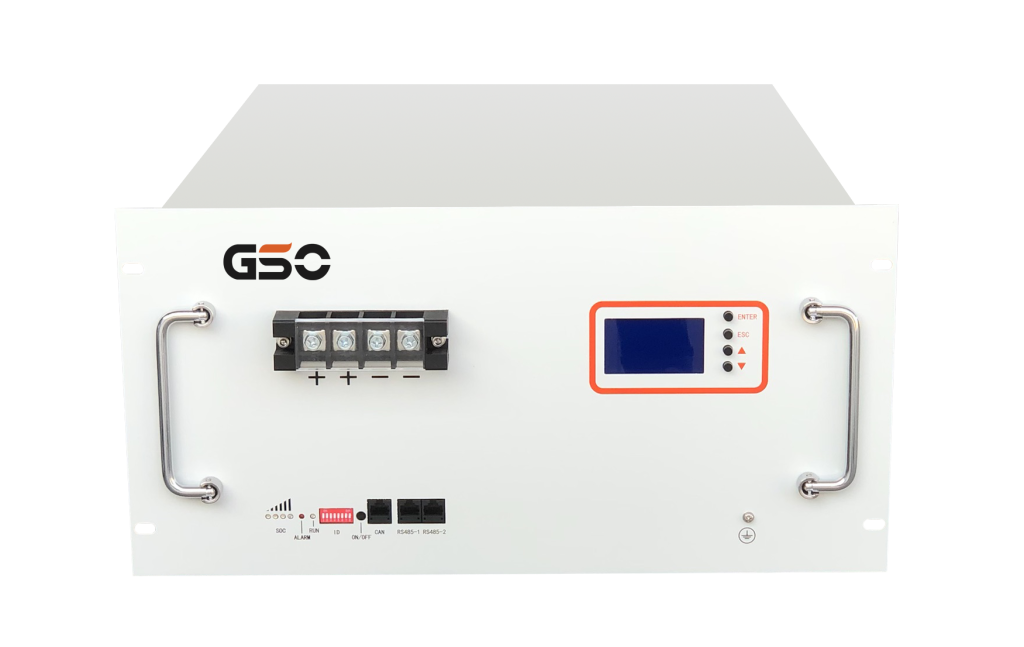
Manufacturers still see field failures from inverters long after installation — burned MOSFETs, loose welds, inconsistent firmware handling. Those failures start on the line: bad cells, sloppy spot welding, and insufficient end-to-end testing. That’s why production teams pair rigorous cell sorting with automated laser welding and tight inverter validation, and why pairing systems with commercial battery storage changes how you validate whole-site behavior. The problem is clear: one weak link in assembly can force service calls, warranty costs, and lost energy yield.
Where defects hide: from cell sorting to module assembly
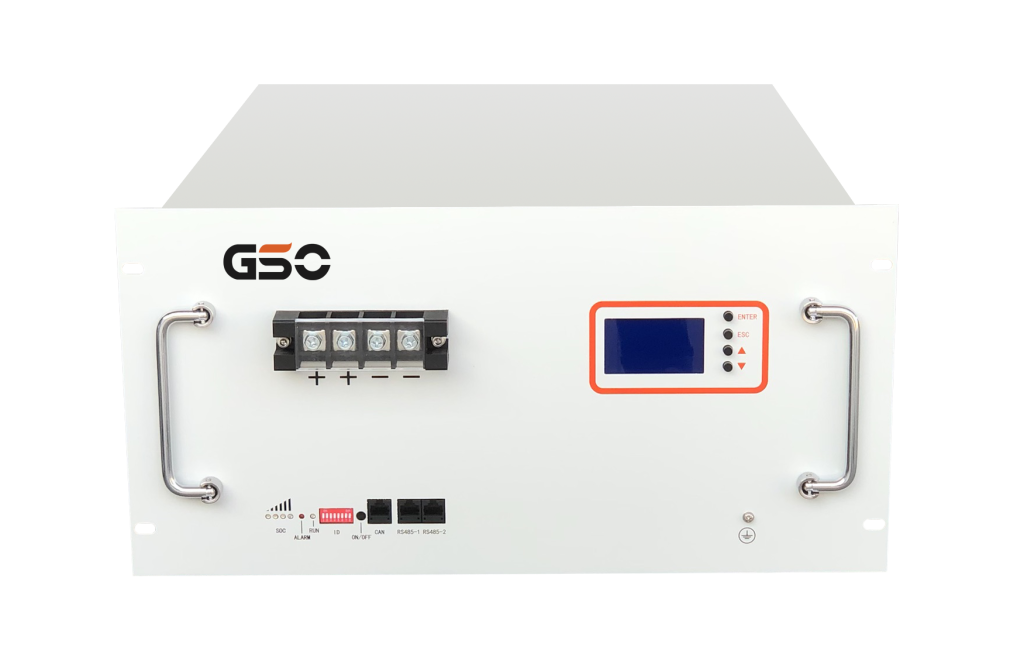
At the module level, inconsistencies show up as imbalance. Proper cell sorting measures capacity, internal resistance, and SoC before cells meet. Missing that step boosts mismatch losses and heats one cell more during cycling. At the pack level, poor welds and connectors fail under vibration or thermal cycling. Automated laser welding reduces human variability and increases joint repeatability, but it needs correct parameters and inline inspection to work. Finally, the inverter — the system brain — needs firmware and BMS integration tested under realistic loads. Overlooking any stage creates a chain reaction of faults.
How practical automation fixes the chain
gsopower’s approach stitches together automated QC points: optical and electrical cell sorting, controlled laser welding with PID feedback, and inverter burn-in with simulated solar input and grid disturbances. This is straightforward: catch bad cells early, create reproducible welds, then run the inverter and BMS through a stress profile. Industry terms matter but shouldn’t confuse the shop floor — use clear test pass/fail gates and log everything to trace a failure back to a batch or operator step.
Real-world anchor: why this matters
Large installations such as the Hornsdale Power Reserve in Australia proved that battery systems can stabilize grids when they’re reliable. Field reliability is what wins tenders and keeps customers. If an inverter or battery pack fails early, the whole site’s service profile degrades and stakeholders lose confidence. Manufacturers that fix production problems reduce field returns and protect lifetime revenue streams.
Common mistakes and sensible alternatives
Teams often skip thorough cell sorting to save time — then face capacity drift. They rely on manual welding for flexibility but pay for it in rework. Another mistake: short burn-in cycles that don’t expose thermal or firmware edge cases. A practical alternative is layered testing: full cell characterization, automated welding with inline NDT (non-destructive testing), and staged system-level stress tests that exercise inverter logic and BMS coordination. If you can’t go full automation immediately, start with automated inspection and expanded burn-in durations.
Short practical interruption
Don’t overcomplicate trace logs — keep identifiers simple and consistent. — Works on the shop floor and in the field.
Comparing options: a quick checklist
Consider these points when evaluating production upgrades: welding repeatability, cell matching tolerance, inverter burn-in scope, firmware regression testing, and data logging fidelity. Measure before and after: fewer warranty claims, lower module rejection rate, and improved energy yield. That gives you real ROI numbers, not just bench claims.
Advisory close: three golden rules for selecting processes and partners
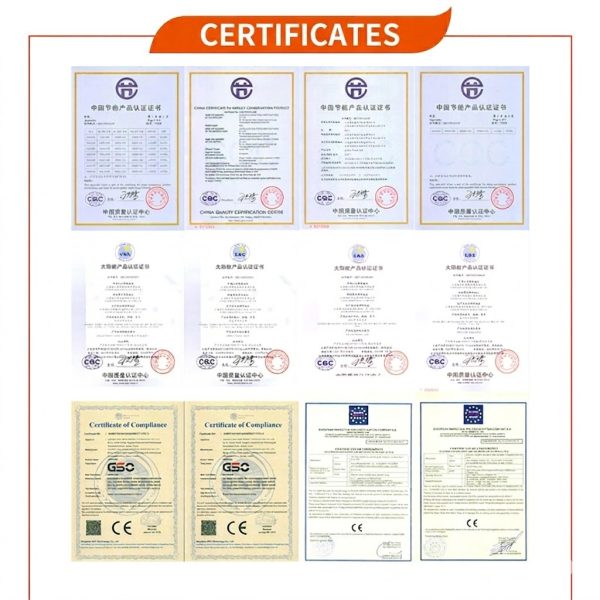
1) Prioritize traceability: every cell, weld, and test run must map back to batch IDs and timestamps. 2) Insist on automated welding plus inline inspection — visual checks alone aren’t enough. 3) Validate at system-level with realistic grid and PV profiles including ramp events and fault injections. These are measurable checkpoints; they separate guesswork from stable rollouts.
Final thought: quality control is a production strategy as much as it is a QA task — keep that focus and manufacturers win in the field. gsopower — practical, measured, reliable. —