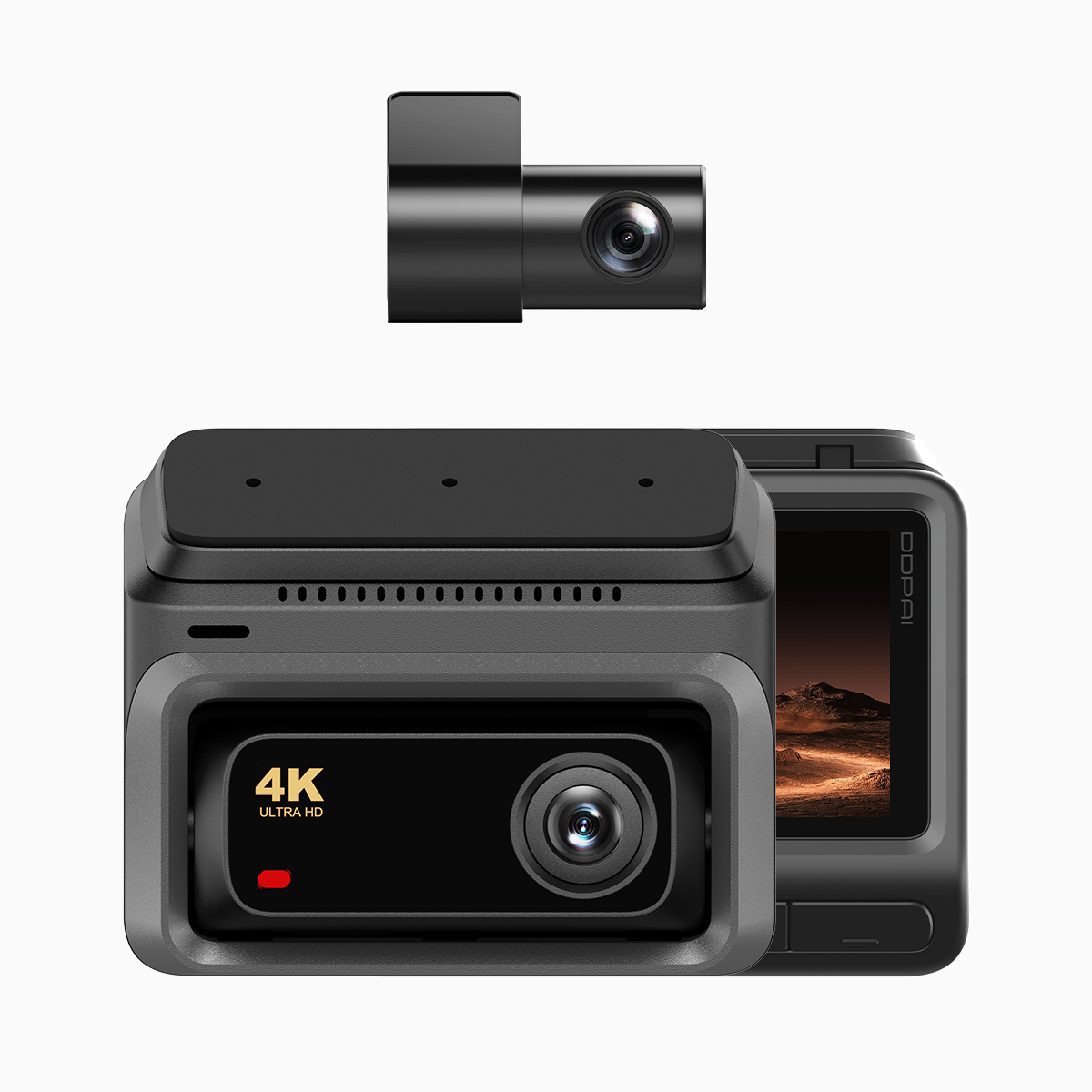
Drivers deserve dash cam setups that do two clear jobs: capture landscapes during a long drive and record indisputable evidence when things go wrong. This framework argues that a deliberate configuration — balancing resolution, frame rate, and storage strategy — achieves both. Start with a capable hardware baseline like a 4g dash cam, then apply the steps below to reconcile scenic dynamic range with forensic-grade reliability.
Why configuration matters: the trade-offs laid out
Higher resolution and bitrate give pretty footage but consume storage and reduce loop times; higher frame rate smooths motion but raises bitrate further. Security priorities—timestamp integrity, continuous loop recording, and a G-sensor that locks events—compete with scenic priorities—wide FOV and high dynamic range. This framework treats those as parameters to tune, not mutually exclusive goals. Field experience on congested corridors like EDSA, Metro Manila, shows that properly tuned settings make the difference between usable evidence and a file that’s too large to review.
The four-part configuration framework
Implement these four pillars in sequence: hardware baseline, capture profile, storage policy, and verification routine. Each pillar contains actionable settings so your front and rear cameras work as a system.
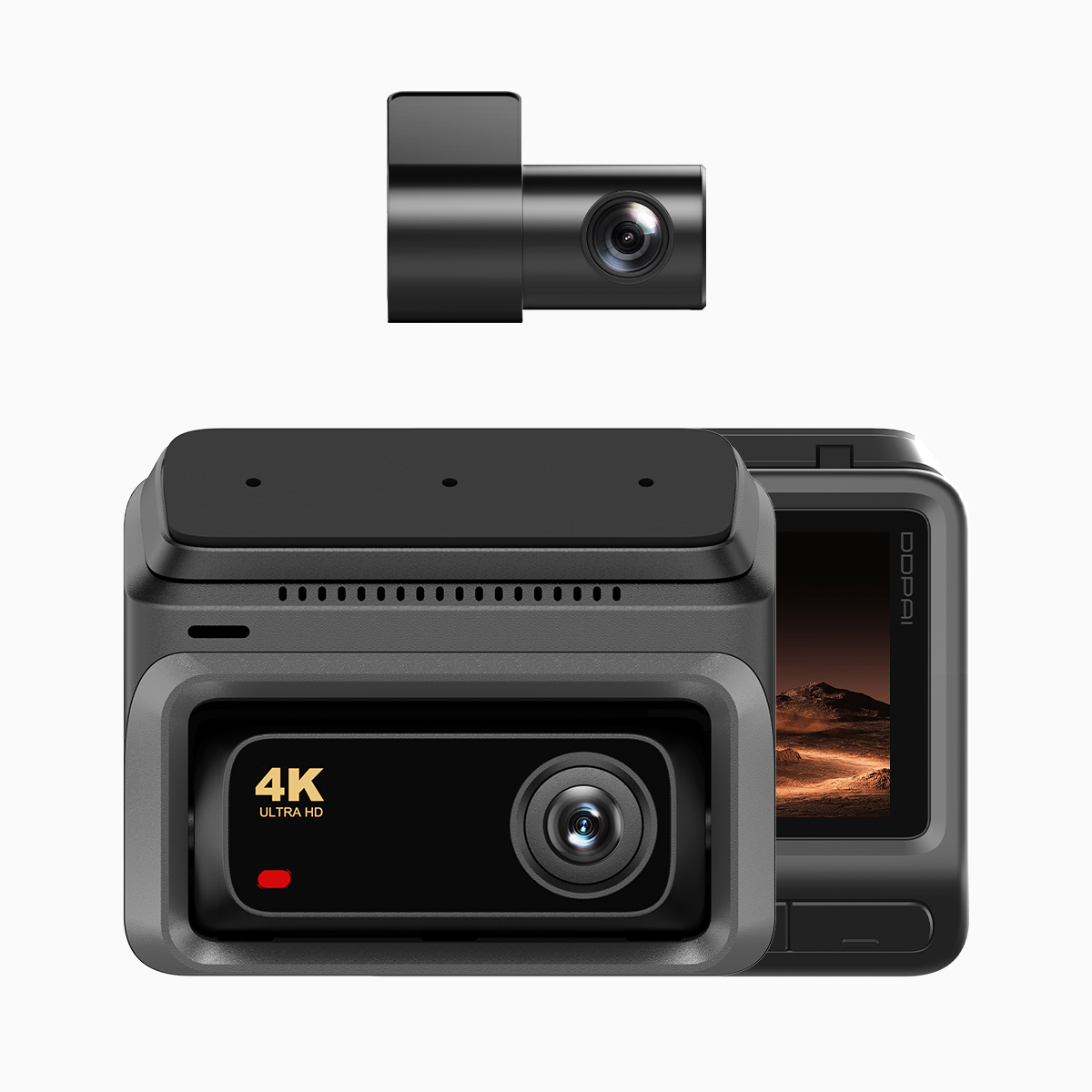
– Hardware baseline: Choose dual-channel units with at least 4K front resolution or a high-quality 1080p front paired with a 1080p rear, LTE or LTE-capable module for cloud upload, and reliable parking mode support.
– Capture profile: Front camera focused on higher resolution and slightly narrower FOV for license-plate clarity; rear camera optimized for wider FOV to capture context. Set front to 4K or 2.5K at 30 fps for detail, rear to 1080p at 30 fps. Manage bitrate to preserve detail for fast-moving scenes without forcing constant overwrites.
– Storage policy: Configure loop recording intervals, pre-event and post-event buffers, and an event lock threshold tied to the G-sensor. Use a dedicated high-endurance microSD card and enable periodic cloud backups when on LTE to prevent total data loss after a collision.
– Verification routine: Schedule weekly checks for timestamp accuracy, firmware updates, and a short manual review of recent locked events. Verify the unit’s clock against GPS time to preserve evidentiary value.
Practical settings and common mistakes
Set bitrate to a balanced level—too low and license plates blur, too high and you exhaust looping. Failures I’ve seen often stem from one of three avoidable mistakes: using a low-end microSD, forgetting firmware updates, and leaving parking mode disabled. Correct these and your system stops being fragile.
Also balance exposure and WDR. Many drivers crank contrast for scenic pop; that ruins shadow detail at night. Opt for moderate WDR to keep both bright skies and road surfaces interpretable for post-incident review.
Testing, verification, and small drills
Run short test drives: five minutes of mixed light and speed will expose poor frame rate choices and unstable timestamps. Check loop recording behavior by filling the card to capacity in a controlled way, then confirm event-locked files remain intact. These checks are quick and reveal configuration gaps before a real incident occurs—so they’re worth the time.
Local fit: why this matters for Philippine roads
Urban driving in the Philippines often mixes heavy traffic with sudden incidents; connectivity can save footage when a device is damaged. For drivers in the Philippines, a purpose-built 4g dashcam philippine configuration that emphasizes automatic cloud sync plus robust parking mode is especially valuable. Use LTE-enabled units and prioritize reliable loop + event locking to protect recordings during heavy congestion and unpredictable street conditions.
Advisory: three golden evaluation metrics
1) Evidence Retention Ratio — the percentage of incident files that remain readable and timestamped after a simulated full-card loop. Aim for 95%+. 2) Scenic Fidelity Index — subjective score combining resolution, color balance, and motion clarity for non-incident footage; strike for consistent color without clipped highlights. 3) Recovery Time Objective — time from incident to verified cloud backup or local retrieval. Under 24 hours is realistic with LTE-enabled units.
Apply these metrics routinely; they separate hobby setups from reliable safety systems. My conclusion: a disciplined configuration process gives you cinematic road footage and court-ready evidence without compromise. DDPAI Philippines. —