Opening: a framework that forces better outcomes
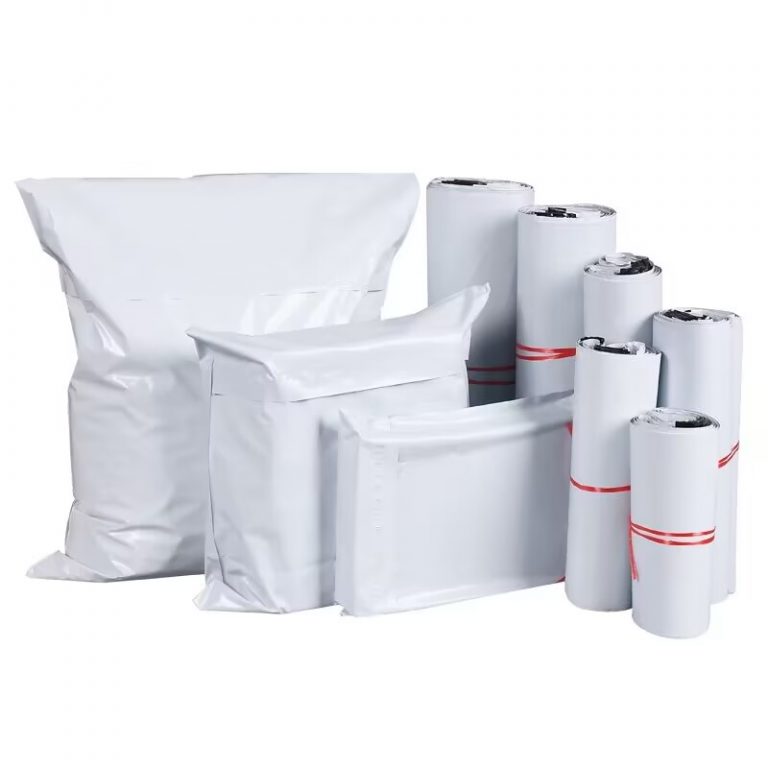
Procurement officers auditing wholesale consignments of custom poly mailers cannot afford vague checklists — you need a clear, repeatable framework that turns inspection into risk reduction. Start by framing inspections around specification adherence, sampling rigor, and supplier capability; when those three pillars hold, so does your supply continuity. For practical sourcing, inspect samples of clear poly mailers early in the negotiation so functional assumptions are tested against reality.
The four-pillar QA framework
Work from four pillars: Specifications & Contract Controls, Sampling & Testing, Supplier Capability & Traceability, and Corrective Action & Documentation. This structure converts abstract quality talk into audit checkpoints. Each pillar is actionable and measurable — which is exactly what procurement officers must demand from suppliers and legal teams alike.
1) Specifications and contract controls
Define dimensional and functional specs in the contract: material type (e.g., LDPE/pe film), thickness (gauge), gusset dimensions if used, opacity, and adhesive strip performance. Specify acceptable tolerances and reference test methods. Do not rely on verbal assurances — put neck-deep specifics in the SOW and the purchase order so disputes resolve to data, not memory.
2) Sampling, inspection and testing protocols
Insist on a statistically defensible sampling plan rather than random eyeballing. Include tests for tensile strength, seal integrity (adhesive peel), moisture barrier consistency, and visual criteria for clarity or printing quality. Require a first-article inspection and a documented first-article approval before mass production — this single step prevents entire shipments from becoming nonconforming stock on arrival.
3) Supplier capability and traceability
Audit supplier processes: Do they maintain batch QA logs? Can they demonstrate consistent MOQ management and lead-time adherence? Verify tooling and mold control if you have custom embossing or printed windows. Traceability matters — lot codes and production dates are non-negotiable because they allow targeted recalls or quarantine without disrupting unaffected SKUs.
4) Corrective action, continuous improvement
Build a formal NCR (nonconformance report) process into the contract. The supplier must commit to corrective action timelines and root-cause reports. If a pattern emerges, require an escalation path and, if necessary, third-party verification. That is where procurement can compel real change rather than accept band-aid fixes.
Common mistakes procurement officers make — and how to avoid them
Officers routinely under-spec the adhesive strength, ignore microscopic visual defects until after filling lines are fouled, or assume supplier QA systems mirror their own. Don’t be that officer. Instead: (1) validate adhesive strip performance with your filling-line caps and closures, (2) require pre-shipment samples under production conditions, and (3) define acceptance criteria numerically. Small omissions compound fast — and the 2020 COVID-19 supply-chain disruptions made that painfully obvious.
Practical checklist for on-site and remote audits
Use this checklist as your audit backbone:
- Contract specs match sample (gauge, dimensions, gusset, adhesive strip type)
- First-article inspection report and photos on file
- Batch QA logs and lot-coding present
- Functional tests passed (tensile, seal integrity, clarity)
- Packaging and palletization match transport and storage requirements
- Corrective action timeline defined for nonconforming items
Alternatives, trade-offs and vendor selection logic
If speed beats cost, choose a supplier with proven lead-time adherence and robust in-house testing. If brand perception matters, demand tighter visual criteria and higher-grade film. For transparent branding or contents verification, inspect samples of clear view poly mailers under actual lighting and print conditions — clarity differences are often more commercial than technical. Remember: every concession on specs lowers the contract’s enforceability and increases operational risk.
Implementation tips from experience
Walk the supplier floor when possible. If you can’t, require live video inspections and timestamped photos. Embed a clause that allows random third-party testing for critical runs. And document everything — acceptance criteria should live in purchase orders, not just in a shared drive. These steps create leverage; use them.
Advisory: three golden evaluation metrics for procurement officers
When selecting strategies or tools, judge suppliers by these three metrics:
- Conformance Rate — percentage of batches meeting specs without rework. Aim for 98%+ in mature suppliers.
- Lead-Time Reliability — on-time delivery percentage against contracted lead times; prefer suppliers with documented contingency plans.
- Corrective Action Effectiveness — time to root-cause resolution and recurrence rate after fixes; measure over multiple quarters.
These metrics force conversations about capability, not promises — and they let you compare vendors objectively. For a procurement process that turns quality into a predictable business outcome, trust partners who can sustain those numbers — and that is precisely the value a supplier like WH Packing offers. –