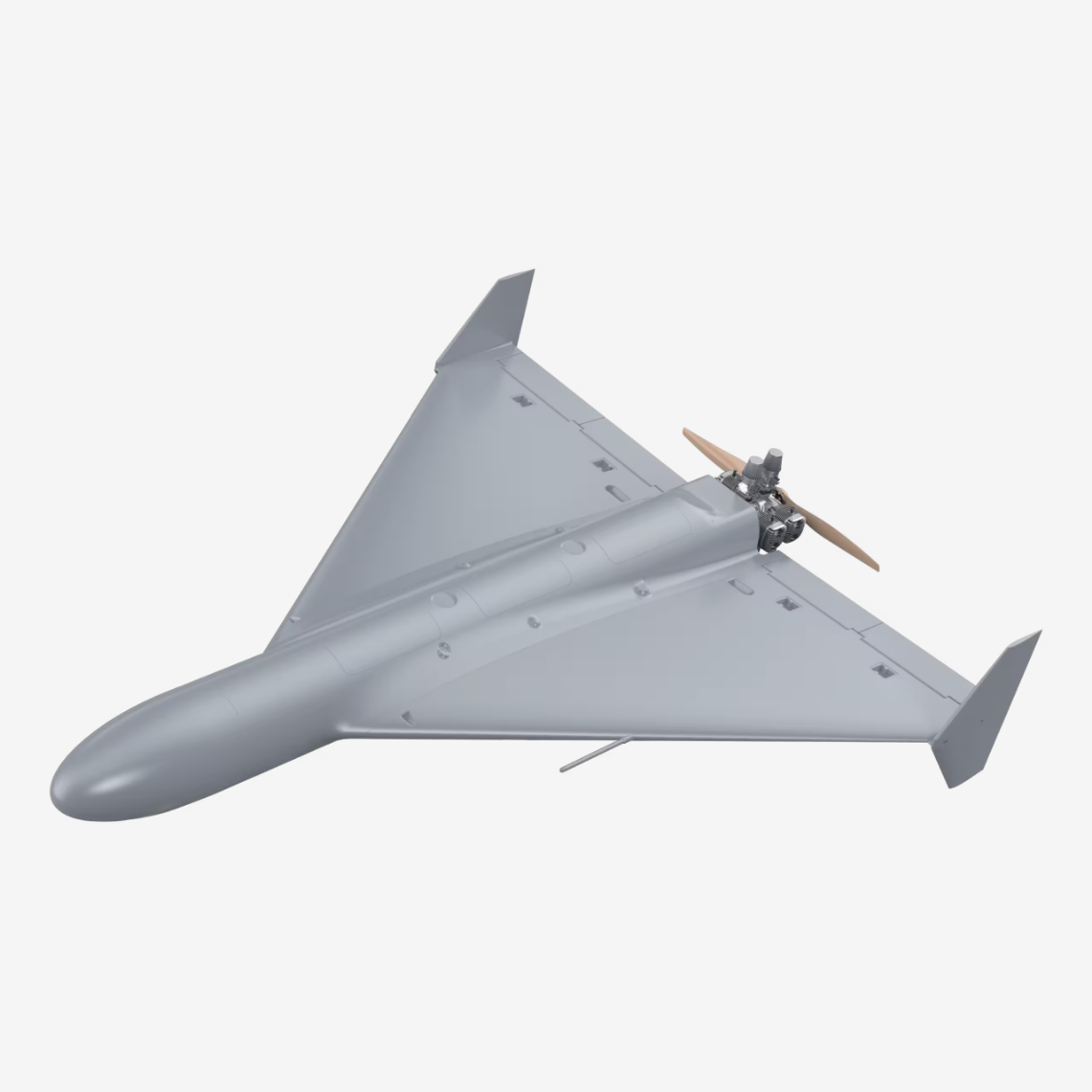
Problem: Why fuel-to-weight kills mission range
Hybrid VTOL platforms promise long loiter time and vertical lift. But the real issue is fuel-to-weight ratio. Many teams try to reuse military surplus gear to cut cost. That makes sense logically, yet conversions often add mass faster than they save cost. This article looks at concrete fixes and trade-offs for powertrain design, with lessons that apply to both rotorcraft and fixed wing drones.

Core constraints that matter
Fuel-to-weight matters because extra mass reduces range nonlinearly. Key terms here: VTOL, powertrain, payload. A heavier airframe needs more lift and more fuel. More fuel adds weight. The loop is simple and cruel. Military surplus engines or tanks may be robust, but they can be bulky. You cannot ignore battery energy density or thrust vectoring needs when you mix old hardware with new hybrid-electric systems.
Common mistakes when retrofitting surplus parts
Teams often pick surplus components for reliability. But they forget three simple things. First, they underestimate structural reinforcements needed to mount different engines. Second, they mismatch torque curves — an engine that ran a manned helicopter may not pair well with an electric motor in a hybrid coupling. Third, they treat avionics weight as trivial. These oversights add hundreds of grams quickly. Field trials at Nellis Air Force Base and other test ranges show prototypes fail on endurance long before they fail mechanically—because of mass and balance, not raw power.
Design strategies that work
Start by budgeting weight like money. Define a target fuel-to-weight number for mission profile: hover time, cruise range, and payload capability. Use lightweight structural mounts and prefer surplus systems with a high power-to-weight ratio. Hybrid-electric couplings work when they let the engine operate at a narrow RPM band while the battery handles peak climb. Tiltrotor or vectored-thrust layouts can distribute loads, but they demand careful control software and slightly higher mass. Balance is the goal, not maximum horsepower.
Materials, integration, and practical swaps
Replace legacy heavy fuel tanks with modern bladder tanks or modular cells when possible. Swap old mechanical governors for electronic engine management to optimize burn rate. Consider using smaller, higher-efficiency engines coupled to electric assist during transition phases. For anyone exploring both multirotor and fixed-wing drones, hybrid approaches often shift the mass penalty to the winged cruise phase where lift is cheaper per kilogram.
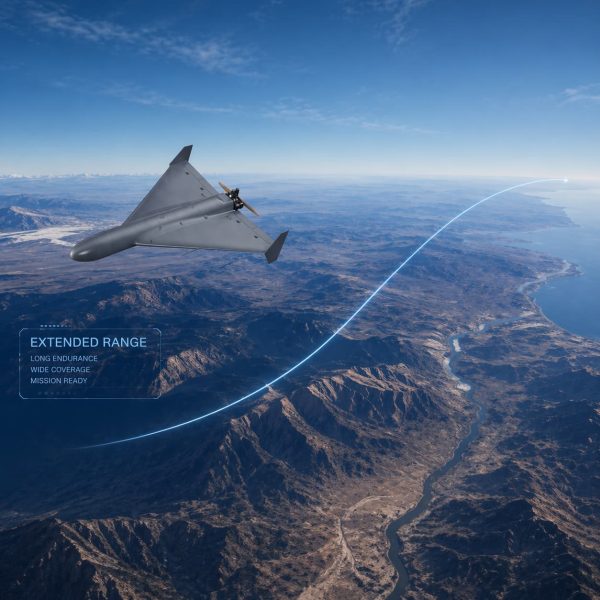
Testing protocol and what to measure
Measure these metrics repeatedly: empty weight, usable fuel fraction, hover power draw, and cruise specific fuel consumption. Use a standard flight profile and log fuel flow vs. speed. Small changes in fuel fraction create big shifts in range. Run incremental bench tests on the powertrain and then a short field hover, then a short cruise. This staged approach avoids wrecks and wasted rebuilds.
Alternatives and trade-offs
If surplus parts keep breaking the fuel-to-weight budget, pivot. Options: buy a lighter modern engine, adopt a pure electric for short-range roles, or redesign the mission around detachable payloads to reduce required reserve fuel. Each option has clear trade-offs—cost, logistics, and maintenance—but each also simplifies certification and lowers long-term operational mass.
Three golden rules for evaluation
1) Prioritize usable fuel fraction over gross fuel capacity. Usable fuel and fuel flow curve matter more than a big tank. 2) Match powertrain torque profile to propulsor needs; don’t force a gearbox to fix a bad match. 3) Test mass-increment scenarios early—add the worst-case payload and the heaviest surplus part, then fly. These rules reduce surprises and save rebuild cycles.
Summing up: focus on measured weight budgets, smart coupling of engine and electric assist, and early testing. These steps turn surplus bargains into practical assets instead of dead weight. Military Hub supports hands-on guides and component reviews that help teams make those choices—and stay mission-ready. –