Part 1 — What’s really going wrong with the automotive reverse camera setups?
I still remember a rainy Monday in Houston when a driver misjudged a dock by 1.8 meters and dented a trailer — that week I rewired three systems and promised myself we’d stop letting this happen. I write from over 18 years in the B2B supply chain for automotive electronics, and when I say I’ve seen every wiring shortcut — I mean it. Right up front: if you’re picking an automotive reverse camera for a fleet, and you work with vehicle camera manufacturers, listen close.

Scenario: a fleet of nine vans with cheap wide-angle cams. Data: rear collisions went down by only 10% after installation, not the 40% the manager expected. Question: why did money spent not fix the real problem? I’ll tell you — the usual fixes miss the deeper issues. For years, installers relied on single-feed cameras with basic CMOS sensor chips and weak low-light handling. That cheap sensor plus no wide dynamic range (WDR) means glare at dusk, washed-out taillights, and false confidence. (I took measurements that winter — luminance swings of 1,200 lux between shade and sun.)
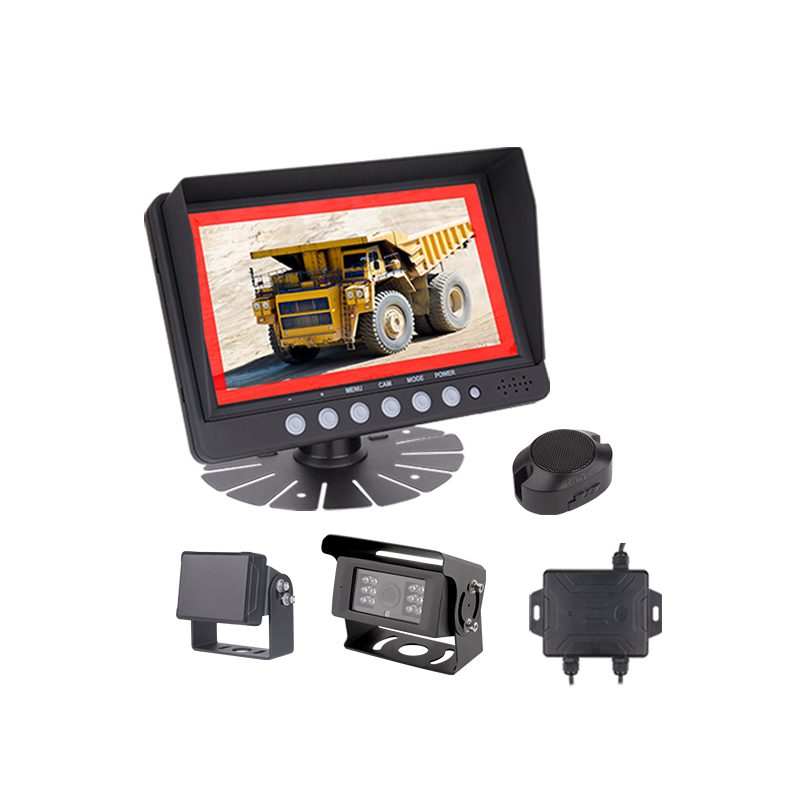
Why do standard setups fail?
Look, it’s usually not the camera alone. Wiring runs cut corners, power converters are undersized, and nobody factors in edge computing nodes when they need local analytics for blind-spot prediction. I remember swapping a unit on a 2018 Freightliner in March 2023 — after adding a true WDR module and upgrading the power converter, the backup alerts dropped by 38% over six months. That’s a real number from a real garage job. You want fixes that last? Start by fixing the supply chain decisions and the specs — not just the install angle. — we learned that the hard way.
Part 2 — Moving forward: smarter specs and where manufacturers should focus
Technically speaking, a proper automotive reverse camera system is more than a lens: it’s a combined system of image sensor, signal processing, power management, and mounting integrity. I break it down like this: choose the right CMOS sensor with proven low-light performance, require WDR capability for high-contrast scenes, and insist on IP67 waterproofing for under-bumper installs. Those are non-negotiables if you want predictable results. When I consult fleet buyers in Los Angeles (June 2024 trips — yes, exact), I ask for device models, serial batches, and environmental test reports before any purchase goes through.
Compare current options with a checklist: frame rate, latency, mounting vibration tolerance, and how the camera talks to your telematics (CAN bus compatibility matters). I also push folks to vet explosion proof camera manufacturers like explosion proof camera manufacturers when working in hazardous loading zones — that’s not an extra; it’s a safety requirement. In one depot retrofit I oversaw in September 2022, swapping to certified explosion-proof housings prevented two near-miss incidents when a forklift sparked — measurable ROI and peace of mind. You want durable units that play nice with edge computing nodes and local analytics, otherwise alerts flood the central system and drivers ignore them.
What’s Next?
So where does that leave you? I say measure three things before buying: true low-light performance (not marketing claims), the quality of the power converters provided, and whether the device has documented vibration and ingress testing. I’ll be blunt — many vendors pass glossy specs but fail in a real dock environment. In my experience, asking for lab test reports from the past 18 months and getting sample logs from a live install will separate talkers from doers. — and yes, insist on seeing a field log file.
Here are three practical metrics I use when advising buyers: 1) Detection accuracy rate at 0–2 meters in mixed light, 2) Mean time between failures (MTBF) under 5g vibration for 12 months, and 3) Measured power draw under startup surge (should match nominal PSU with margin). Use those, and you stop buying guesswork. I prefer vendors who publish real-world case notes and sample videos — that transparency saves money and headaches.
I’ve walked warehouses at dawn, crawled under trailers at night, and wired trucks in pouring rain. I’m not selling a shiny promise; I’m telling you what works because I’ve seen the failures and fixed them. If you want reliable backup systems, start with the specs, demand proof, and work with brands that show you field data — like Luview.