
Introduction
Have you ever wondered why two motors that look the same perform so differently on the shop floor? I see this all the time: a team buys motors based on spec sheets, yet performance varies wildly when they meet real loads. Electrical Motor Products show up in those spec sheets and in the field — but the data we collect (from sensors, logs, and controller feedback) often tells a different story. So how do we turn raw readings into smarter choices that actually match the job? Let’s walk through a clear scenario, look at the hard numbers, and ask the right questions before commitment.
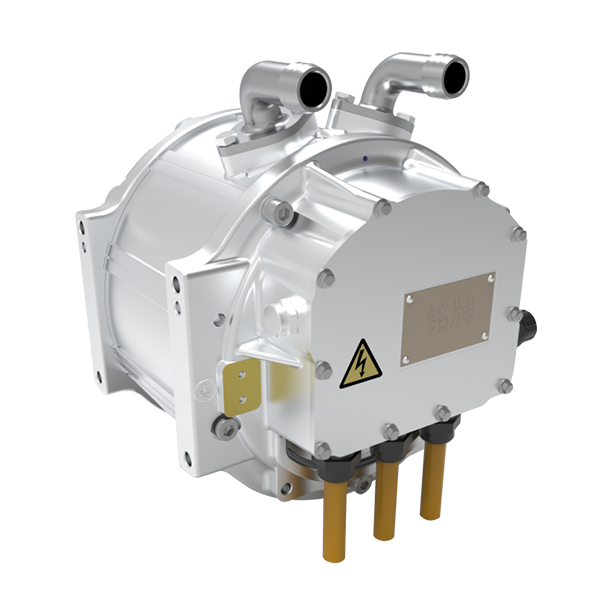
Where Traditional Electric Motor Solutions Fall Short
Why specs don’t tell the whole story?
I’ll be frank: many teams still pick electric motor solutions by checking peak power and running current. On paper that seems fine, but in practice you hit problems like overheating, unstable torque, and poor efficiency under variable load. From my experience, the real gaps are in dynamics — how the system responds to sudden load changes, and how the drive handles real-world electrical noise. Terms like inverter, PWM, and encoder show up in reports, yet the integration of those parts often gets treated as an afterthought. Look, it’s simpler than you think: a controller mismatch or a weak feedback loop can erase any advantage a high-grade motor promises.
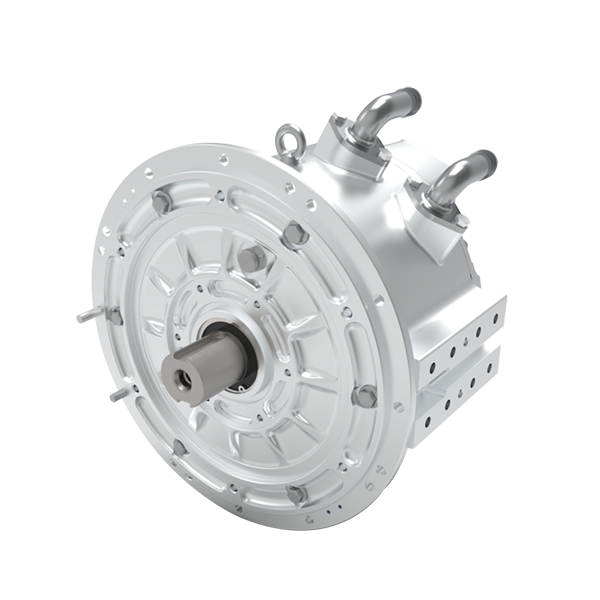
Let me add some detail. Field-oriented control (FOC) and torque ripple are not just buzzwords; they shape service life and energy use. When a manufacturer lists efficiency, they usually mean steady-state efficiency at a specific RPM. But machines rarely run there. I’ve seen systems where prolonged low-speed operation caused thermal drift in bearings and controllers. That’s a user pain point: maintenance spikes you didn’t budget for. Also — and yes, this will sound basic — sensor placement and cable routing change feedback quality. You can have great hardware; poor system design ruins it. I’m talking about fault flags that never triggered in lab tests but appear monthly in the real world. We need to move from static specs to how the motor behaves with the full drive chain under realistic duty cycles.
Looking Ahead: Principles and Practical Metrics for Choice
What’s Next — new ways to compare and decide?
Moving forward, I prefer to compare solutions using practical test metrics and scenario-based models. Instead of just listing torque and current, run duty-cycle simulations and record transient responses. Modern work emphasizes data from edge computing nodes, real-time logging, and power converters to see how systems behave under start-stop, stall, or peak loads. For instance, pairing an optimized control algorithm with a resilient inverter reduces torque ripple and improves efficiency across a broader speed range. In short: test in context. — funny how that works, right?
When choosing an ac motor and controller, I recommend three clear evaluation metrics you can use right away: thermal headroom under worst-case duty cycle, closed-loop response time (ms), and energy per work unit (Wh per kg moved or Wh per meter). These are measurable, comparable, and directly tied to operating cost and uptime. I often run a short benchmark sheet with those fields before procurement — it saves time and headaches later. Also consider maintainability: is the controller firmware accessible? Can the encoder be calibrated without special tools? These practical touches separate good buys from costly regrets.
Closing Advice: How I Decide and What You Should Measure
Here’s how I wrap up my decision process: first, quantify how the motor will be used over a month — duty cycles, peak loads, environmental factors. Second, demand test data that matches those conditions. Third, score candidates on the three metrics above (thermal headroom, response time, and energy per task). I’m not saying this guarantees perfection, but it shifts choices from guessing to measurable comparison. — and yes, it matters when you’re running dozens of units.
In my view, a practical, data-focused approach beats glossy brochures every time. I’ve helped teams reduce downtime and cut energy use just by insisting on better real-world tests and clearer feedback loops. If you want a partner with components and test data that match this method, check out Santroll.
