
Introduction: A lab moment, a number, a question
I remember stepping into the animal room at 7:30 a.m., coffee cooling, and finding a line of cages waiting for a single anesthetic setup. The small animal anesthesia machine sat underused in the corner while technicians shuffled between tasks — we lost nearly an hour that day just on setup and recovery times. Recent internal audits in small labs often show similar patterns: up to 20–30% of procedural time is overhead rather than active data collection. So how do we make those minutes matter more — and keep the mice, the protocol, and the data safe? (I ask this as someone who has rebuilt workflows from the bench up.) Let’s walk through what’s really happening and what comes next.

Part 2 — Why the old way trips us up: flaws in traditional setups
mouse anesthesia machine systems were designed to be robust, but older approaches assume a level of homogeneity most labs don’t have. Technically, many teams still rely on separate flowmeters, manual vaporizers, and makeshift scavenging systems that need constant adjustment. That combination works — until it doesn’t. I’ve seen a single inconsistent flowmeter skew induction times across a batch, and suddenly your recovery window is unpredictable. In practical terms, that means more animal handling, more stress responses, and noisy data.
What’s really failing?
Look, it’s simpler than you think — the core problems are predictable: complex interfaces, gaps in monitoring (no continuous end-tidal CO2), and poor ergonomics that force staff to juggle multiple gauges and tubing lines. A traditional reservoir bag and manual vaporizer demand constant attention; they were not designed for back-to-back procedures. In addition, many scavenging systems were added as afterthoughts, not integrated features. The result is human fatigue and greater risk for dosing errors. We all want reliable induction and stable maintenance — but legacy designs make consistency an uphill battle.
Part 3 — Moving forward: principles for smarter anesthesia in mouse work
Building on those failings, the next step is to adopt principles that focus on integration, simple monitoring, and predictable control. Modern designs emphasize compact ventilators, integrated vaporizers, and clear, digital flow control so staff spend less time guessing and more time collecting meaningful data. When I evaluate a solution, I look for modular components that are easy to swap and a clear user interface that reduces training time. The mouse anesthesia machine model I’ve tested brings these ideas together — digital flow control, a built-in scavenging path, and simple connectors that cut setup time. It doesn’t remove the need for good technique, but it lowers the mechanical friction that steals minutes and morale.
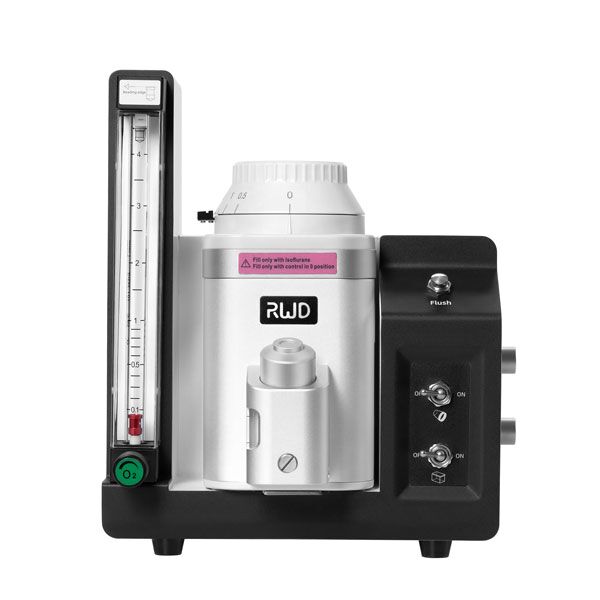
What’s Next: practical tech principles
In practice, adopt these principles: unify monitoring (end-tidal CO2 and pulse oximetry where possible), prefer compact ventilators over manual squeeze-bags, and choose systems that give clear feedback on oxygen concentration. Also, consider the supporting gear — oxygen concentrators and stabilized power converters reduce variable supply issues. We’ve slowly applied these shifts in our lab and noticed fewer aborted runs, less animal stress, and cleaner datasets — funny how that works, right? If you weigh options, here are three practical metrics I use to decide:
1) Setup-to-first-data time: how quickly can you go from unpacked to recording? 2) Monitoring completeness: does the system support continuous end-tidal CO2 and basic pulse oximetry? 3) User friction score: how many manual adjustments are needed per procedure? I recommend scoring candidates on these axes before buying. In the end, small choices compound into better science and kinder handling — and I’d point you to research-grade vendors like BPLabLine when you’re ready to move from improvisation to a predictable, humane workflow.
