
Introduction — An Old Hand Wonders
I was fixing a tiller one foggy morning and thought about how the world spins on tiny coils and magnets. The electric motor sat quiet beside me while I sipped my tea; electric motor technology has come a long way, I told myself. Boats, scooters, even your garage door—they all hum with the same physics: torque, current, RPM. A survey I read not long ago put efficiency gains at roughly 10–20% over five years for common drive systems (yes, those numbers stick with you). So I asked aloud: why do so many of these systems still feel clunky to use? I have a few theories from long hands-on days and nights—things you don’t see in glossy spec sheets. The next section peels one layer back, where the real user frictions live. Read on and I’ll point out the bits that actually matter to people like us: installers, owners, and tinkerers alike.
Hidden Pain Points in Everyday Electric Motors
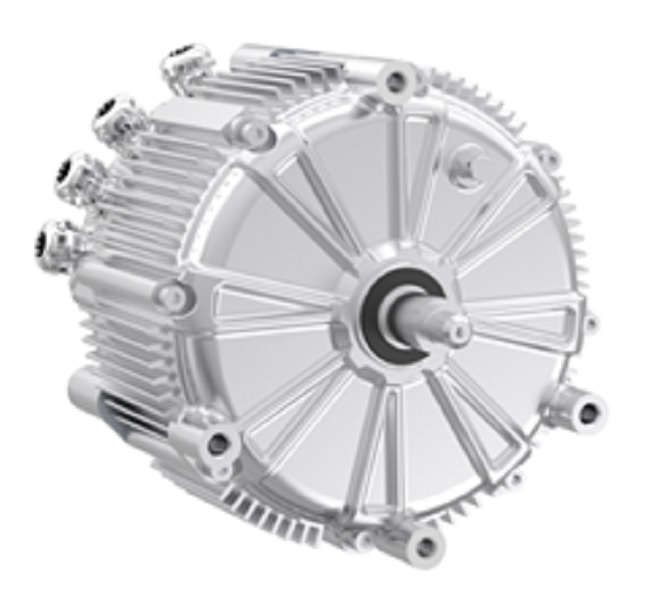
electric motors are sold by specs, but lived with as problems. Let me be blunt: many designs ignore the human side. I’ve installed so many units that suddenly won’t start in cold weather, where condensate fools the encoder and the brushless drive won’t sync. That sort of thing makes a day long. The technical side—stator heating, inverter harmonics, poor cooling paths—shows up as real pain. Look, it’s simpler than you think: users care about reliability first, and a tidy control interface second. We can list standards and thermal curves until the cows come home, but the customer just wants a motor that starts when the key turns. So manufacturers who chase peak efficiency while skimping on ruggedness create more warranty calls than value.
Why aren’t specs enough?
Because data sheets hide edge cases. When salt spray, voltage dips, or sudden loads hit, a system with no tolerance for noise fails. I’ve patched drives with better filters, swapped out weak encoders for sealed types, and added modest heat sinks to cut failure rates. Terms you’ll hear often in that work: inverter, encoder, power converter. These aren’t buzzwords to me—they are the tools that either save a system or doom it. I’ve learned to favor simple, well-tested choices over flashy new components when the goal is long life and low hassle.
Looking Ahead: Electric Boat Motors and What Matters Next
What’s Next?
When I think forward, I see electric boat motors moving from niche toys to dependable fleet components. The shift will hinge on two things: smarter control algorithms and better system-level design. I expect improved motor controllers that talk to battery management systems and on-board sensors. That means less guesswork when you’re on a rough night and more autonomy for the system to protect itself. I’ve watched prototypes where torque limiting and adaptive cooling cut failures in half—real results, not marketing fluff. — funny how that works, right?
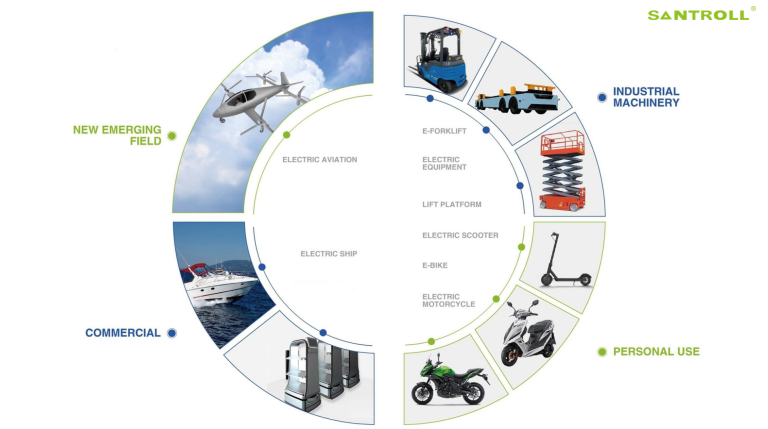
Let me be practical: this future should deliver measurable improvements. Lower total cost of ownership. Fewer unexpected stops. Smoother starts. I envision retrofit kits that let older hulls benefit from modern torque control and reduced noise. And yes, the link is obvious—if you’re shopping, check models designed with sealed bearings, proper thermal paths, and a decent inverter. For marine work, the right integration between motor and controller matters more than raw power. In practice, I would evaluate systems on three quick metrics: efficiency under load, mean time between failures (MTBF), and ease of service. Pick units that score well on those, and you’ll save time and money—trust me, I’ve been there. Explore reliable options, and you’ll see why I keep returning to tested designs like those from Santroll.
