
Introduction — a quick scene, some numbers, and the question I ask most
I was once called into a factory on a Monday because a brand-new line coughed, stalled, and refused to feed a single wipe properly — classic. In that plant, the wet wipe machinery sat shiny and idle, while management watched lost OEE numbers tick down (they were bleeding 12% uptime that month). The scenario is familiar: orders piling up, a big investment parked in a corner, and an engineer staring at a PLC while wondering where it all went wrong. So I ask: are we buying machines, or buying headaches?
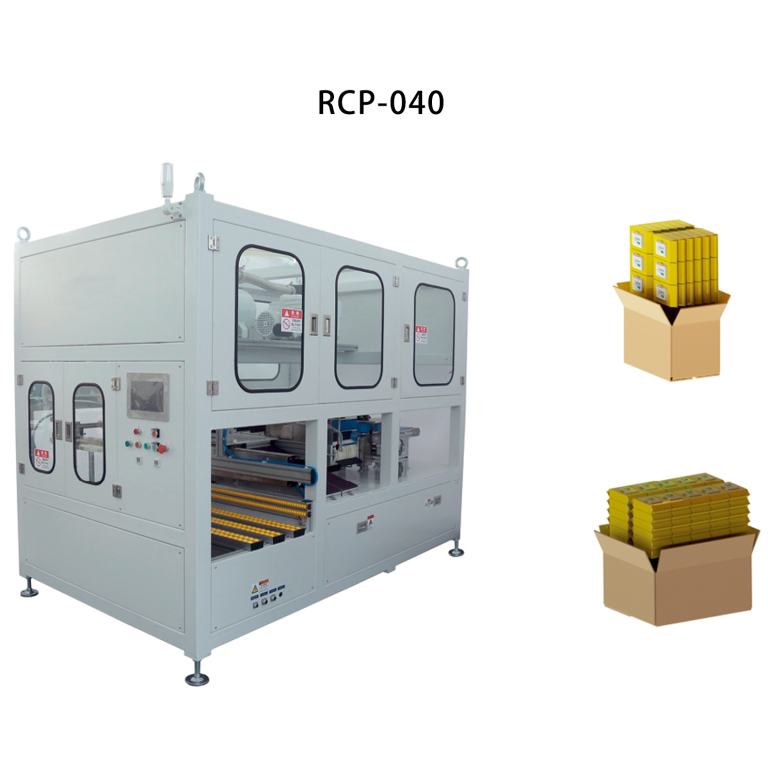
I’ve seen the same pattern in small runs and big plants. Parts like servo motors and web tension systems are spec’d in the grand plan — but integration gets sloppy. We assume a slitter will play nicely with a wet wipe folder. Spoiler: it often doesn’t. (I’ll admit I’m blunt about it — I prefer fixing things early.) In the paragraphs ahead, I’ll walk you through the real stumbles I see, the technical reasons behind them, and what to check before you sign off on a custom wet wipe production line.
Let’s move on and look under the hood — there’s more than one way a project can trip up.
Part 2 — Why the usual fixes miss the mark (technical diagnosis)
What’s the real snag?
When someone tells me they “upgraded” the line, I ask specifics. Too often the answer is vague: better motors, a new controller, a promise of faster changeovers. But the core issue usually lies in mismatched subsystems. I’ll say it straight: a custom wet wipe production line is only as good as the harmony between web handling, dosing pumps, and the control logic. If you bolt on a high-speed slitter without tuning web tension, you just created a shop-floor circus. Look, it’s simpler than you think — tension errors show up as wrinkles, misfeeds, or glue bleed.
Let me get into specifics. First, web tension control: you can spec a top-tier dancer roll and tension sensor, but without tight loop control in the PLC the feedback loop lags and the result is inconsistent cuts. Second, dosing and solution distribution: uneven lotion spread usually traces back to pump pulsation or worn nozzles, not the wipe substrate. Third, human–machine interface: operators need clear alarms and pass/fail prompts. If the HMI buries the error logs two menus deep, you lose minutes — which become hours. I’ve fixed lines by re-mapping alarms alone; small changes, big gains. And yes — servo motors, encoders, and power converters can all be fine but misaligned in timing. — funny how that works, right?
Part 3 — Where to from here: practical principles for smarter lines
What’s Next
Forward thinking is about system principles, not just parts lists. I recommend focusing on modular control, predictive maintenance, and clearer changeover recipes. A modular approach means each station — unwinder, saturator, folder, slitter, and stacker — has defined I/O and a clear handoff. That way, if the folder needs a slower dwell to match a new lotion viscosity, we change the setting instead of rebuilding the whole line. I’ve overseen retrofits where adding edge computing nodes for local analytics cut troubleshooting time in half. And yes, integrating simple sensors to watch web tension and pump pressure pays dividends.
For a future-ready setup, consider these technology principles: closed-loop web tension with redundant encoders, vibration-tolerant servo tuning, and a central SCADA that collects runtime metrics for trend analysis. When you buy a custom wet wipe production line, ask how the vendor plans to handle recipe versioning, remote diagnostics, and spare-part kits. I’ve seen lines where a single misplaced connector caused a week’s downtime — and where a spare kit would’ve saved the week. — and no, I’m not exaggerating. Below I’ll give you three straight metrics to weigh before you commit.
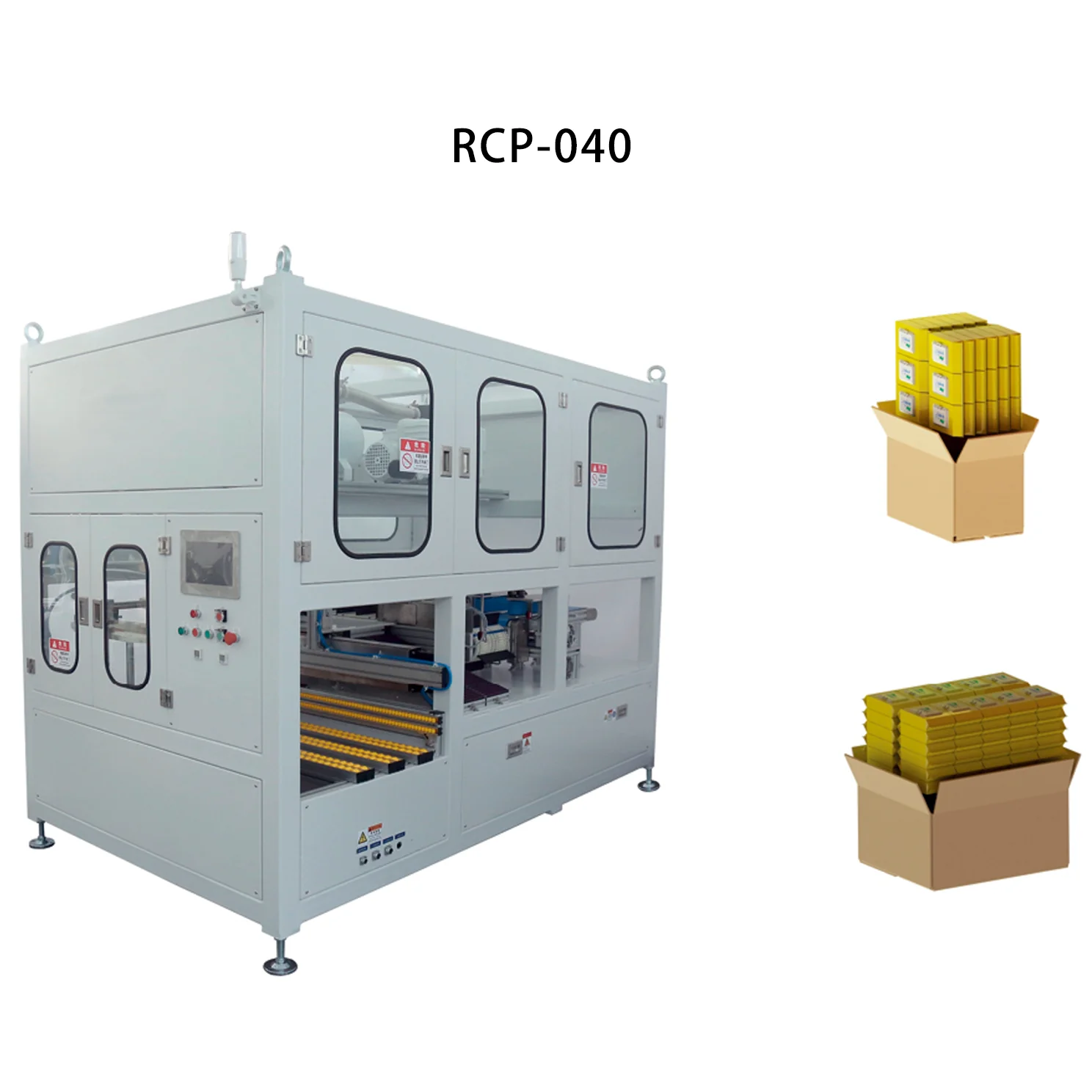
Evaluation metrics (my shortlist): 1) Mean Time To Repair (MTTR) for critical subsystems — shorter is better. 2) Recipe portability — how fast can you switch product profiles without manual rewiring? 3) Data accessibility — does the system expose logs and KPIs in real time? Use these to compare vendors, not glossy brochures. In closing, I want to be clear: I believe practical choices beat trendy buzzwords. If you keep these checks in your pocket, you’ll cut startup headaches and get to steady production faster. For help, check the team at ZLINK; they know the field and, like me, prefer machines that actually run.
