
Introduction — a short scene, a stat, a question
I was on a job site last month and watched a mechanic switch tools mid-shift because one sparked — fast lesson learned: small sparks cost time and trust. Many non sparking tools manufacturers are trying to solve this, yet industry reports show up to 30% of downtime in certain plants ties back to tool-related incidents (yes, that many). So what really stops sparks and keeps crews safe — better design, stricter specs, or something else? Let’s walk through the real weak spots and what I think actually matters next.
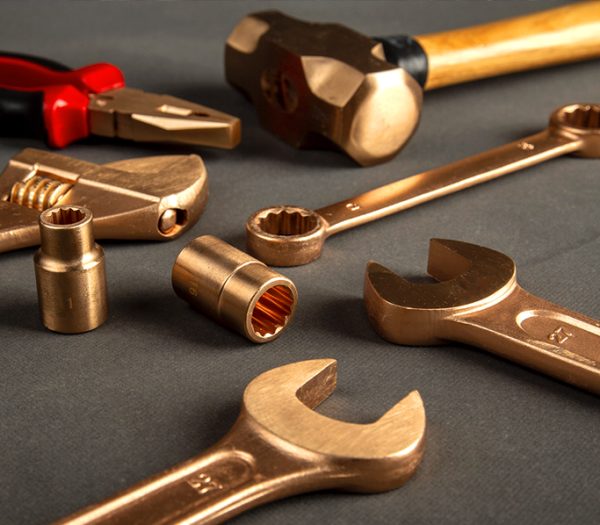
Why old fixes fail: a technical look at traditional solution flaws
This is where I get blunt: a lot of standard fixes miss core risks. The market talks about rugged casings and static seals, but they often ignore how devices behave in real hazardous area classifications. For example, many teams buy from explosion proof tools suppliers because the label sounds safe — yet on-site conditions (humidity, dust, vibration) change the math. I’ve tested kits that passed bench tests but failed when grounding straps came loose after a week. That kind of failure mode isn’t sexy, but it’s common.
So what’s the technical snag?
First, lab certification (ATEX, IECEx) checks a snapshot. Real work is continuous. Second, spark arrestors and intrinsically safe designs are often treated as add-ons, not as integrated systems. Third, maintenance cycles don’t match expected service life — people assume a sealed handle stays sealed. Look, it’s simpler than you think: you need design that tolerates wear, clear maintenance steps, and parts you can actually replace in the field. — funny how that works, right? I’ll show examples next.
Looking forward — case outlook and practical metrics
I want to move from critique to action. Over the next five years I expect better digital tracking tied to tools — basic edge computing nodes on tool tags, simple sensors that log impact and environment, and smarter power converters that shut down before a hot spot forms. That’s not sci-fi. A few pilot projects already link vibration data to preventive swaps; when vibration spikes, teams swap tools before failure. We’ll see more of that, and I think suppliers who back up tools with data will win trust fast.

What’s next for buyers?
Here are three practical metrics I use when I evaluate options — they help cut through branding and buzz: 1) Field durability score: do parts survive real shifts (not just lab cycles)? 2) Serviceability index: can crews swap wear items in minutes? 3) Data readiness: does the tool provide basic fault signals (temp, impact) you can read without a PhD? Apply these. Measure them. Compare vendors side-by-side. — this will save money and save people.
I don’t want to sound like a vendor, so I’ll be honest: no single fix is perfect. But if manufacturers and buyers push for replaceable wear parts, clear maintenance checks, and basic sensor feedback, we cut failures a lot. For those hunting real partners, consider how a supplier supports usage over time — not just the first sale. For more concrete options, check suppliers like non sparking tools suppliers and judge them by those three metrics. In short, choose tools that tell you when they’re tired. I’ve seen the difference — and it matters. Doright
