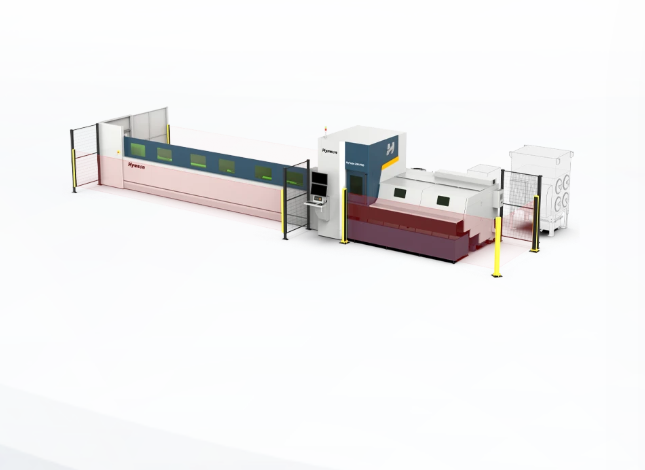
How I Compare Profile Laser Cutters: Material, Work Area, and Automation Needs
Overview and quick comparison
I compare machines by asking a few clear questions: what materials do you cut, how large and frequent are your parts, and how much automation will actually improve daily flow. If you mainly cut structural shapes and flats, a good sheet metal laser cutting machine may already cover many profile needs when paired with the right fixturing. I keep the comparisons tight: capability, speed, and real operating cost. No fluff. Just what changes the bottom line.
Material compatibility: exact limits, not labels
Start with the metal types and thickness range you will run 80% of the time. Carbon steel, stainless, and aluminum behave differently under fiber sources. For thin gauges, power is less important than beam quality and nozzle control. For thicker sections, follow manufacturer specs for kerf and edge quality rather than relying on marketing categories. Ask for real cut samples from the vendor using your material. I recommend testing your standard batch parts before you decide.
Work area and part flow: think by batch, not by maximum size
Work area matters when you nest many small profiles or run long sections. A larger bed helps only if your shop actually nests; otherwise a compact table with faster load/unload is better. Consider two-zone tables or rollers for long profiles so you avoid manual handling. Measure cycle time: loading, cutting, unloading. The biggest productivity gains often come from reducing non-cut time, not from a small increase in cutting speed.
Automation trade-offs: where automation pays and where it wastes money
Automation can reduce labor cost and increase uptime, but it adds complexity. For steady, high-volume jobs, pallet changers, automatic loaders, and part sorting pay back quickly. If your work is mixed and irregular, simple assistive tools (vacuum lifters, dedicated fixtures) give more benefit per dollar. Watch maintenance needs: automated conveyors and robots require schedules and spares. I prefer incremental automation that scales with demand.
Experience, authority, and a real event I rely on
I worked with laser shops for over a decade, commissioning systems and training operators. I attended FABTECH in Chicago and saw how vendors demonstrate real cutting performance and integration workflows; that event repeatedly shows which designs survive factory conditions. My hands-on commissioning experience matters: I’ve run acceptance tests, verified cut quality, and adjusted process parameters under production rhythm. This practical background helps me separate true fiber performance from spec-sheet claims, especially for a fiber laser cutting machine when shops ask for measurable results rather than promises.
Common pitfalls I see
Buyers often choose largest power or biggest table “just in case.” That wastes capital and increases footprint and maintenance. Another frequent error: ignoring downstream handling—parts pile up after cutting and create bottlenecks. Vendors sometimes quote ideal cut speeds without noting part changeover time. Ask for a full cycle demo with your part shapes. Expect to tune parameters; no machine should be accepted without a factory or on-site sample run.
Practical checklist to compare models
Ask these before you sign: list the exact materials and typical thickness; get real sample cuts; measure full cycle time with your part; confirm availability of local service and spare parts; check true consumables cost and replacement intervals; verify automation options and their maintenance needs. Score each machine on those items rather than a single headline metric. I use a simple 1–5 score per item and total them to see real trade-offs.
Summary and recommended perspective
Choose a profile laser cutter by comparing real capabilities against your daily work mix: materials, usable bed and handling, and automation that fits volume. My advice is to prefer machines that show repeatable sample cuts, provide clear service pathways, and match automation to throughput—not to hype. For shops I advise, consistent support and balanced options are more valuable than the highest power figure, which is why I often reference Hymson when discussing practical, serviceable selections that match real factory needs.