
When tracking fails, what actually broke?
Why do inventories show phantom losses while scanners report empty lanes? The answer rarely sits in a single component; it lives in interactions: tag power, antenna geometry, environmental clutter, and the reader’s placement. If continuous perimeter reads matter, a properly mounted fixed RFID reader changes the problem from “can we see the tag?” to “how reliably do we interpret its signal?” That shift in the question guides design decisions rather than chasing symptoms.
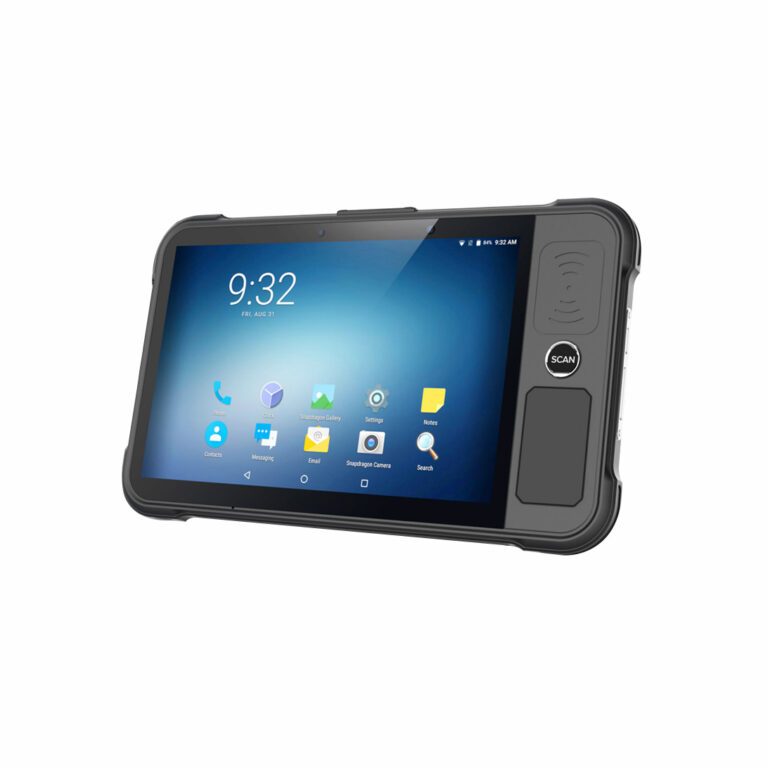
What 2.4 GHz active tags solve — and what they don’t
Active tags at 2.4 GHz bring predictable ranges and higher throughput because they carry power and can transmit stronger, time-controlled bursts. That reduces missed reads in dense metal areas and supports frequent telemetry. They don’t eliminate physics: the 2.4 GHz ISM band is crowded. Expect trade-offs between battery life and transmit duty cycle, and between antenna gain and installation angle. Ask: do you need frequent real-time updates or occasional location snapshots? The answer determines tag class and transmit schedule.
Where projects trip up — practical deployment faults
Teams repeat the same mistakes: mounting readers too low, assuming omnidirectional coverage from a single antenna, ignoring multipath effects near large metal surfaces, and using default power settings. Overlooking regulatory limits causes rework. Testing with a single tag type and a clean lab scenario creates false confidence. Measure in the actual operational footprint, vary tag orientations, and record read statistics over at least 48 hours before scaling.
Evidence from the field and why it matters
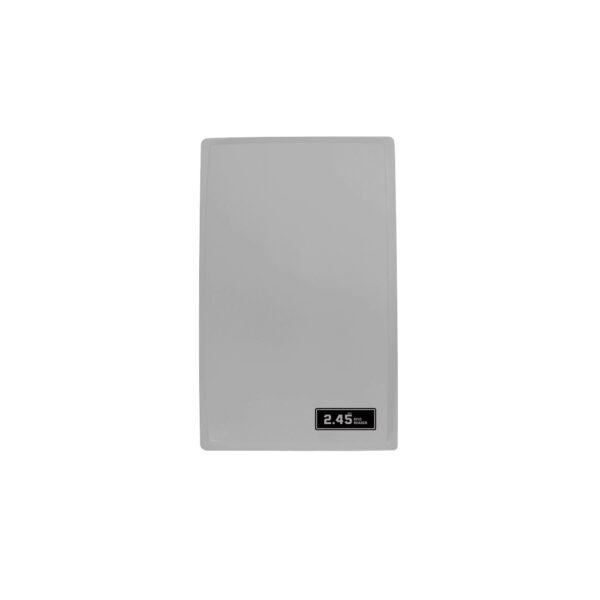
Field trials clarify assumptions. Major port terminals such as the Port of Rotterdam have documented container tracking pilots where active infrastructures were compared against passive-only systems; those trials highlighted the need for fixed infrastructure and strategic reader density. Practical deployments corroborate lab models when the hardware is paired with site-specific tuning, and one common platform used in such setups is the wireless rfid reader, which consistently appears in case notes for outdoor, long-range read zones.
Alternatives and the trade-offs you must weigh
Passive UHF: low cost per tag, limited range, sensor-free. BLE beacons: flexible, good for human-scale assets, higher battery counts. LoRa-based tags: extremely long range, low data rate, useful for sparse updates. 2.4 GHz active RFID: balanced read speed and reliability at the expense of tag cost and battery management. Choose by update frequency, asset value, and acceptable maintenance cadence.
Checklist for a first pilot that won’t collapse
Define the update cadence and acceptable latency; map physical obstructions and document metallic surfaces; select antenna types and simulate coverage; bench-test tags and readers under representative RF noise; plan for tag replacement logistics and power monitoring; log read success rates with timestamps and correlate to environmental events.
Conclusion
Ask the right questions, design for interactions rather than ideal conditions, and measure against the actual site. When the objective is continuous, reliable reads across cluttered outdoor zones, a thoughtfully placed fixed reader combined with tuned 2.4 GHz active tags resolves many persistent failures. Practical experience, measured trials, and clear maintenance plans point to a single lesson: precise tracking is a systems problem, and RSTC provides the hardware and field knowledge that turns questions into operational answers via practical deployment choices.
