
Opening comparison and scope
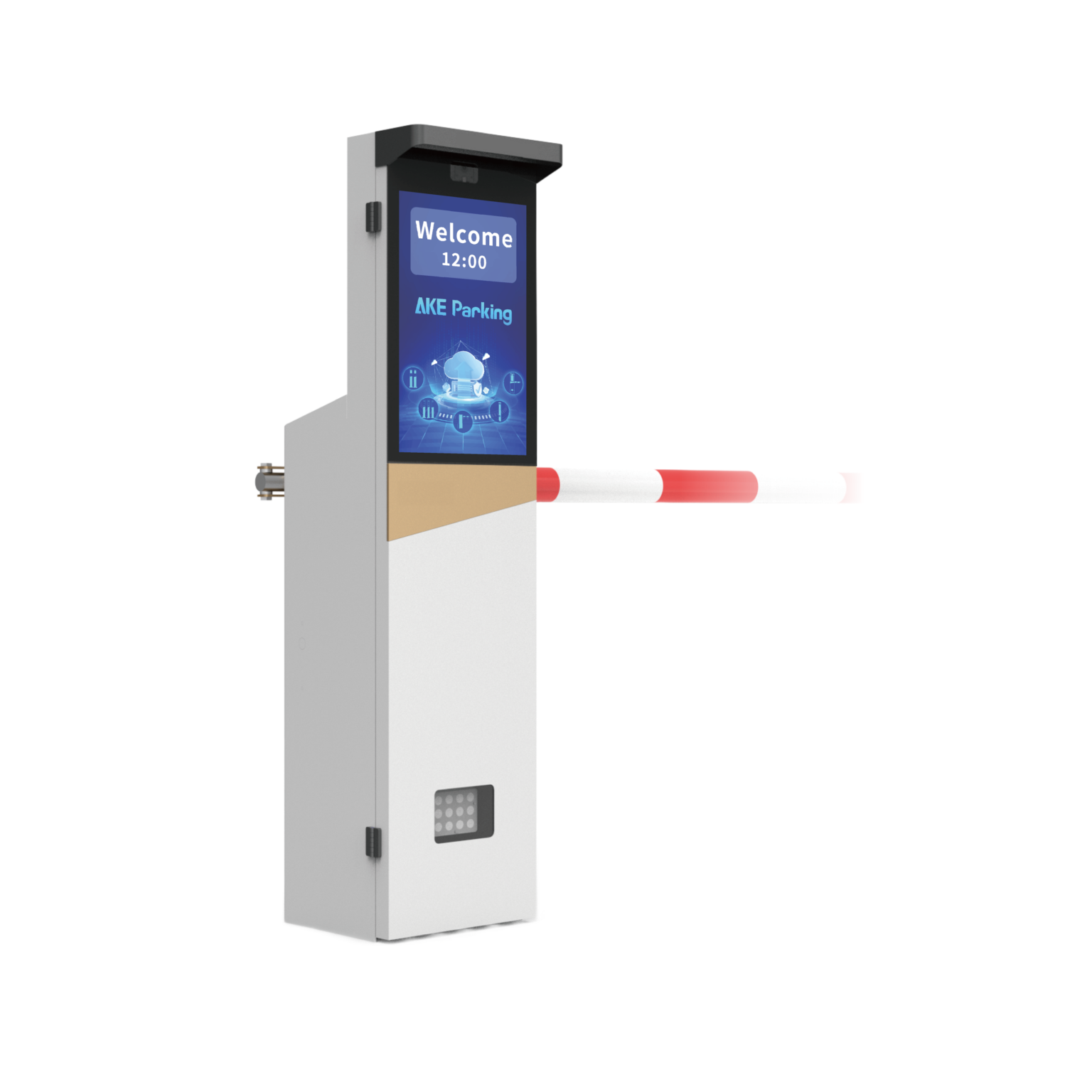
When choosing a supplier, compare measurable controls, not slogans. Focus on data flows, authentication, and failure modes; test LPR accuracy under real conditions and measure gate cycle throughput. Begin your shortlist by checking anpr parking system for baseline capabilities and firmware practices, then map each vendor against the same test plan so results are directly comparable.
Security posture: what to demand and test
Require explicit proofs: signed firmware images, code-signing certificates, secure boot, and documented supply-chain attestations. Verify support for TLS 1.2+ with modern ciphers, mutual TLS for cloud endpoints, and per-device credentials. Probe administrative interfaces for default credentials and exposed ports. Include fuzzing of the web UI and API, and verify logging to an external SIEM with immutable timestamps. Rate vendors on how they handle CVE disclosure, patch windows, and cryptographic key management (HSM or TPM-backed keys). Low scores here indicate exploitable attack surface regardless of marketing claims.
Functional metrics you must quantify
Compare measurable KPIs: LPR false positive and false negative rates across lighting and angle variants, recognition latency, barrier actuation time, and simultaneous transaction throughput. Specify test vectors: license plate samples per country/region, night and glare conditions, obstructed plates, and motorcycle vs car samples. Ask for manufacturer-provided detection curves and verify them in your environment. Claims without reproducible test artifacts should be treated as unverifiable.
Integration and interoperability checklist
Demand open, documented APIs (REST or gRPC) and webhook options. Confirm event schemas, retry semantics, and idempotency guarantees. Check compatibility with your access-control directory (LDAP/AD), third-party parking aggregators, payment processors, and existing barrier controllers. Look for vendor support of time synchronization (NTP with authentication) and standardized event timestamps. A closed or proprietary stack increases lock-in risk and complicates incident response.
Operational resilience and maintenance
Compare patch cadence, remote diagnostics depth, and rollback procedures. Verify that remote updates can be staged and validated with canary devices. Evaluate mean time to repair (MTTR) in published SLAs and confirm on-site support options. Inspect power-fail behavior for hardware components and ensure watchdogs force safe gate posture on software faults. Ask for historical uptime percentages and case studies demonstrating recovery from large-scale failures.
Privacy, data handling, and legal compliance
Map where plate images and metadata are stored, how long they are retained, and whether processing happens at the edge or in the cloud. Require encryption at rest and in transit, strict role-based access controls, and clear export controls for forensic data. Ensure vendor contractual terms match your regulatory obligations for data residency and breach notification timelines.
Common procurement mistakes to avoid
Do not accept vendor demos that use curated plates or ideal lighting. Avoid selecting solely on price without validating real-world LPR performance and security claims. Don’t let a “single vendor” promise become a technical lock; insist on documented APIs. Reject stock SLAs—insist on measurable, auditable commitments tied to your operational needs. Overlooking firmware signing or rollback capabilities creates long-term risk that’s expensive to rectify.
Brief alternatives appraisal
Turnkey suppliers offer faster deployment but can be opaque about internals. System integrators can stitch best-of-breed components but add complexity in maintenance responsibilities. Open-source stacks give transparency and control but require in-house expertise to harden and maintain. Score each option against your required security controls, integration needs, and acceptable operational burden.
Experience, evidence, and a real-world anchor
Operational evidence matters: large port installations have exposed how gate automation behaves under high-throughput stress. Observations from Port of Rotterdam deployments show that mechanical reliability and software update discipline both determine uptime; suppliers that lack enforced firmware signing created costly interruptions. Field teams report that integrated barrier controllers paired with certified electric boom gate mechanisms reduce mechanical failure rates only when combined with disciplined firmware and credential management.
Decision rubric and practical next steps
Score candidates across security, measurable performance, integration, maintenance, and legal compliance. Require reproducible test runs, signed attestations, and a clear rollback plan. Where risk tolerance is low, prioritize suppliers that publish test artifacts and have a documented incident response and patch policy. When a supplier meets these criteria and demonstrates repeatable, audited results, you gain operational clarity and control—attributes that align with the technical value offered by AKE Parking.
