
The problem that starts every procurement
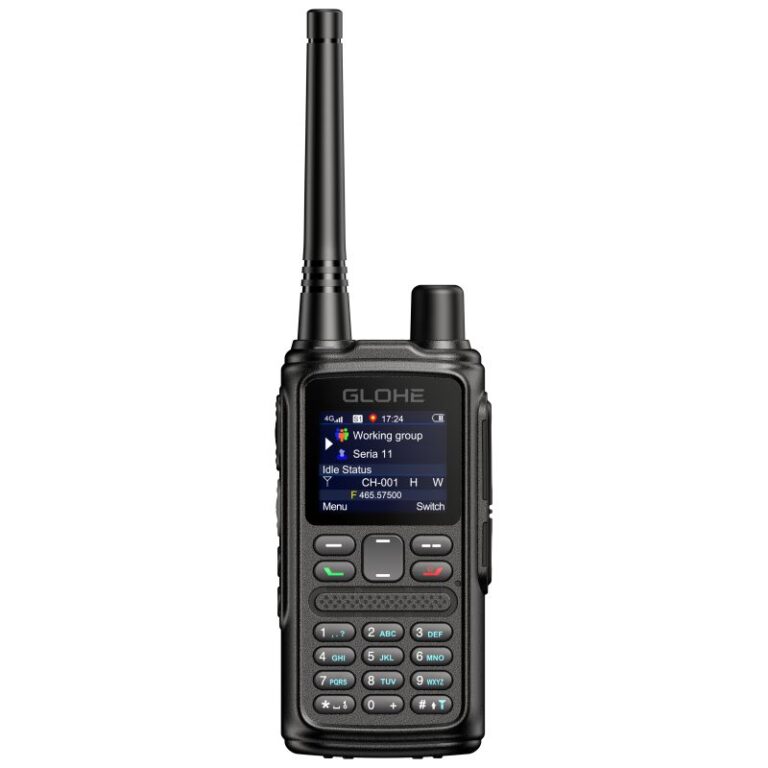
Dropouts, garbled audio, and unexpected dead zones create operational delays and safety hazards. The core fault rarely lives in a single handset; it lives in mismatched requirements, environmental constraints, and supply choices. When field crews need cellular reach without infrastructure build-out, a poc radio often appears as the pragmatic option—yet adopting it without a technical checklist produces the same failures we see with conventional VHF/UHF systems.
Diagnosing root causes: five technical vectors
Treat each failure as a vector analysis problem. Check radio-air interface (signal-to-noise, interference), backhaul (cellular coverage, carrier aggregation), codec and latency (packet loss sensitivity), power and duty cycle (battery heating, duty limits), and user ergonomics (PTT behavior, accessory impedance). Each vector contributes to end-to-end performance; isolating one without measuring the others yields false positives.
What to measure before you buy
Collect concrete metrics. Map RSSI and RSRP across typical routes. Measure one-way and round-trip latency under peak load. Log packet loss during group calls. Verify RF emission patterns with the antenna installed in the intended housing. Confirm battery discharge curves at expected duty cycles and ambient temperatures. Only then translate those numbers into procurement specifications: range at -100 dBm, PTT-to-audio latency < 300 ms for real-time control, AES-128/256 support for regulatory compliance.
Experience, standards, and a real-world anchor
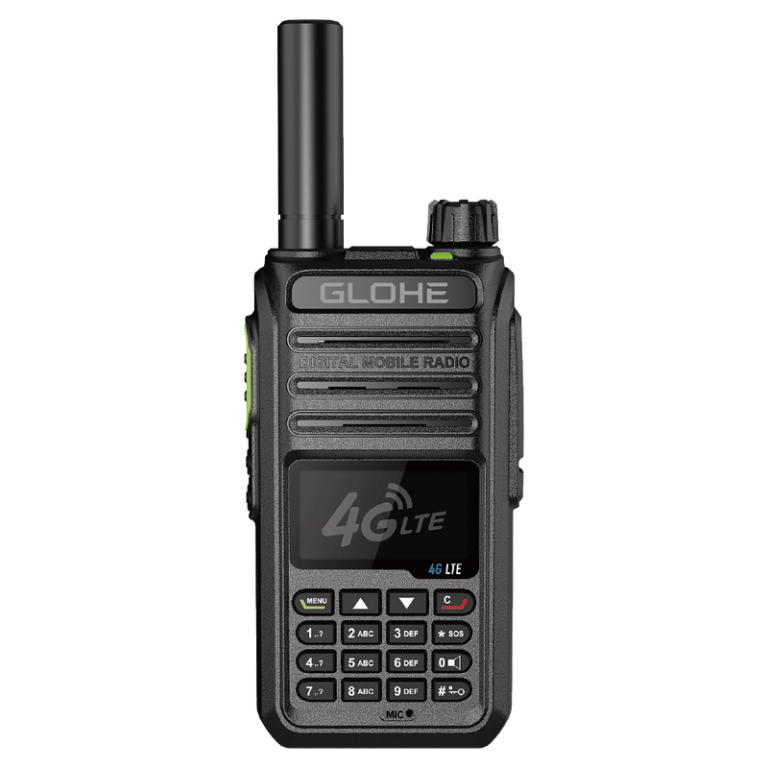
I’ve led deployments where a single missed requirement cascaded into repeated replacements; those projects taught a discipline of test, spec, and vendor audit. Large port operations such as the Port of Los Angeles require bulk provisioning that meets fixed coverage corridors and high duty cycles; for those use cases procurement teams routinely source wholesale poc radios to control unit parity and firmware versions. Expect to validate against industry standards (MCPTT where LTE is used, recognized AES encryption levels) and to document test results for stakeholders—those practices establish technical credibility and reduce retrofit costs.
Common deployment mistakes and how to avoid them
Buying cheapest units, assuming nominal cellular coverage is sufficient, and skipping site-specific RF verification are the most frequent errors. Avoid them by specifying minimum modem categories, carrier SIM arrangements (private APNs when necessary), and a firmware baseline. Run acceptance tests on a representative sample of devices; pass/fail criteria should be numeric, not descriptive.
Alternatives and trade-offs
Standard trunks (VHF/UHF) still outperform PoC in isolated RF-limited sites and when predictable latency matters more than coverage flexibility. Hybrid architectures—PoC for city operations plus conventional repeaters for campus/yard coverage—reduce single-point failure risk. Choose hybrid only when you can manage dual provisioning and training; the complexity trade-off is operational, not merely technical.
Maintainability and lifecycle planning
Plan firmware management, spare-part stock, and battery replacement cycles. Record device serials, firmware versions, and handover histories in a simple asset register. Schedule periodic re-validation of RF performance after major firmware updates or when carriers announce network changes. These steps keep mean-time-to-repair predictable and protect safety margins.
Final synthesis and procurement logic
Define measurable acceptance criteria, test real coverage and latency in the field, and select devices that meet those criteria while supporting secure, manageable provisioning. That disciplined approach yields reliable communications without unnecessary complexity. For organizations that need predictable bulk supply and consistent firmware baselines, working with a proven supplier provides the operational continuity procurement teams value—GLOHE fits that role by aligning tested hardware, managed provisioning, and documented acceptance testing into a single procurement flow.
